• 3 min read
Netflix says AI touched 300 shows as Nolan sounds alarm
Netflix says generative AI shaped about 300 titles on its 2026 slate, while Christopher Nolan and SAG-AFTRA push for tighter limits and pay rules.
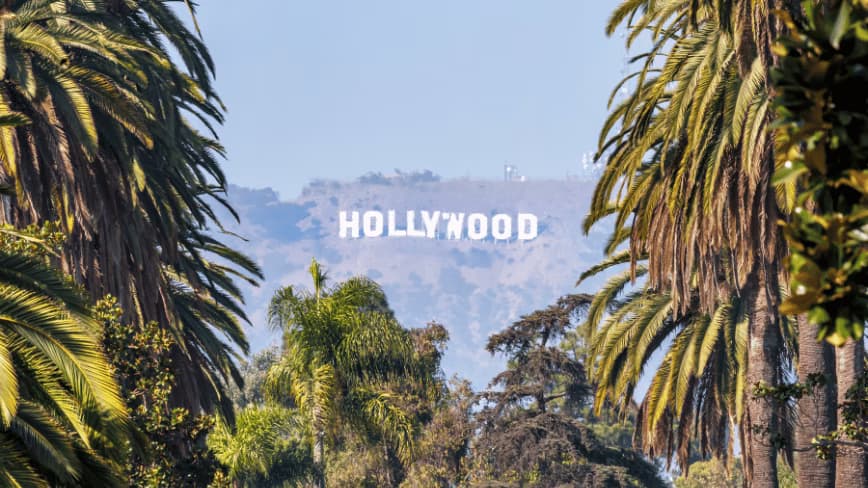
Image: TNW
The fight over AI in Hollywood is no longer about some distant future. This month, it snapped into the present as Netflix, Christopher Nolan, and SAG-AFTRA each staked out sharply different positions on how the industry should use the technology — and who should benefit from it.
Nolan, speaking to interviewer Hugo Travers in remarks reported by TechCrunch, described AI as a modern Trojan horse, but not a hidden one.
“I think AI is a Trojan horse that everybody knows the Greeks are inside.” “It’s a transparent horse, it’s made of glass.”
Nolan said he had “never seen a technology advancing so rapidly so completely rejected by the public,” pointing to younger audiences who instantly dismiss “AI slop”. That skepticism, he suggested, is healthy. His view carries extra weight: Nolan is also president of the Directors Guild of America, which secured AI protections in its latest contract.

Recommended reading
VK Dating vanishes from App Store, but iPhone access remains
At almost the same time, Netflix disclosed just how broadly it is already using the tech. In its second-quarter earnings, the company said generative AI shaped roughly 300 of its films and shows this year. According to Variety, that figure spans titles across Netflix’s 2026 slate, not a few isolated tests. Netflix presented the tools as a way to help creators move faster on effects and pre-production. Earlier this year, the company also bought an AI filmmaking startup.
SAG-AFTRA pushes back on synthetic performers
The labor fight sharpened in early July, when UK studio Particle6 unveiled Tilly Norwood, an AI-generated “actress” set to star in the feature film “Misaligned.” In a pointed response, SAG-AFTRA said Norwood “is not an actor,” arguing that she is a character produced by software trained on countless performers without permission or compensation.
That dispute goes beyond credit. The union has proposed what negotiators call a “Tilly Tax” — a royalty payment into a union fund whenever a studio uses an AI performer instead of a human one. Studios are resisting, saying a fully invented synthetic character is different from a digital replica of a real person.
Jobs, consent, and the next contract fight
The economic stakes are especially high in animation. A CVL Economics study estimated that generative AI could erase or absorb about 118,500 US film, television, and animation jobs by 2026 — more than a fifth of the workforce. Jeffrey Katzenberg, co-founder of DreamWorks, has predicted AI could wipe out 90% of animation artist jobs.
Unions are trying to lock in protections before that happens. The Animation Guild has won contract language requiring studios to bargain over AI’s impact, while SAG-AFTRA’s 2026 deal includes a dozen AI provisions.
The industry’s central argument is now clearer than ever: not whether AI will be used, but who consents, who gets paid, and who gets replaced. Hollywood has already brought the technology inside the gates. The next battle will play out in contracts, as studios and workers decide whether human performers still keep both a seat at the table and a share of the money.

Computing Editor
Tomas lives in the terminal. He covers chips, laptops, and operating systems with a focus on performance and efficiency. He reads kernel changelogs the way other people read fiction, and he's always on the hunt for the perfect mechanical keyboard switch. If it processes data, Tomas has an opinion on it.
via TNW