• 2 min read
Old laptop chips are back — and harder to spot
PCWorld says laptop makers are selling systems with years-old CPUs under new names, making it harder to judge value and easy to overpay.
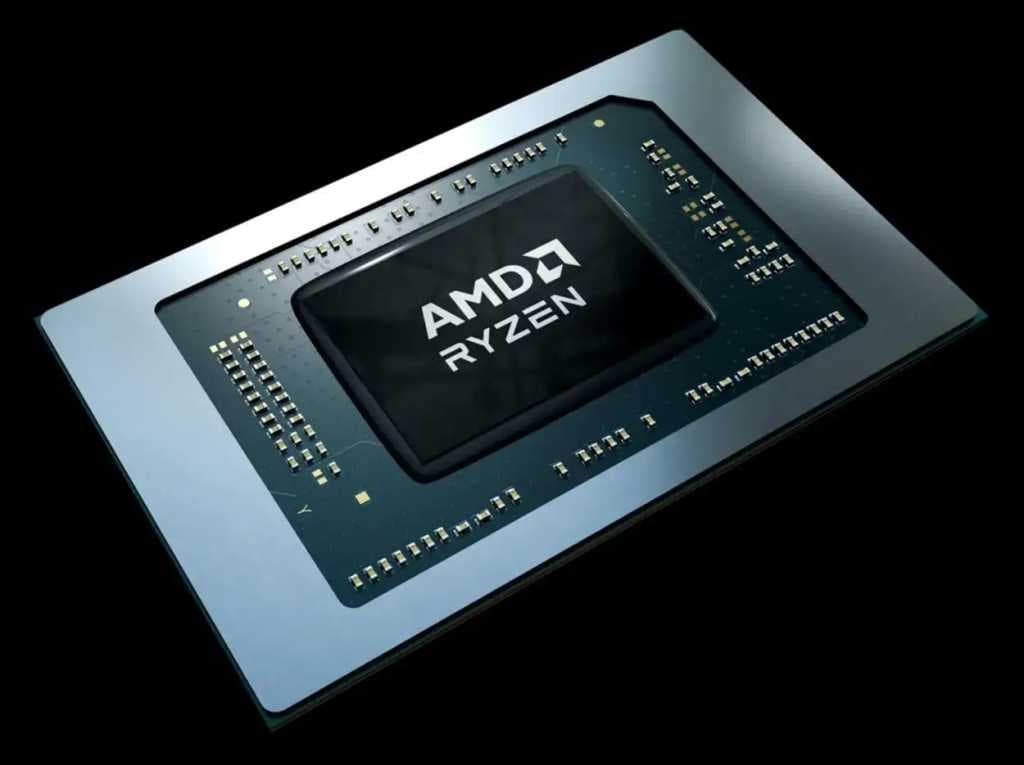
Image: PCWorld
Laptop buyers are running into a naming problem: new systems increasingly ship with old processor designs that are marketed like fresh silicon. According to PCWorld, the issue is not that older chips are unusable, but that vendors make them difficult to identify while still charging premium prices.
PCWorld points most of the criticism at AMD. The publication says AMD’s Ryzen 8000 mobile processors, launched in December 2023, were already “architecturally aligned” with the Ryzen 7000 chips introduced 12 months earlier. Then, in early 2025, AMD renamed those chips as the Ryzen 200 lineup.
The example PCWorld gives is the Ryzen 5 7640HS, launched on April 30, 2023, and the Ryzen 9 270: both use the same Zen 4 architecture. In 2026, AMD then introduced seven more “new” Ryzen 200 parts, from the Ryzen 3 205 to the Ryzen 7 253, again based on Zen 4, an architecture AMD launched in January 2023. PCWorld also cites a TweakTown report that AMD added four new Ryzen 100 chips using Zen 3+ “Rembrandt” designs dating back to 2022.
Intel, PCWorld argues, is somewhat clearer about the practice. Its lineup includes chips labeled “Raptor Lake Refresh” and “Arrow Lake Refresh,” explicitly signaling updated versions of older hardware rather than entirely new designs.
Recommended reading
RTX 50 GPUs lead Russia’s custom PC orders at M.Video
Pricing and buyer confusion
The naming issue matters because it affects what people pay. PCWorld says it found Lenovo ThinkPads with a Ryzen 250 selling for $900 to $1,000. That compares poorly, in its view, with machines such as the $600 Dell XPS 13 and Apple MacBook Neo, which it says use more modern chip designs despite lower prices.
PCWorld also takes aim at marketing around on-device AI features. Lenovo, it says, promotes “AI experiences” and NPUs on these laptops, but the capability cited is just 16 TOPS.
“Increasingly, the processor name does the opposite: It conceals, rather than clarifies.”
The broader complaint is simple: laptop hardware keeps improving in visible ways, from lighter designs to sharper 1200p displays, but the processor name — the spec most buyers rely on to judge age and value — is becoming less useful.

Computing Editor
Tomas lives in the terminal. He covers chips, laptops, and operating systems with a focus on performance and efficiency. He reads kernel changelogs the way other people read fiction, and he's always on the hunt for the perfect mechanical keyboard switch. If it processes data, Tomas has an opinion on it.
via PCWorld