• 2 min read
OnePlus to move active devices to ColorOS 17
OnePlus says active phones and tablets will be able to switch to ColorOS 17 voluntarily, marking a broader move away from OxygenOS.
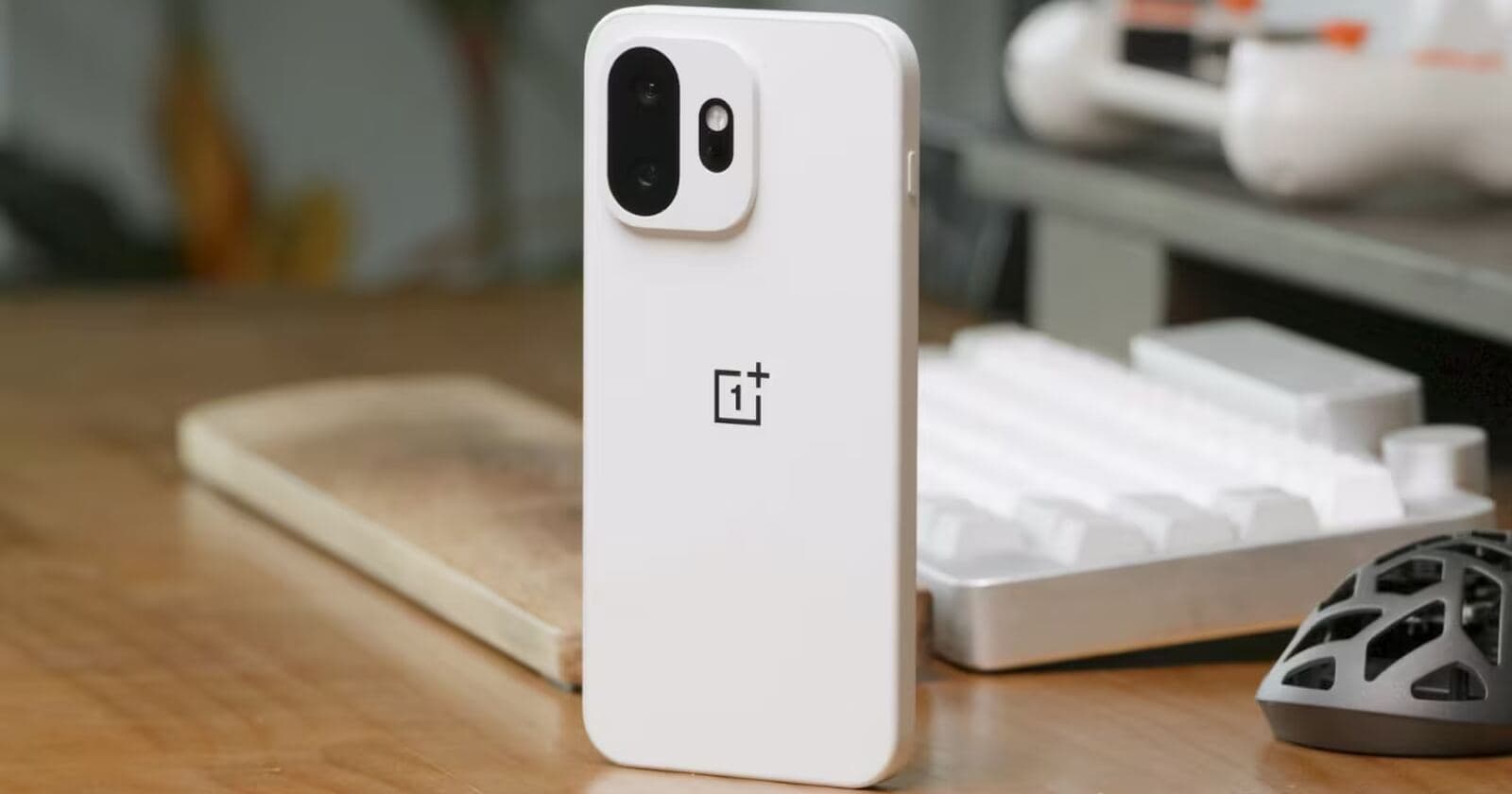
Image: ITzine
OnePlus has begun rolling out a new software plan for its devices: after ColorOS 17 launches, the brand’s active smartphones and tablets will be able to move to the new interface. In effect, the company is stepping away from OxygenOS globally and consolidating updates onto a single platform.
OnePlus did not publish a separate compatibility list. Instead, it said the update will be optional, so the device list has been pieced together from the company’s current update policy across each product line. As with Samsung and Google, support is typically tied to promised update windows rather than a single headline announcement.
According to OnePlus, the platform change is meant to simplify development, speed up updates, and make better use of engineering resources. That matters because the main bottleneck for Android devices is often not the announcement of new software, but how quickly patches and major releases actually arrive.

Recommended reading
iOS 27 Siri Crushes Old Siri in CarPlay Test
Devices expected to get ColorOS 17
The official list covers three groups: flagships, midrange models, and tablets. These are active devices still within their support window, which suggests older models will not make the transition.
Flagships:
- OnePlus Open
- OnePlus 15
- OnePlus 15R
- OnePlus 13
- OnePlus 13R
- OnePlus 13s
- OnePlus 13T
- OnePlus 12
- OnePlus 12R
- OnePlus 11
Midrange models:
- OnePlus N6
- OnePlus Nord 6
- OnePlus Nord CE 6
- OnePlus Nord CE 6 Lite
- OnePlus Nord 5
- OnePlus Nord CE 5
- OnePlus Nord 4
Tablets:
- OnePlus Pad 4
- OnePlus Pad 3
- OnePlus Pad 2
- OnePlus Pad Lite
- OnePlus Pad Go 2
One platform across OnePlus and Oppo
The move looks like the latest step in the long-running convergence between OnePlus and Oppo, which already share engineering resources and a common technology base. While OxygenOS formally remained a separate skin for years, the differences between it and ColorOS have narrowed steadily.
There is a practical and commercial case for merging the software stack. Maintaining multiple interfaces inside one ecosystem is expensive, while rivals are raising the bar: Samsung promises long support cycles for flagships and parts of the midrange, Google emphasizes fast Android version delivery, and Chinese brands increasingly sell not just hardware but the length of its software life.
For OnePlus, the shift is also a test of whether a unified platform can improve update speed without sacrificing stability. If that happens, the move to ColorOS 17 may pass with little friction. If it does not, comparisons with the old OxygenOS are likely to linger.

Gadgets Editor
Eli is obsessed with the tangible future. He reviews phones, wearables, and everything with a battery. Known for his rigorous testing protocols and unabashed teardowns, Eli has broken more review units than he cares to admit, all in the name of discovering the truth about durability and repairability.
via ITzine