• 3 min read
OnePlus Drops OxygenOS With Android 17 Shift
OnePlus will move compatible phones to ColorOS 17 with Android 17, ending OxygenOS outside China while promising rollback support.
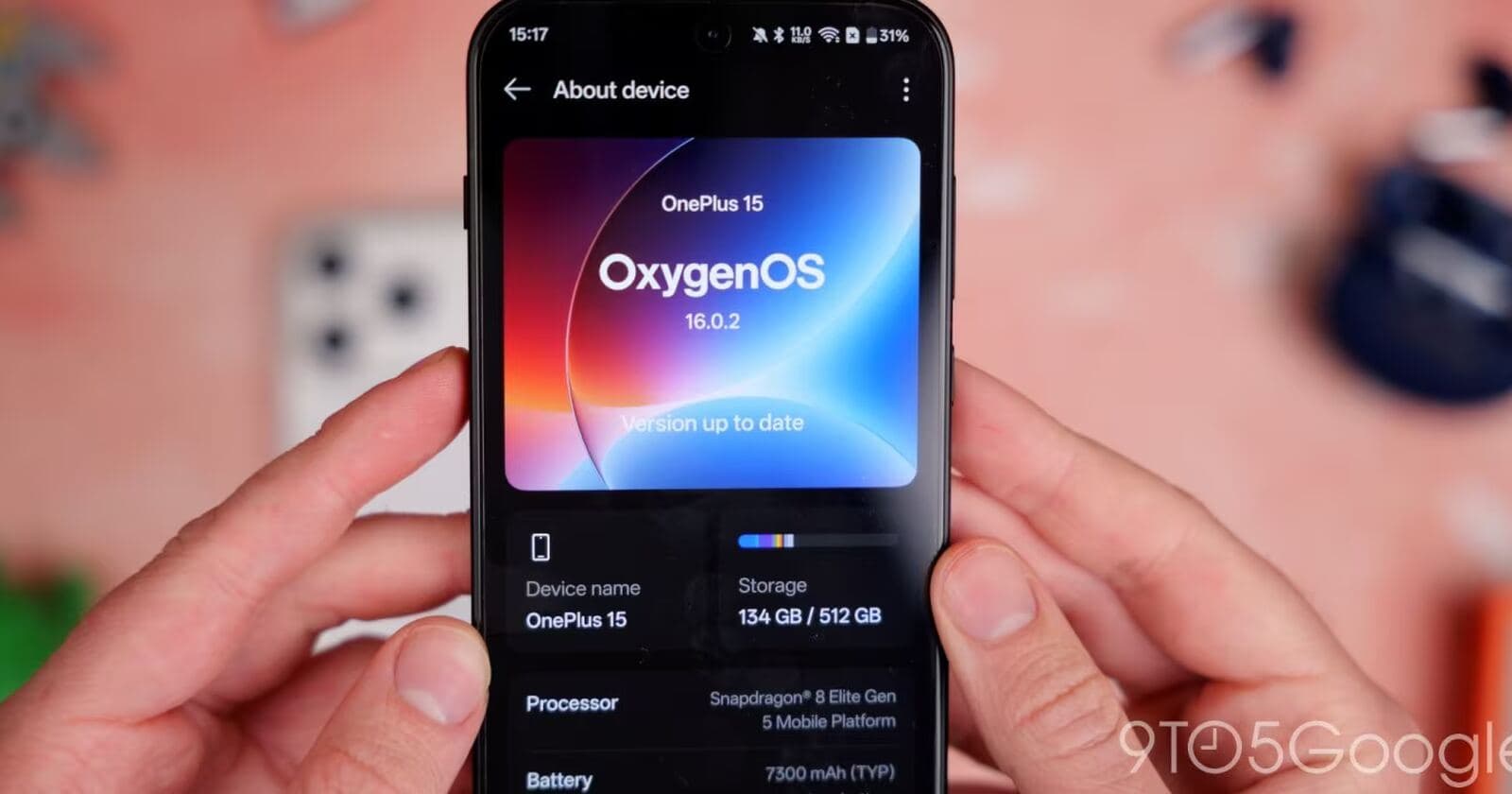
Image: ITzine
OnePlus is ending OxygenOS outside China. After Android 17 arrives, compatible phones will begin moving to ColorOS 17, the Oppo interface that has long shipped on Chinese OnePlus devices.
The company is framing the change as an optional update for existing phones, but for new devices ColorOS will become the main platform with full support. That applies not just to markets OnePlus is already pulling back from, including Europe and the US, but also to other regions such as India.
OnePlus says the move will make it easier to ship updates faster, refine the software, and avoid maintaining two nearly identical systems in parallel. For current owners, the rule is simple: if a device is still scheduled to receive Android 17, users will be able to install ColorOS. If not, OnePlus says it will keep supporting OxygenOS as before. The company also says users who switch will be allowed to roll back to OxygenOS.
What changed between OxygenOS and ColorOS
The shift is less abrupt than it may sound. OxygenOS has been converging with ColorOS for years across interface design, settings, system apps, and update logic. The remaining differences were mostly local tweaks, background process handling, and small visual changes for global markets.
OxygenOS was once central to the OnePlus brand. A clean, fast, relatively lightweight take on Android helped the company grow from a so-called flagship killer into a recognizable premium player. The turn began after OnePlus and Oppo moved closer together. While both brands had long been part of BBK, they started integrating development more deeply in 2021 and tried to build OxygenOS and ColorOS on a shared code base.
Recommended reading
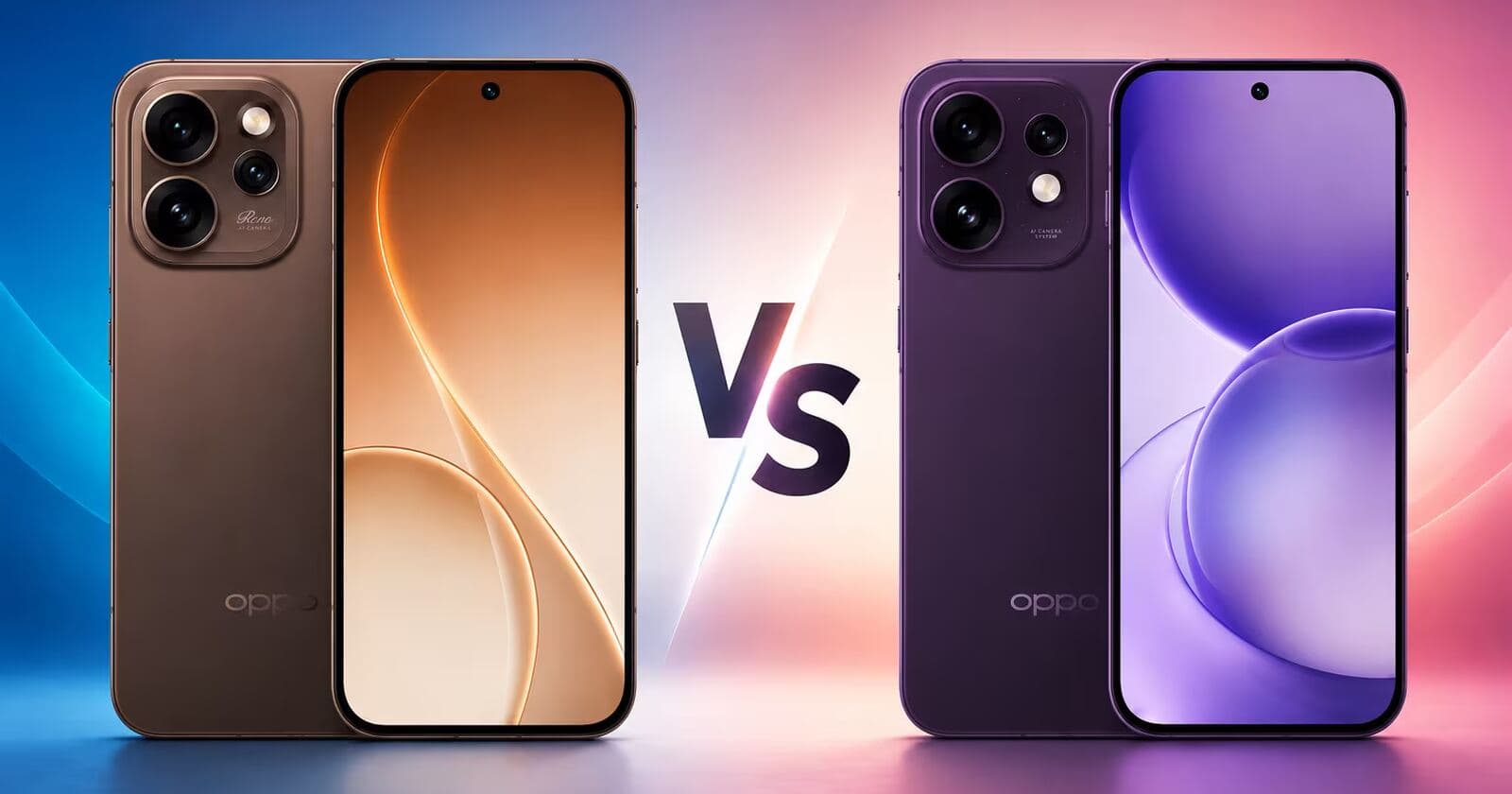
Oppo Reno 16 adds IP69K and a bigger battery
That plan triggered backlash from fans, who argued that OxygenOS was losing its identity and becoming a renamed ColorOS. In 2022, OnePlus said the two would remain separate products, but in practice the split was more visible in marketing than in code. In China, OnePlus phones had already been using ColorOS, while the gap in global versions kept shrinking with each release.
OnePlus faces tougher software competition
The company is no longer pretending the old arrangement is still alive. Its retreat from the US and Europe also matters here: maintaining a separate global software skin gets expensive, especially when the parent brand already has an established platform, a dedicated team, and millions of devices on its home market.
According to Counterpoint, Oppo has held roughly 8% of the global smartphone market in recent years, while OnePlus remained a niche player with less than 1% share. India is the key test. OnePlus says it will continue operating there, but India has been its biggest overseas market and the last place where the OnePlus name still carried significant independent weight.
For buyers, the message is straightforward: choosing a OnePlus phone for the old OxygenOS experience will no longer be an option. Hardware, price, and update support will matter more. That comes as rivals push harder on software longevity, with Samsung offering up to seven years of updates for some flagships, Google extending support for the Pixel line, and Nothing targeting users who want Android without a heavy skin.
The real test will come after Android 17 launches and the first ColorOS 17 updates reach international models. If the software stays fast, keeps notifications reliable, and delivers predictable battery life, many users may barely notice the switch. If older complaints about background limits and local services return, OnePlus could lose even the loyal customers who stuck around through its retreat from Western markets.

Gadgets Editor
Eli is obsessed with the tangible future. He reviews phones, wearables, and everything with a battery. Known for his rigorous testing protocols and unabashed teardowns, Eli has broken more review units than he cares to admit, all in the name of discovering the truth about durability and repairability.
via ITzine