• 2 min read
OnePlus exits US and Europe phone launches
OnePlus says it will stop launching new phones in North America and Europe, ending a run that began in 2014.
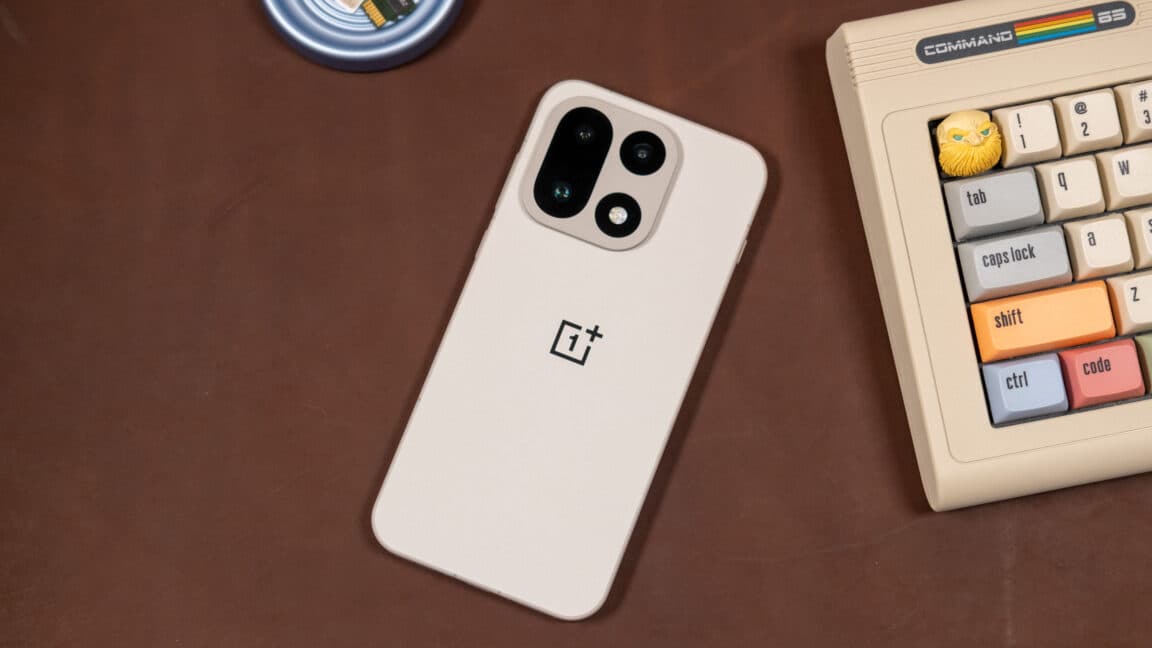
Image: Ars Technica
OnePlus is ending new phone releases in North America and Europe, confirming months of rumors and further narrowing options in the premium Android market. The company said the move is part of a “proactive global strategy adjustment,” bringing an end to a regional presence that began with its disruptive 2014 debut.
After a short expansion in the US through carrier deals with T-Mobile and Verizon, OnePlus increasingly shifted its focus to India after the pandemic. Over the same period, the brand moved closer to its parent company, Oppo, aligning both its hardware releases and software experience more closely with the larger Chinese manufacturer.
That makes the OnePlus 15, which went on sale in late 2025, the last new OnePlus handset many buyers in the US and Europe are likely to see. Earlier this year, OnePlus denied shutdown rumors, but its statement stopped short of promising future launches. The company’s latest post is still carefully phrased, but the result is straightforward.

Recommended reading
Oppo Reno 16 adds IP69K and a bigger battery
“As part of the proactive global strategy adjustment, OnePlus has decided to conclude new product rollouts in Europe and North America.”
Current-generation OnePlus phones will remain on sale in those regions, and the company says software support will continue. But OnePlus devices are also set to lose OxygenOS: with Android 17, the brand will adopt Oppo’s ColorOS globally.
For now, only India and China will continue to get new OnePlus devices. Rumors have also pointed to a shutdown of the company’s India operations in 2027.

Gadgets Editor
Eli is obsessed with the tangible future. He reviews phones, wearables, and everything with a battery. Known for his rigorous testing protocols and unabashed teardowns, Eli has broken more review units than he cares to admit, all in the name of discovering the truth about durability and repairability.
via Ars Technica