• 2 min read
Realme drops Realme UI for ColorOS 17 in India
Realme says future phones in India will ship with ColorOS 17 instead of Realme UI, with compatible older models also set to make the switch.
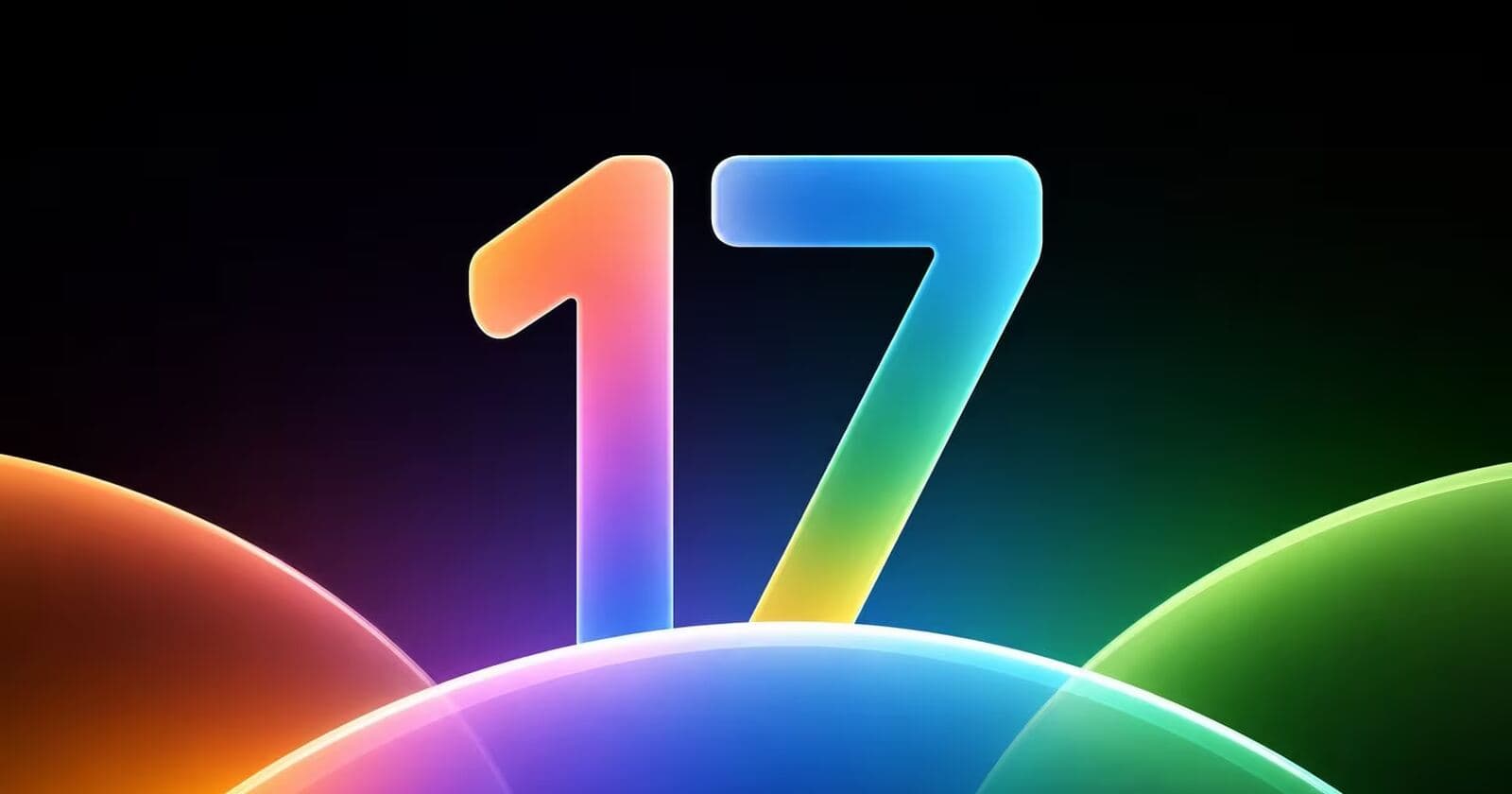
Image: ITzine
Realme is replacing Realme UI with ColorOS 17 for future smartphones in India, tightening its software alignment with Oppo. The company told the press the move is meant to simplify development by sharing resources across the Oppo ecosystem, helping it deliver updates faster and at lower cost.
Realme has not yet named the first phone that will ship with ColorOS 17. For now, the company suggests the software will likely appear on new Oppo devices first, before reaching the next generation of Realme phones.
The change will not be limited to upcoming models. Realme says compatible phones already on the market will also receive ColorOS 17 within their promised support window. As an example, the company pointed to the Realme GT 8 Pro, which launched with Realme UI 7 and is due to receive four major Android updates, making the platform shift fit within that cycle.
Recommended reading
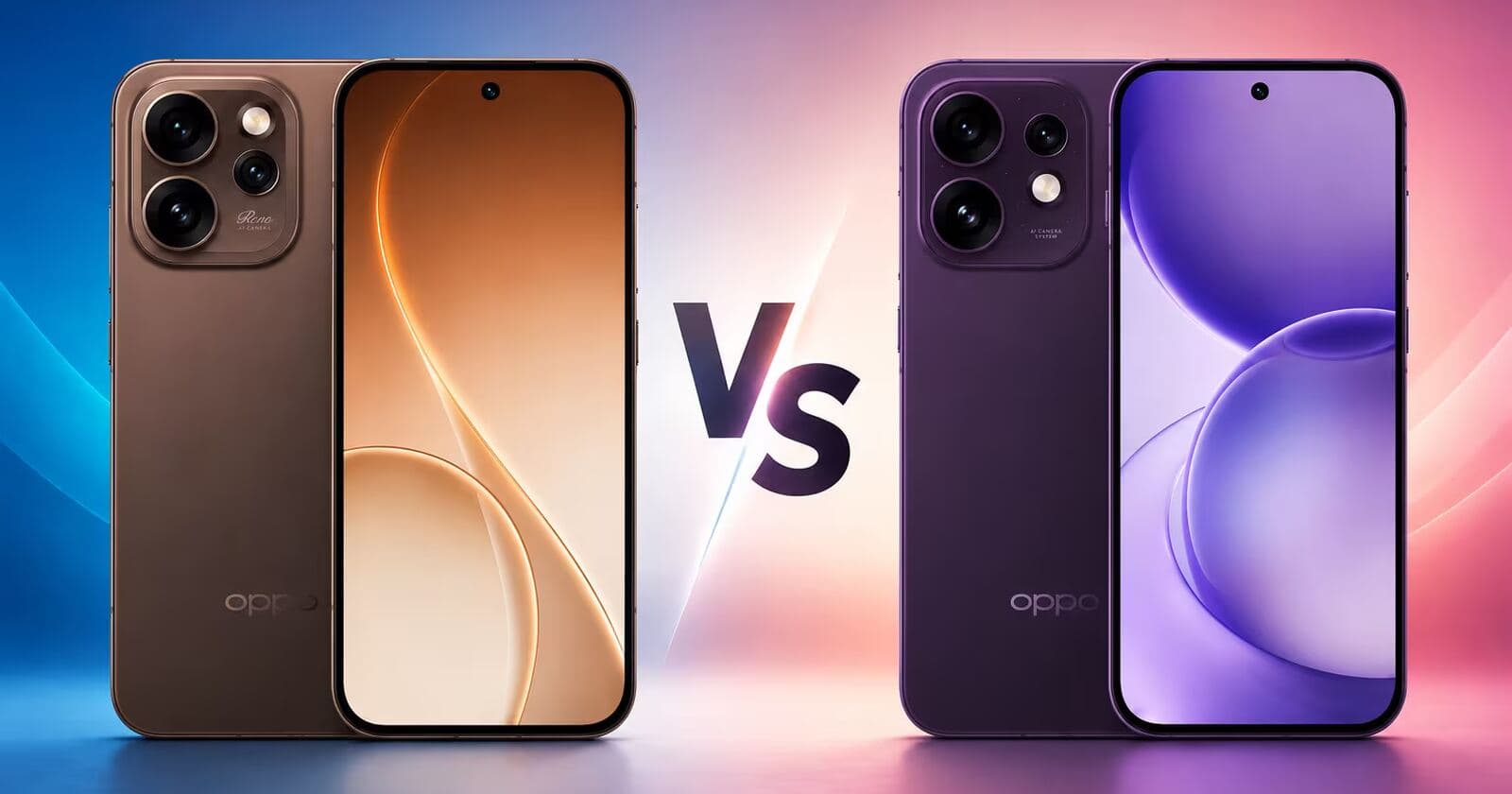
Oppo Reno 16 adds IP69K and a bigger battery
For users, the transition may be barely noticeable. Realme UI has long been close to ColorOS, with similar interface logic, shared system apps, and much of the same visual design. In practice, Realme is moving back toward its earlier roots: the brand’s first smartphones ran ColorOS, and it only launched its own interface in 2020 as it tried to create more distance from Oppo.
OnePlus is making a similar move
Realme is not alone. OnePlus recently confirmed that compatible smartphones will also be able to move to ColorOS 17 after the official release. For existing devices, that update will be optional: users can stay on OxygenOS, switch to ColorOS, and later switch back.
The rationale is similar across the Oppo-linked brands. A shared software base reduces duplicate engineering work, cuts code divergence, speeds up patches, and simplifies testing across large device portfolios.
That strategy has history. In 2021, OnePlus and Oppo brought OxygenOS and ColorOS much closer together, and OxygenOS 12 was effectively built on a shared codebase with ColorOS 12. Some OnePlus users pushed back at the time, arguing that OxygenOS had been lighter and less cluttered.
Realme faces less risk on that front, since its software never had the same distinct identity that OxygenOS did around the OnePlus 6 and 7 era. The bigger test will be execution. IDC says India is the world’s second-largest smartphone market after China, making update speed and support costs especially visible in day-to-day competition.

Gadgets Editor
Eli is obsessed with the tangible future. He reviews phones, wearables, and everything with a battery. Known for his rigorous testing protocols and unabashed teardowns, Eli has broken more review units than he cares to admit, all in the name of discovering the truth about durability and repairability.
via ITzine