• 2 min read
Russia nears Rassvet launch as 318 satellites loom
A new launch notice points to a Rassvet satellite mission between July 11 and July 16 2026, with Russia targeting 318 satellites by 2028.
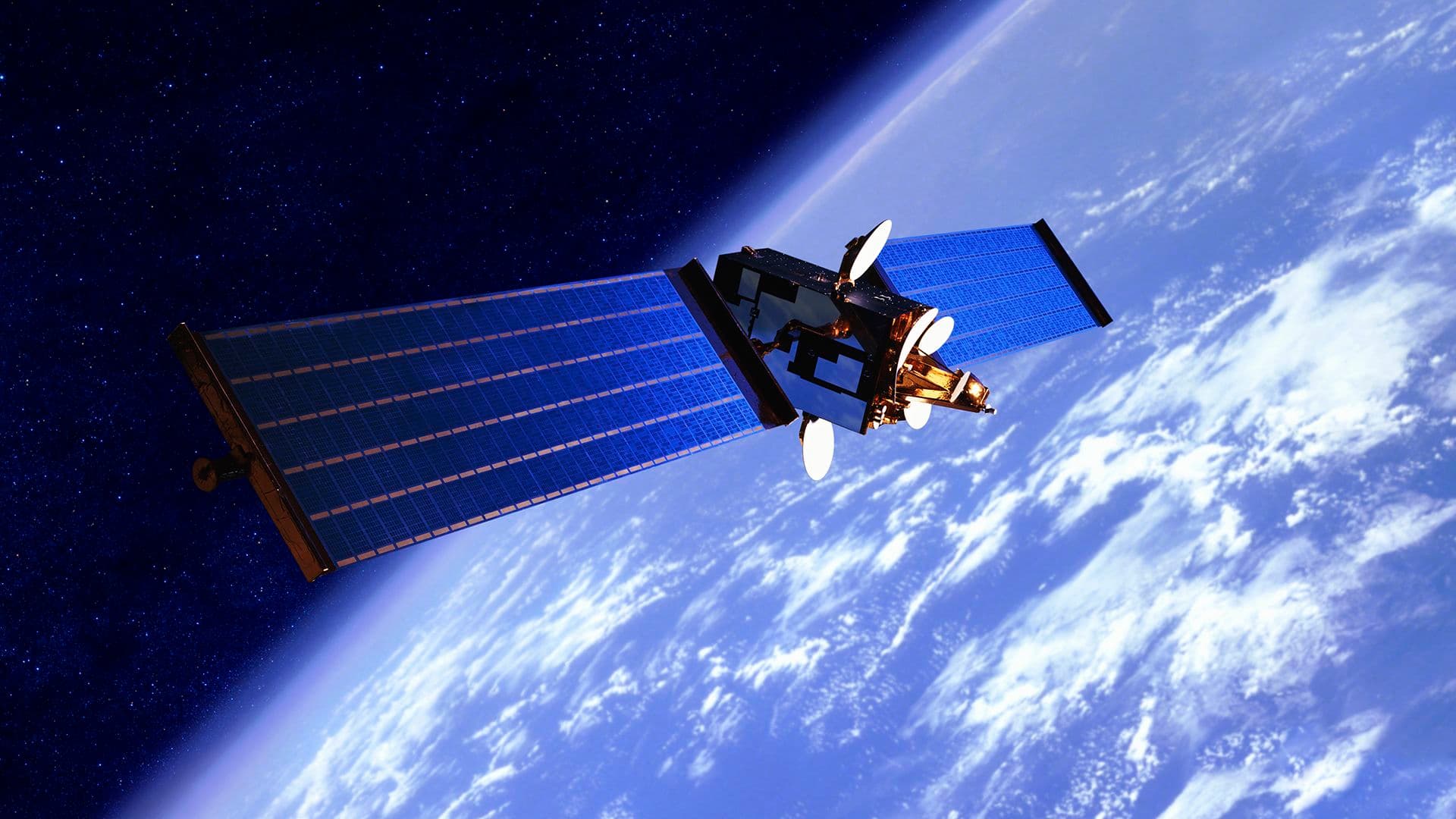
Image: TechRadar
Russia appears to be closing in on another Rassvet launch, with a recent aviation notice pointing to a window between July 11 and July 16, 2026 at Plesetsk Cosmodrome. The notice, spotted by a social media user who tracks Russian launches, suggests one or two launch vehicles could lift off during that five-day period. Roscosmos has not confirmed the timing, and there has been no official comment from the Russian government.
Rassvet has been in development for years. The first three satellites reached orbit in 2023 on the Rassvet-1 mission from Vostochny Cosmodrome, flying alongside other Roscosmos payloads. Those were test units used to verify data transmission, communication stability, and orbital behavior, not to provide commercial service.
A second batch of three larger satellites followed in May 2024 on the Rassvet-2 mission from Plesetsk Cosmodrome. According to the source, these were production prototypes that tested communications hardware supporting the 5G NTN standard, as well as laser inter-satellite links.

Recommended reading
Satellite startups pull $8.1B in half a year
The broader program has reportedly faced supply-chain problems for critical components, causing delays. In March, Bureau 1440 said it had launched 16 satellites that would form the basis of the future Rassvet system, roughly three months behind the original schedule.
Russia’s federal internet infrastructure project lays out a phased rollout of:
- 156 satellites in 2026
- 292 satellites by 2027
- A full 318-satellite constellation by 2028
The 2027 target is described as enough for full commercial service. But even a partial deployment in 2026 and 2027 would give Russia’s military access to a more independent satellite communications system similar to Starlink.
That timetable has taken on greater urgency after SpaceX blocked Russia’s unauthorized use of its satellite internet service, according to the report. Moscow has also recently tested Barrazh 1, a high-altitude stratospheric balloon relay network designed to carry communications equipment to about 20km above the ground.
The report says Rassvet’s ground terminals use active phased array technology, allowing them to automatically lock onto satellites overhead without manual adjustment. If this launch window holds despite Bureau 1440's past delays, it would be another concrete step toward a Russian communications network that does not depend on foreign satellite systems.
Via Militarnyi.

Frontier Editor
Dan is our resident futurist, covering electric mobility, space exploration, and the smart home. He's interested in atoms just as much as bits. Whether it's a new battery chemistry, a reusable rocket, or a protocol that finally makes IoT devices talk to each other, Dan breaks down the engineering that pushes humanity forward.
via TechRadar