• 2 min read
Samsung backs 15,000-TEU nuclear cargo ship concept
ABS has granted preliminary approval to a 15,000-TEU container ship concept using two molten salt reactors instead of diesel engines.
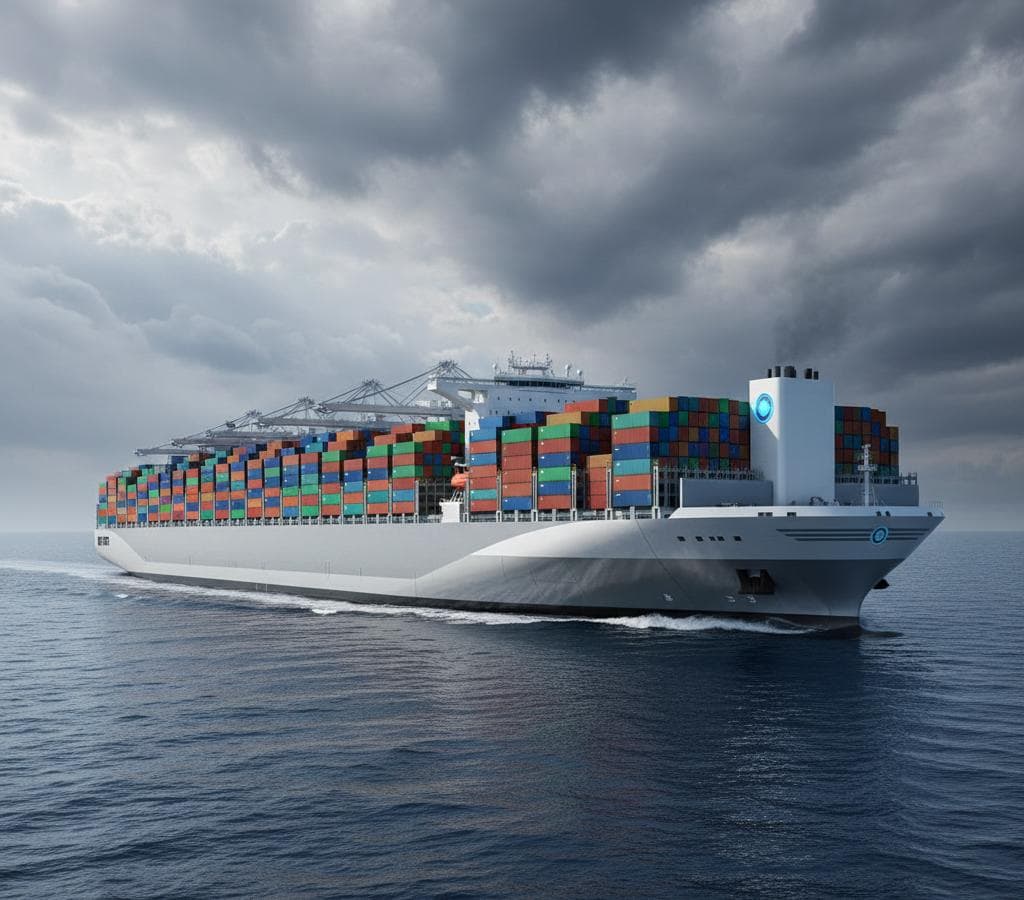
Image: iXBT
A next-generation nuclear-powered container ship designed by KRISO has received Approval in Principle (AIP) from the American Bureau of Shipping (ABS), clearing an early hurdle for a vessel that would carry up to 15,000 twenty-foot containers and replace conventional diesel engines with small modular reactors (SMRs).
At the center of the concept are two marine molten salt reactors (MSRs). Unlike conventional water-cooled reactors, they use liquid fuel salt and operate at much lower pressure. According to the developers, that could improve safety and reduce the risk of high-pressure system accidents.
The reactors are also intended to run for years without refueling, a major advantage for long-distance shipping. One of the toughest engineering problems was handling constantly changing power demand, so the design pairs the reactors with an energy storage system (ESS). If one reactor temporarily reduces output or goes offline for maintenance, the second reactor and the batteries would automatically make up the shortfall and keep ship systems running.
The nuclear powertrain also changes the ship’s layout. With no need for large fuel tanks or exhaust stacks, the design frees up more room for containers. The reactor compartment sits in the center of the hull, where it is less exposed to mechanical stress during rolling and better protected in a side collision. Crew living quarters have been moved to the bow, as far as possible from the reactors.
Before getting AIP, KRISO ran hydrodynamic tests on scale models in a test basin. Based on those results, the team selected a hull shape that, they say, will let the vessel reach 25 knots — a little over 45 km/h — even in unfavorable weather.

Recommended reading
Light Reveals Quantum States Without Strong Magnets
The project brings together KRISO, Samsung Heavy Industries, and the Korea Atomic Energy Research Institute (KAERI). KRISO and Samsung Heavy Industries are responsible for the ship design, hydrodynamics, and power systems, while KAERI developed the Marina reactor.
AIP does not authorize construction or operation. It means the concept broadly meets baseline safety requirements and can move on to detailed design and later certification. If built, the vessel could mark an early step toward commercial container ships powered by small modular nuclear reactors, operating without traditional fuel and cutting carbon dioxide emissions in global shipping.

Frontier Editor
Dan is our resident futurist, covering electric mobility, space exploration, and the smart home. He's interested in atoms just as much as bits. Whether it's a new battery chemistry, a reusable rocket, or a protocol that finally makes IoT devices talk to each other, Dan breaks down the engineering that pushes humanity forward.
via iXBT