• 2 min read
Sapsan runs 573,000 km on localized power parts
VSM-Service says 21 imported pantograph components on Sapsan trains have been replaced with Russian equivalents after a year in service.
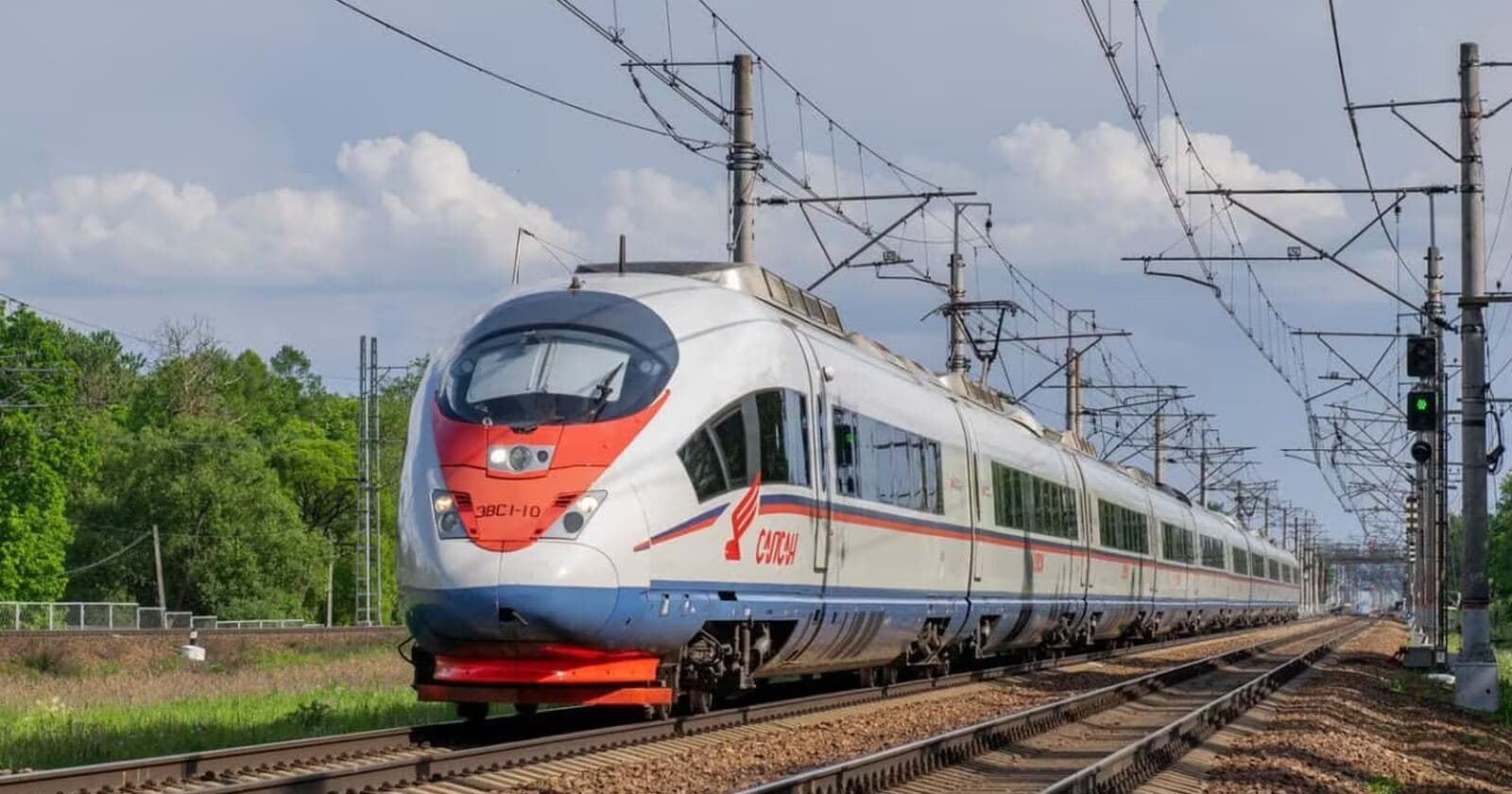
Image: ITzine
VSM-Service says it has replaced 21 imported pantograph components on Sapsan trains with Russian-made equivalents, a key maintenance milestone for the high-speed fleet. The company said the parts passed bench testing and then spent a year in live service on the Moscow–St. Petersburg route.
According to the company, the trainset with the highest mileage using the localized assemblies has now covered 573,000 km without failures. The pantograph transfers electricity from the overhead contact network to the train’s onboard equipment, making it a critical system for Sapsan operations.
That matters because Sapsan trains run to a fixed timetable and accelerate to 250 km/h, leaving little tolerance for power-related faults that could disrupt an entire trip. VSM-Service said it completed the full cycle itself: disassembling the original units from Austria’s Melecs, selecting materials, building replacement parts, and validating them in real-world use.
The effort comes after Siemens began winding down its business in Russia in 2022, turning spare parts and service support for Siemens Mobility trains into an immediate issue for Russian Railways. Sapsan trains have operated on Russian lines since 2009, and their long-term service life now depends in part on how quickly critical imported parts can be replaced.
The wider rail sector has already seen similar shifts. After the break with Siemens, Russia introduced the Finist electric train in place of Lastochka, while manufacturers and service companies accelerated localization work for existing rolling stock.

Recommended reading
Evolute i-Sky slips to fall 2026 launch
This latest project shows that the push now extends beyond complete trains to smaller components that are easy to overlook but essential to keeping high-speed services moving. The next test will come not in the lab, but in routine operation on some of Russia’s busiest intercity routes.

Frontier Editor
Dan is our resident futurist, covering electric mobility, space exploration, and the smart home. He's interested in atoms just as much as bits. Whether it's a new battery chemistry, a reusable rocket, or a protocol that finally makes IoT devices talk to each other, Dan breaks down the engineering that pushes humanity forward.
via ITzine