• 2 min read
Self-assembling thin-film electronics come from Japan
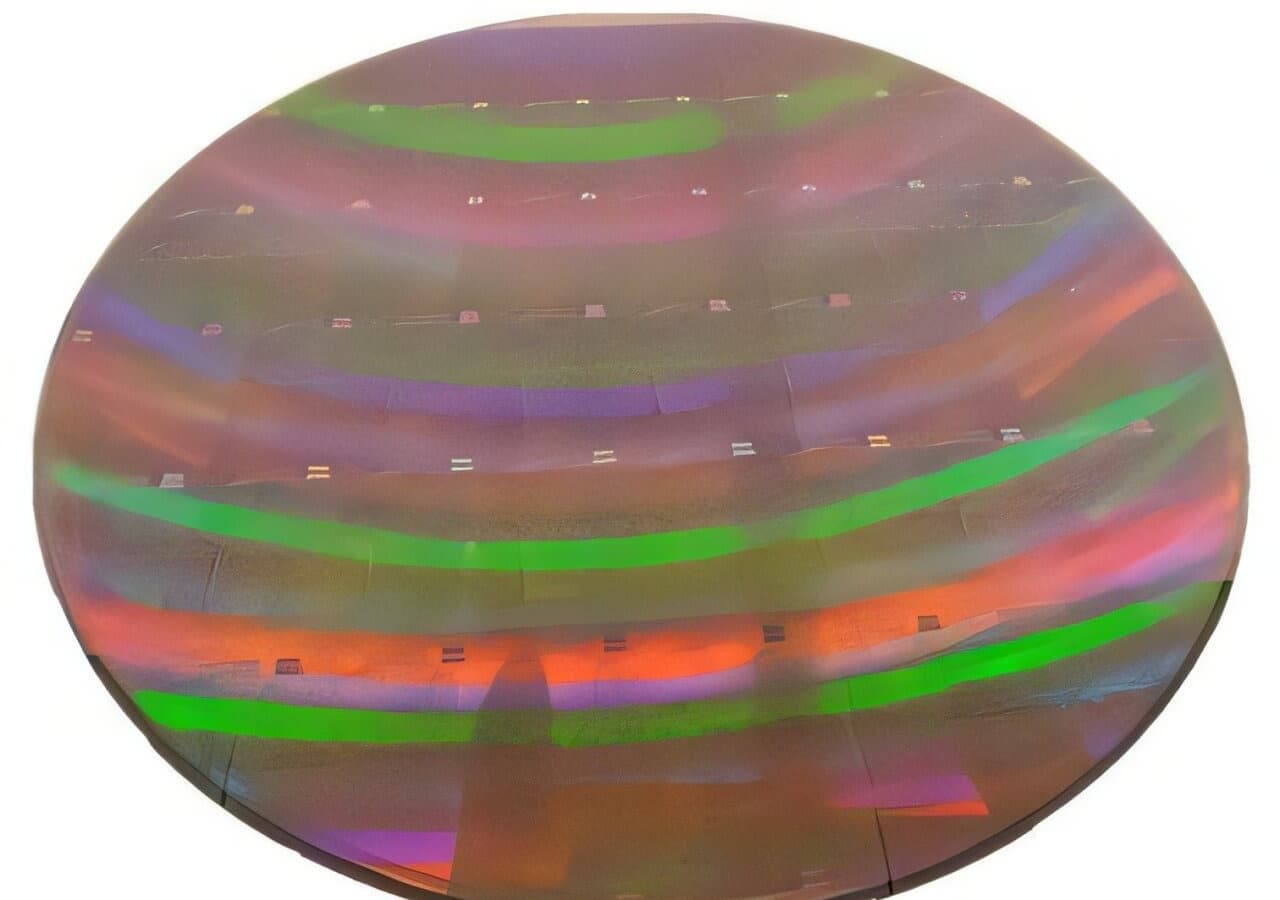
Kyushu University engineers built thin-film modules that dock, undock, and reconfigure themselves while passing power and signals.
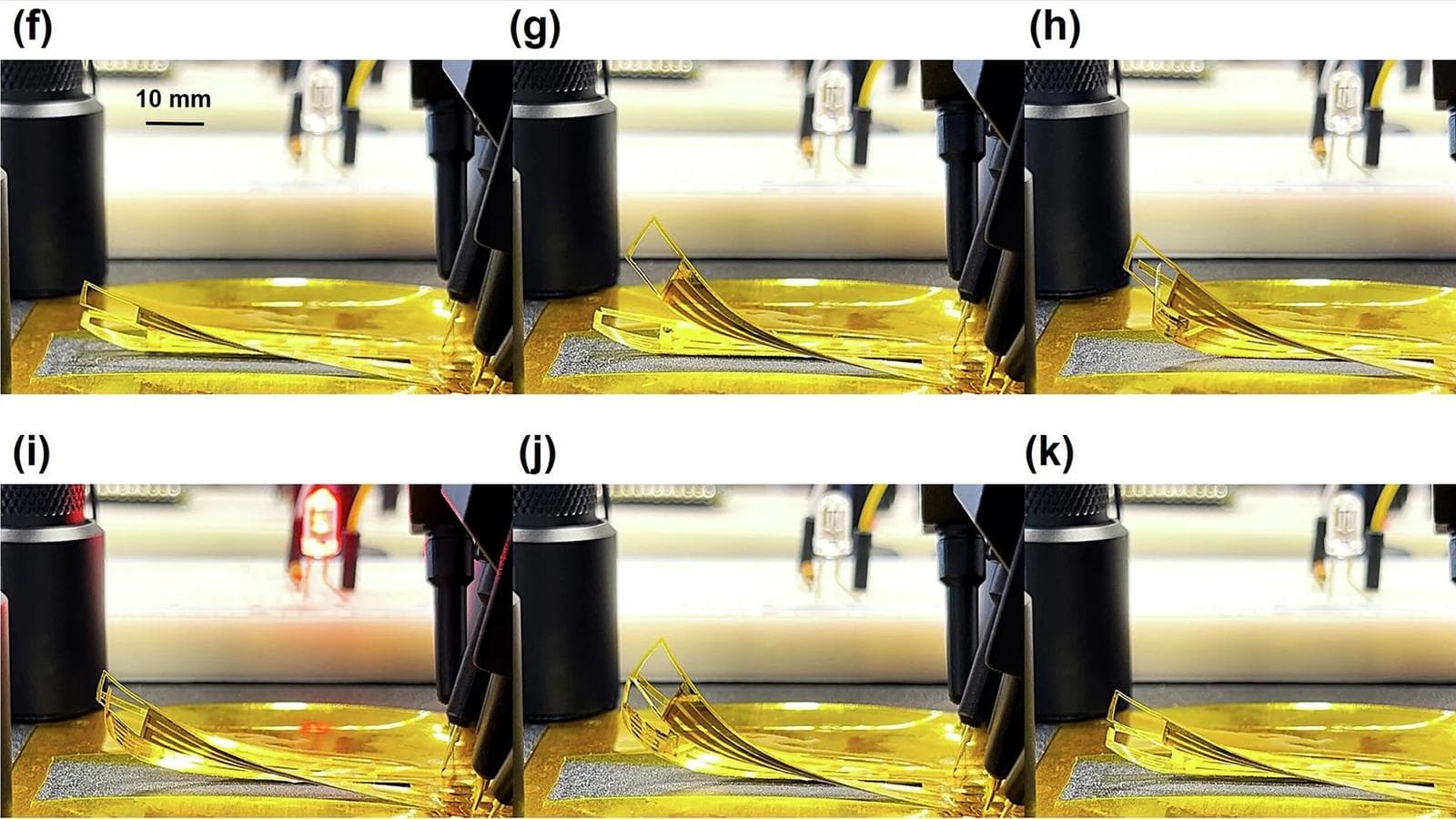
Image: iXBT
Engineers at Kyushu University have developed thin-film electronics that can self-assemble, disconnect, and reconfigure without human intervention. The team calls the new device class “kinetic electronics”: unlike conventional electronics built as rigid, fixed structures, these modules can physically move and connect to each other.
The core idea combines an electrical circuit and an actuator in the same thin film. That actuator uses polypropylene and polyimide, two polymers that expand differently when heated. A built-in gold microheater bends the film, allowing the module to perform mechanical actions without an external drive.
Based on that approach, the researchers built several docking mechanisms. One uses a loop-and-hook system; another uses a claw-like latch that stays locked even when power is completely removed. In both cases, the modules create a mechanical connection and an electrical contact at the same time, enabling the transfer of power and signals.
The system operates at 5–12 V. During docking, the probe mechanism delivers up to 10 mm of deformation at 1.1 W. A separate undocking module consumes an average of 0.43 W while maintaining holding force up to 618 mgf—about 6.1 mN. The connection remains stable even after total power loss.
The authors demonstrated two device configurations: an assembly mechanism with a flat probe and a modular separation system. Tests showed that reconfigurable thin-film electronic systems can assemble themselves from individual modules and remain functional after connection.

Recommended reading
ZeroAvia and Safran team up on hydrogen-electric jets
The work is aimed at flexible electronics, including wearable medical sensors, implants, and soft robots. Over time, devices like these could change shape for a specific task, reconfigure themselves, and automatically restore connections after damage.

Frontier Editor
Dan is our resident futurist, covering electric mobility, space exploration, and the smart home. He's interested in atoms just as much as bits. Whether it's a new battery chemistry, a reusable rocket, or a protocol that finally makes IoT devices talk to each other, Dan breaks down the engineering that pushes humanity forward.
via iXBT