• 2 min read
ZeroAvia and Safran team up on hydrogen-electric jets
ZeroAvia and Safran have formed a strategic partnership to develop high-temperature fuel cells for future passenger aircraft.
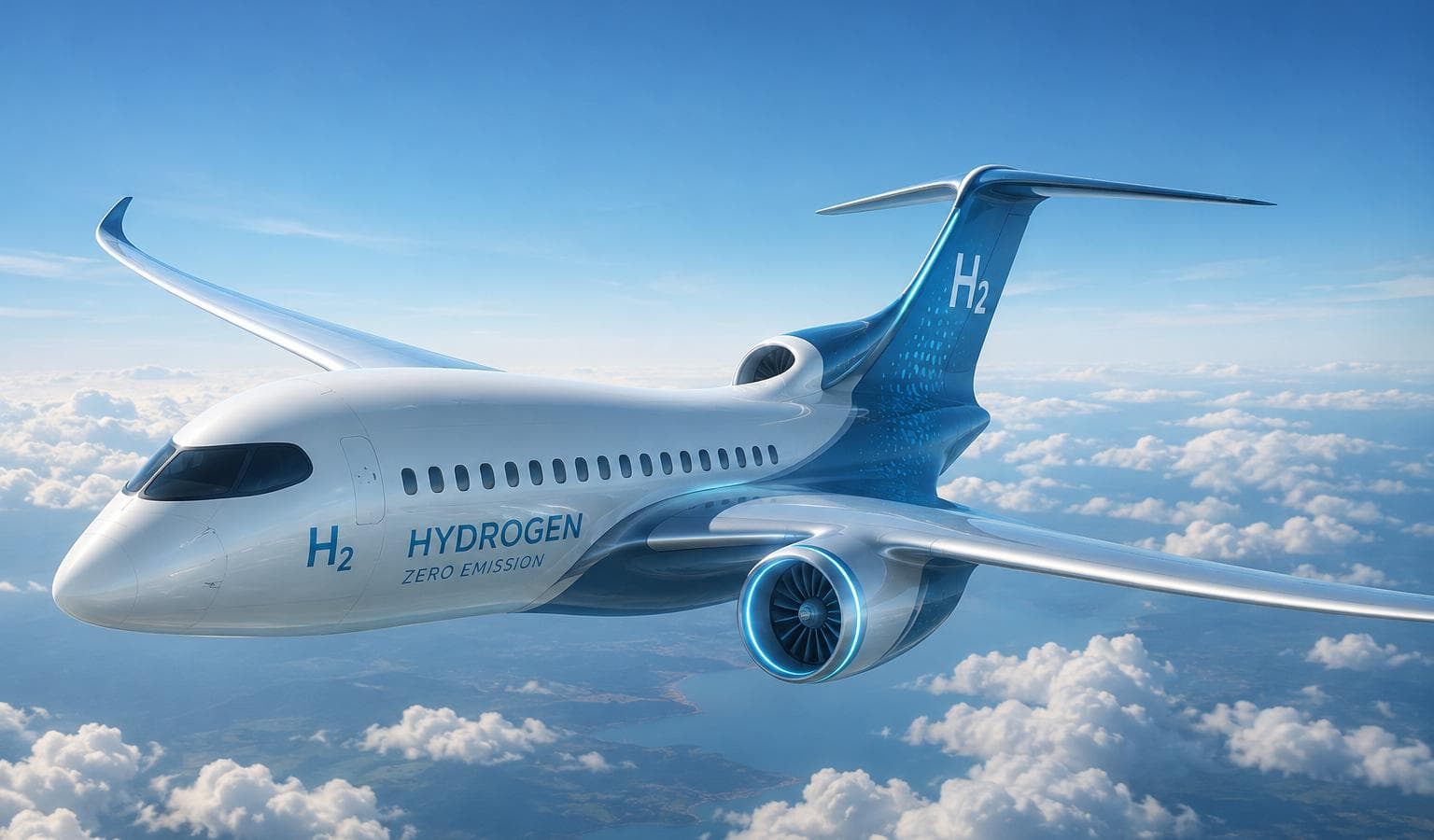
Image: iXBT
ZeroAvia and Safran say they want to speed up the arrival of hydrogen-electric propulsion for future passenger aircraft, announcing a strategic partnership focused on high-temperature fuel cells. The companies describe the technology as a key step toward commercially viable hydrogen aviation.
Unlike the low-temperature fuel cells commonly used in electric cars and lighter aircraft, high-temperature systems can deliver much higher power while needing less complex cooling. That could reduce the weight and size of the propulsion system, a crucial requirement for larger passenger planes.
In this setup, liquid hydrogen is fed into fuel cells to generate electricity, which then powers electric motors. The process produces only water, meaning these engines would generate virtually no carbon emissions during flight.
Recommended reading
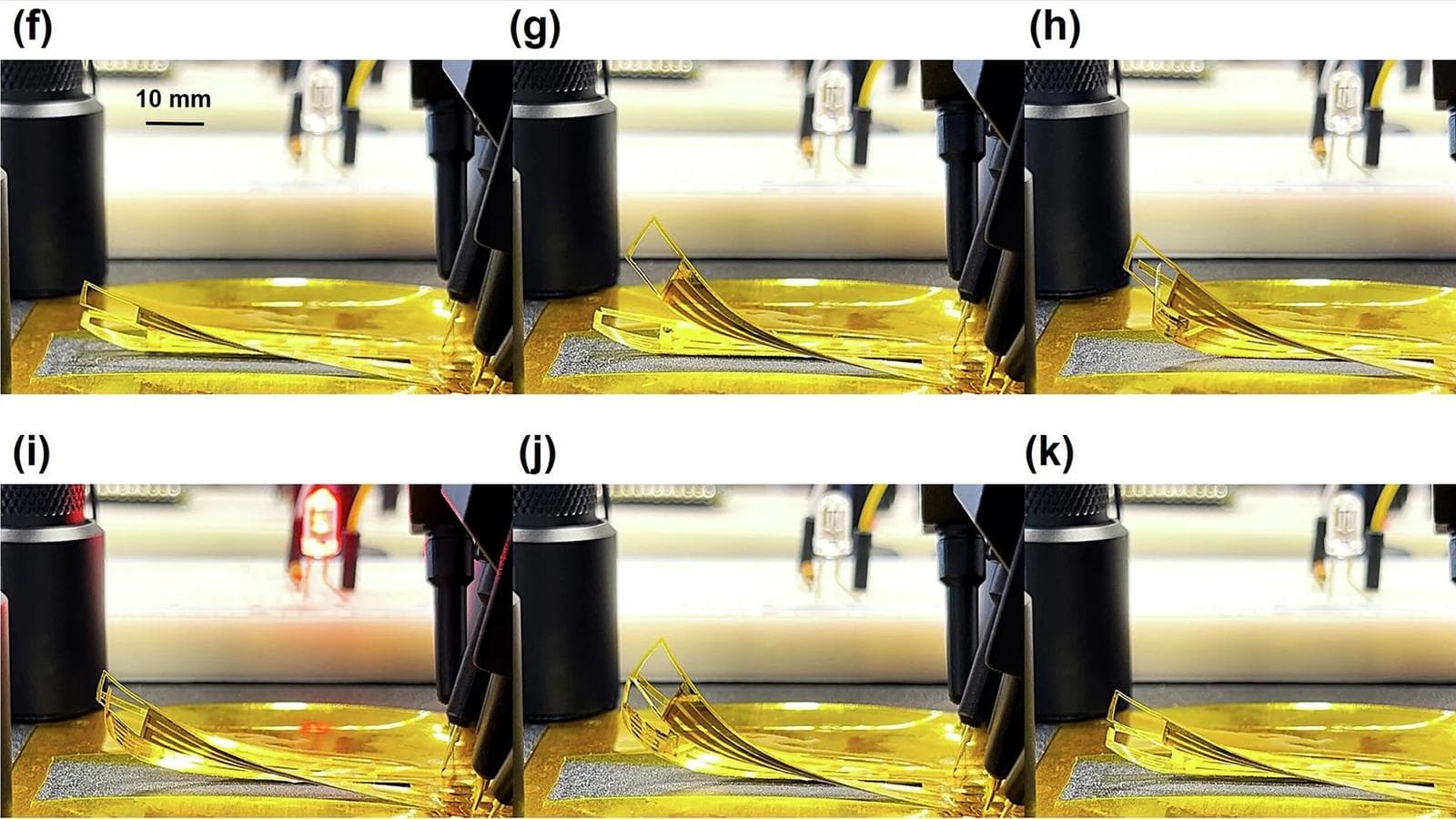
Self-assembling thin-film electronics come from Japan
For ZeroAvia, the deal carries extra weight. The company previously ran into financial trouble, forcing it to cut staff and pause several internal projects. Even so, it is still developing the ZA600, a 600 kW powertrain aimed at regional aircraft carrying 9 to 19 passengers.
Electric aviation experience and remaining hurdles
Safran already has deep experience in electric aviation. The company says it was the first in the world to certify an aviation electric propulsion system, ENGINeUS, and now plans to combine its manufacturing capabilities with ZeroAvia’s expertise in hydrogen fuel cells.
Commercial hydrogen aircraft are still years away. Beyond building the engines themselves, the industry must also solve several difficult problems:
- airport infrastructure for storing and refueling liquid hydrogen
- lengthy certification for new propulsion systems
Airbus recently underscored that challenge, saying development of its own hydrogen aircraft is moving more slowly than originally planned.

Frontier Editor
Dan is our resident futurist, covering electric mobility, space exploration, and the smart home. He's interested in atoms just as much as bits. Whether it's a new battery chemistry, a reusable rocket, or a protocol that finally makes IoT devices talk to each other, Dan breaks down the engineering that pushes humanity forward.
via iXBT