• 2 min read
ShadowSense predicts solar dips from cloud movement
KTU researchers built ShadowSense, a self-supervised system that uses sky images to forecast short-term solar output drops in real time.
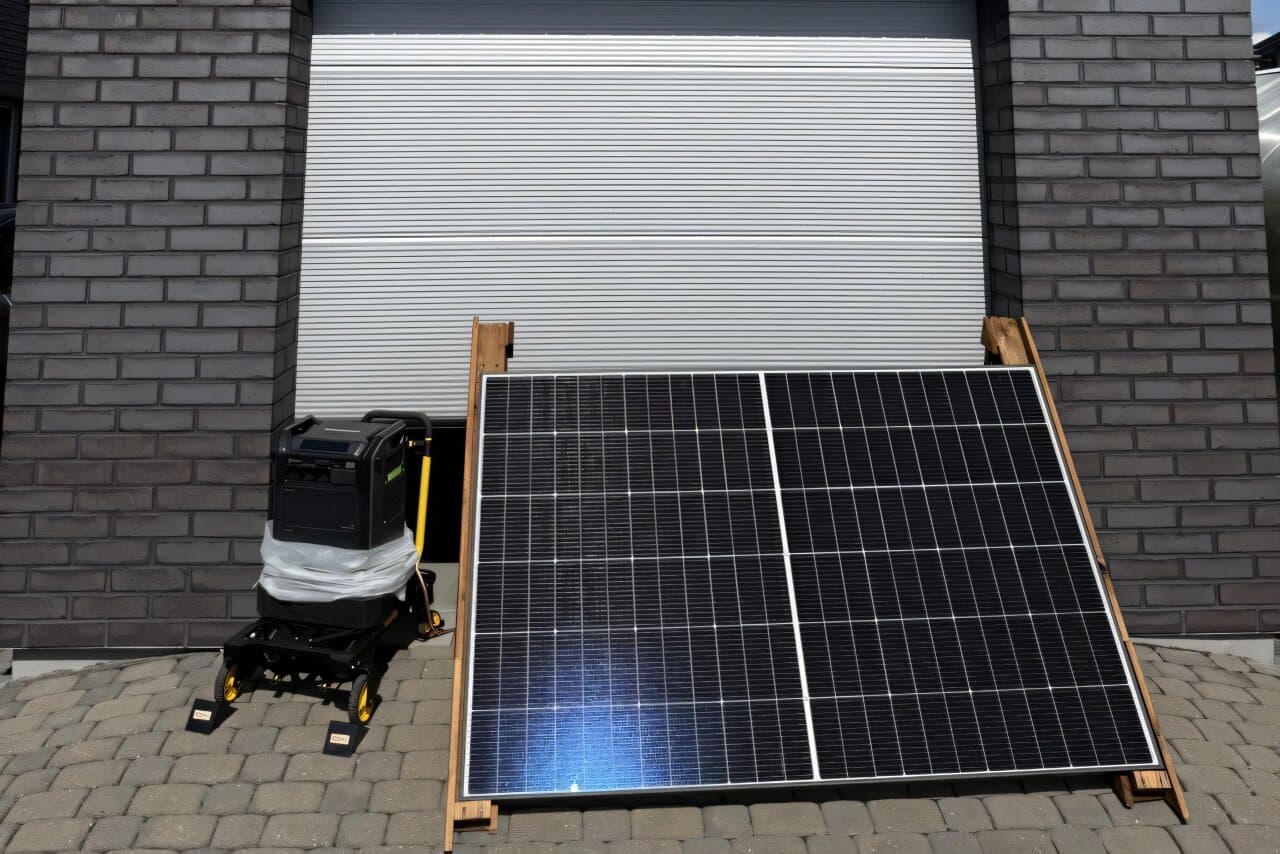
Image: TechXplore
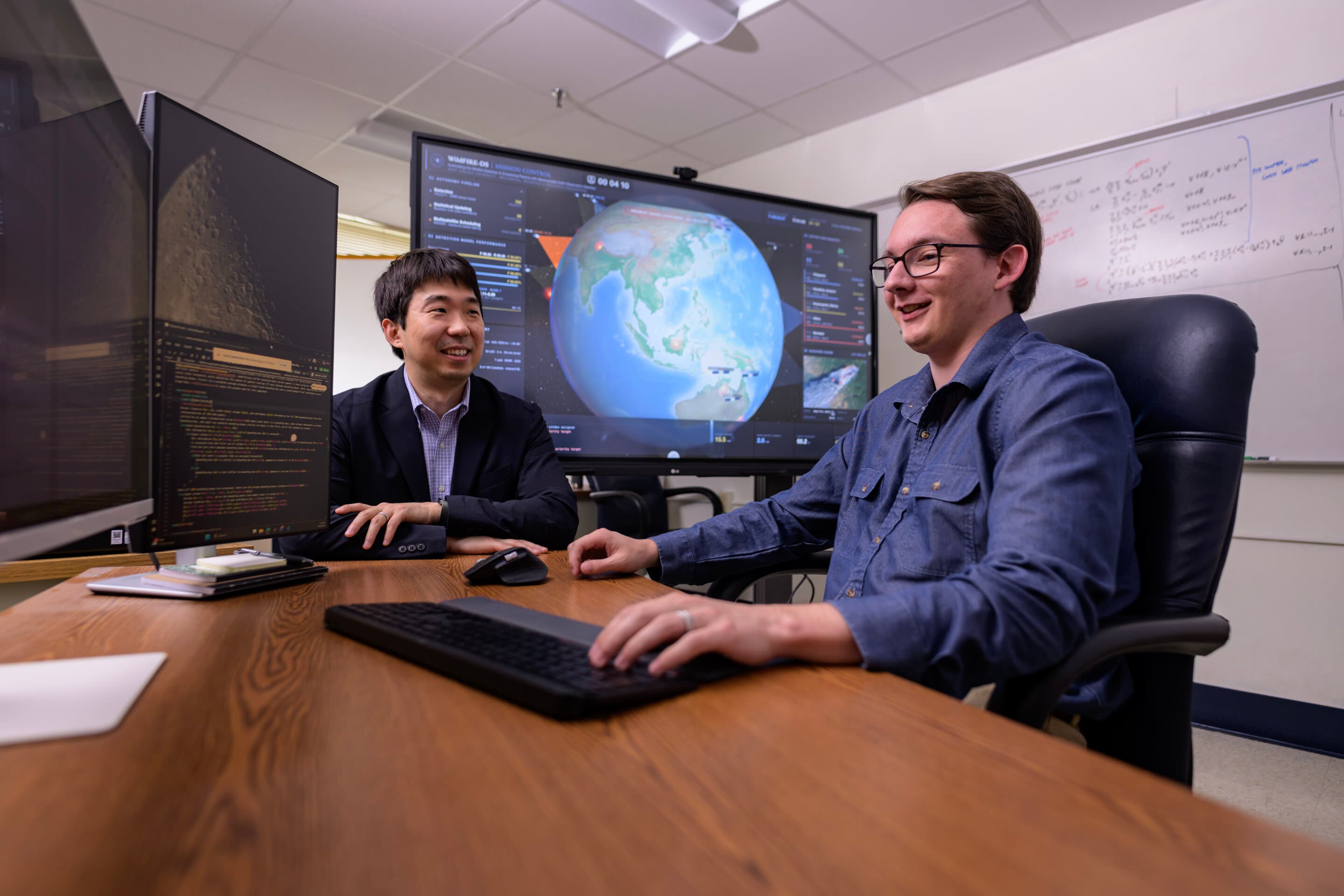
A research team at Kaunas University of Technology says it has built a system that can spot cloud-driven drops in solar output before they happen, giving grid operators and solar sites a short but useful warning. The system, called ShadowSense, learns by matching sky images with real-time changes in a solar module’s power output rather than relying on large hand-labeled image datasets.
That matters because even a small cloud passing over the sun can cut a panel’s output by tens or even hundreds of watts within seconds. As solar installations spread, those sudden swings become harder for grid operators to manage while keeping generation and consumption in balance.
Professor Rytis Maskeliūnas, who led the KTU team, said most image-based methods depend on manually labeled data, making them costly and hard to adapt across locations and weather conditions. ShadowSense instead watches cloud movement, estimates the sun’s position, calculates how shadows may hit a solar module, and links that to earlier power changes to forecast output over the next minute or several minutes.

Recommended reading
Styropyro Made 'Lightning in a Bottle' With Mercury and Neon
“Each sudden drop in power becomes a kind of clue for the system, helping it understand which changes in cloud cover may have caused it.”
The researchers tested the system in a real residential setup in Kaunas, not a lab. A wide-angle camera on a roof captured the sky, while a solar module in the courtyard powered both the measurement system and the AI computer. Over 92 days in Kaunas district, the team collected more than 122,000 synchronized observations combining sky-image sequences and solar power data.
According to the study, published in IEEE Transactions on Sustainable Energy, ShadowSense outperformed conventional methods in short-term forecasting. It cut average forecasting error by almost a third and detected more than 92 percent of sudden power changes tied to cloud shadows.
The system also ran efficiently enough for edge deployment: a single forecast took about 66 milliseconds, with energy use of roughly 0.52 J per forecast. That could make it useful for decentralized solar sites, remote installations, and systems without powerful servers or continuous internet access.
The paper is “ShadowSense: Edge Optimized Self-Supervised Learning for Dynamic Shadow Mapping of Solar Panels” by Rytis Maskeliunas et al., with DOI 10.1109/tste.2026.3707931.

Frontier Editor
Dan is our resident futurist, covering electric mobility, space exploration, and the smart home. He's interested in atoms just as much as bits. Whether it's a new battery chemistry, a reusable rocket, or a protocol that finally makes IoT devices talk to each other, Dan breaks down the engineering that pushes humanity forward.
via TechXplore