• 2 min read
SKFU builds 10 kg agri-drones for farm rollout
North Caucasus Federal University says its new copter-type agri-drones can lift 10 kg and fly up to 10 km, with local production already in place.
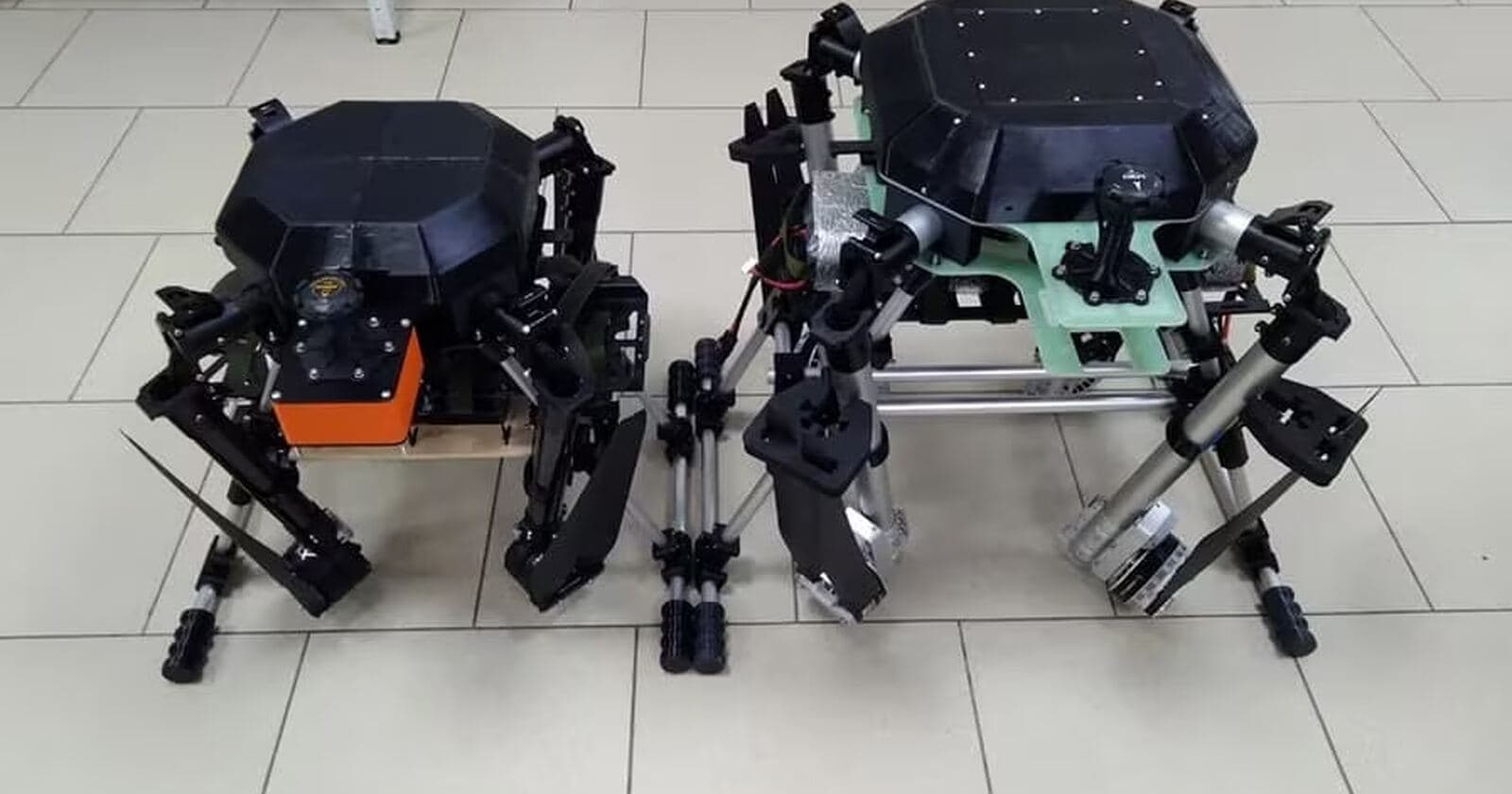
Image: ITzine
Engineers at North Caucasus Federal University (SKFU) have developed a line of copter-type agricultural drones that can carry up to 10 kg and fly as far as 10 km. The project is being developed with specialists from the Center for New Solutions and Stilsoft.
According to the university, this is not just a one-off prototype. SKFU says it has prepared full design documentation, tested pilot units, and set up assembly on its own production base. The drones are intended for two standard agricultural jobs: monitoring soil and crops and applying fertilizers.
SKFU’s press service says the software can be quickly reconfigured for different operating scenarios, and the autopilot can be modified if needed. For Russian customers, the practical appeal goes beyond flight performance: whether the machines can be built repeatedly, serviced without friction, and updated easily matters more than a polished exhibition prototype.
Recommended reading
Evolute i-Sky slips to fall 2026 launch
By its specs, the SKFU platform sits in the compact agri-drone class. The source compares it with DJI Agras T25 and T50, which are designed for much heavier payloads but also cost more. The article also notes that supply and service for those imported models in Russia come with their own complications.
That creates an opening for locally assembled systems. The Russian domestic market is increasingly shifting toward homegrown platforms, helped by the country’s national project for unmanned aircraft systems, while regions are expanding purchases of drones for civilian uses, including agriculture.
The next step for SKFU is to bring the platform to a stable mass-production configuration and prove the economics in real agricultural deployments. If the university can demonstrate durability, reliability, and workable service support, these drones could find a place between heavy imported agricultural copters and lighter aircraft built only for monitoring.

Frontier Editor
Dan is our resident futurist, covering electric mobility, space exploration, and the smart home. He's interested in atoms just as much as bits. Whether it's a new battery chemistry, a reusable rocket, or a protocol that finally makes IoT devices talk to each other, Dan breaks down the engineering that pushes humanity forward.
via ITzine