• 2 min read
Smart glasses backlash grows as privacy fears spike
Celebrities, activists, and regulators are pushing back on camera-equipped smart glasses as Meta, Google, and Samsung press ahead.

Image: TechRadar
Camera-equipped smart glasses are running into a sharper public backlash just as Meta, Google, and Samsung push harder on the category. The core complaint is simple: glasses can record photos and video far more discreetly than a phone, raising fears that everyday wearables are turning into surveillance devices.
That concern has intensified after reports that some owners paid modders to disable the recording indicator light on existing glasses, a change Meta has since moved to block. Reports that future Meta Ray-Bans could record more continuously have added fuel, though the article attributes those claims to recent reporting and activist criticism.
The criticism is no longer limited to privacy advocates. Lorde recently denounced Meta glasses on stage, while Tyler, the Creator said that “anyone who uses these glasses is a real weirdo.” Online, commenters have described the devices as “creep goggles” and “a walking Flock camera,” with some calling for outright bans.
Recommended reading
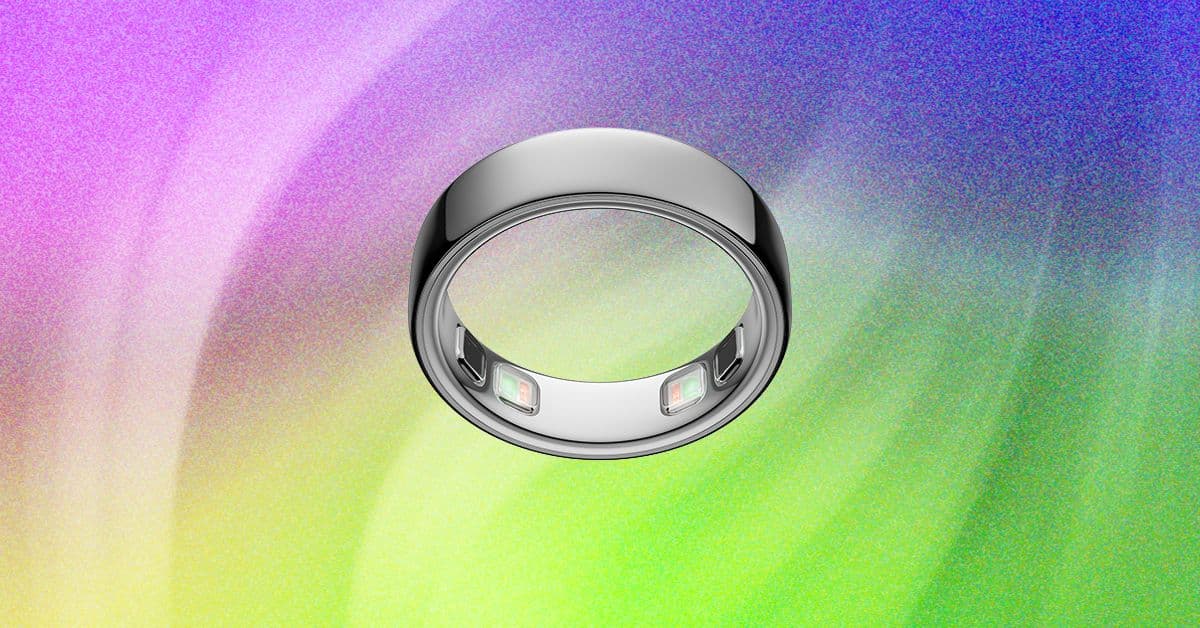
Oura Ring 5 stays ahead with sharper software
There are early signs of legal scrutiny, though only in narrow cases. Illinois appears set to become the first US state to ban smart glasses while driving, citing distraction concerns. In South Korea, a man is facing criminal charges after admitting he used smart glasses to cheat on a test: the glasses captured questions, onboard AI generated answers, and he wrote them down.
In London, activists have installed fake Meta Glasses ads at bus stops to spotlight the surveillance issue. One ad turns Kylie Jenner’s face into a skeleton with the line “we’re always watching.” The campaign argues that constant recording is moving the product from fashion accessory toward something far more invasive.
Privacy concerns as new models approach
The industry is still moving forward. Google and Samsung are expected to launch more smart glasses later this year, built around Gemini AI features that analyze what the wearer is looking at — which again depends on cameras.
The debate echoes the reaction to Google Glass in 2012, but with higher stakes now that AI can interpret what those cameras see. According to the source, European Union regulators have exempted wearables from removable-battery rules that apply to some other devices, after reported pressure from the US.
Google says acceptance will depend on visible privacy safeguards.
“If people don’t feel comfortable wearing these glasses, and privacy is part of this, they just won’t wear the glasses. It’s as simple as that.”
If Apple enters the market, as rumored, it will face the same question confronting every smart-glasses maker: whether a recording light that cannot be switched off is enough to overcome growing resistance to wearing a camera on your face.

Gadgets Editor
Eli is obsessed with the tangible future. He reviews phones, wearables, and everything with a battery. Known for his rigorous testing protocols and unabashed teardowns, Eli has broken more review units than he cares to admit, all in the name of discovering the truth about durability and repairability.
via TechRadar