• 2 min read
Solid-state batteries ran underground for a year at 85°C
A Beijing solid-state battery system operated for a year in an underground heating network at up to 85°C and 95% humidity.
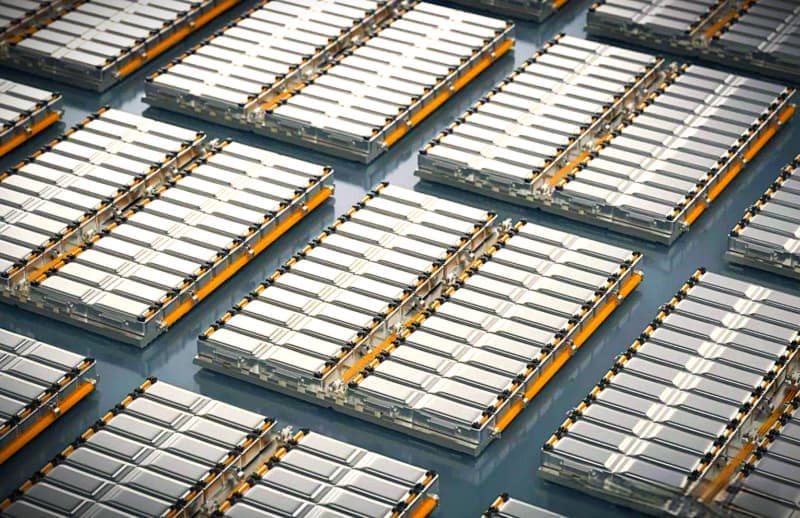
Image: iXBT
A stationary solid-state battery system in Beijing kept running after one year underground in a district heating network, enduring a winter cycle with temperatures of up to 85°C and humidity levels of 95%.
The test is a rare example of field use rather than a lab demonstration. According to Beijing Energy Group, the system maintained stable operation at sustained temperatures from 40°C to 85°C and humidity from 90% to 95% while deployed in a working heating network throughout the winter season.
The project focused on how well the batteries could withstand harsh industrial environments. But the data released so far leaves major gaps: the company did not disclose the batteries' chemistry, energy capacity, degradation data, or service life metrics.
The report also draws a clear line between this result and automotive use. While the underground deployment highlights durability in heat and moisture, EV batteries are judged on a different mix of priorities, including energy density, weight efficiency, fast charging, manufacturing cost, and longevity.
The battery system was developed by Pure Lithium New Energy, a Beijing-based solid-state battery developer in the Yizhuang Economic and Technological Development Zone. The company introduced its first solid-state battery system in 2025, initially targeting battery-swapping networks for electric bicycles.
Recommended reading
Styropyro Made 'Lightning in a Bottle' With Mercury and Neon

Frontier Editor
Dan is our resident futurist, covering electric mobility, space exploration, and the smart home. He's interested in atoms just as much as bits. Whether it's a new battery chemistry, a reusable rocket, or a protocol that finally makes IoT devices talk to each other, Dan breaks down the engineering that pushes humanity forward.
via iXBT