• 2 min read
Solid-state battery ran a year underground at 85°C
Pure Lithium New Energy says its solid-state battery system operated for a year in a Beijing underground heating network at up to 85°C and 95% humidity.
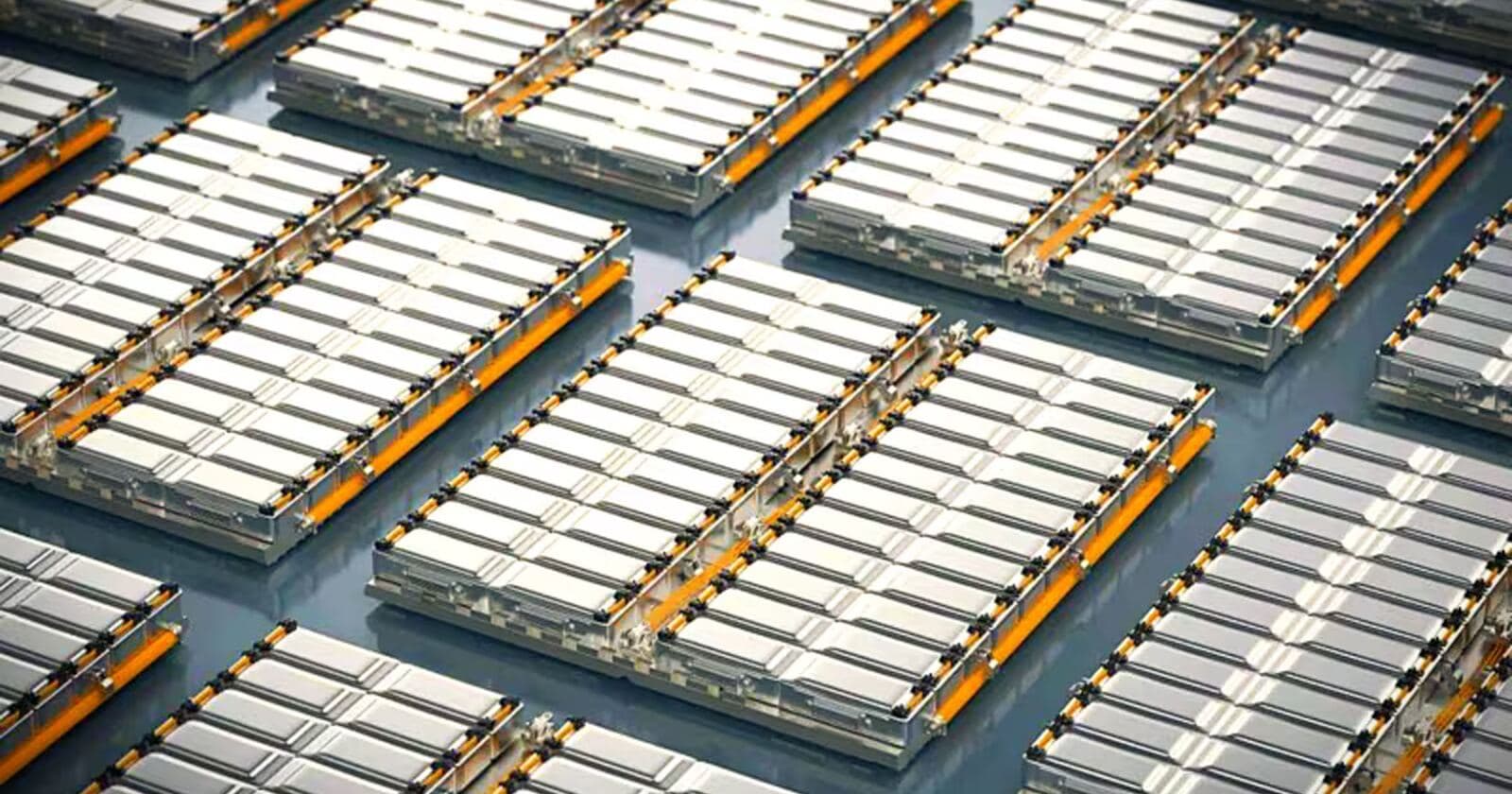
Image: ITzine
A solid-state battery system from Beijing-based Pure Lithium New Energy has reportedly spent a year operating inside an underground district heating network under punishing conditions: temperatures of up to 85°C and humidity as high as 95%.
That makes the project unusual for the sector. Solid-state batteries are typically shown in labs or tightly controlled demos, not in live infrastructure where heat, moisture, packaging, insulation, and battery management all face a tougher test. According to the company, the system remained stable through a real winter heating season, operating at 40°C to 85°C and 90% to 95% humidity.
The catch is that the company’s report leaves out most of the details needed to judge the product itself. It does not disclose the battery chemistry, capacity, degradation data, or expected service life. Those are not minor omissions. Solid-state batteries have been one of the industry’s most closely watched technologies for years, but mass production is still constrained by cost, scaling, and durability.

Recommended reading
Styropyro Made 'Lightning in a Bottle' With Mercury and Neon
The system was developed by Pure Lithium New Energy, based in Beijing’s Yizhuang zone. The company unveiled its first solid-state system in 2025 and initially targeted battery stations for electric bicycles, not cars.
That helps explain why this test matters. Companies including Toyota, QuantumScape, and CATL are all active in solid-state batteries, but much of the sector is still at the prototype or limited-trial stage. A real underground deployment is a more practical signal, even if it does not mean the technology is ready for mass-market EVs.
For automakers, heat resistance alone is not enough. They also need high energy density, fast charging, reasonable weight, and acceptable cost. That is why stationary uses such as heating networks, energy storage, and municipal infrastructure may be a more realistic first market.
Industry analysts expect the global solid-state battery market to reach tens of billions of dollars by the end of the decade. If field tests like this start to prove long-term durability and safety, these systems could reach the utility sector faster than mainstream automotive production.

Frontier Editor
Dan is our resident futurist, covering electric mobility, space exploration, and the smart home. He's interested in atoms just as much as bits. Whether it's a new battery chemistry, a reusable rocket, or a protocol that finally makes IoT devices talk to each other, Dan breaks down the engineering that pushes humanity forward.
via ITzine