• 2 min read
SpaceX sends 24 more Starlink satellites on a reused Falcon 9
SpaceX kicked off a busy week of Starlink launches on 3 June 2026, lofting 24 more satellites on a Falcon 9 Block 5 from Vandenberg Space Force Base in California. The mission, Starlink-17.47, was a clean one: the payloa
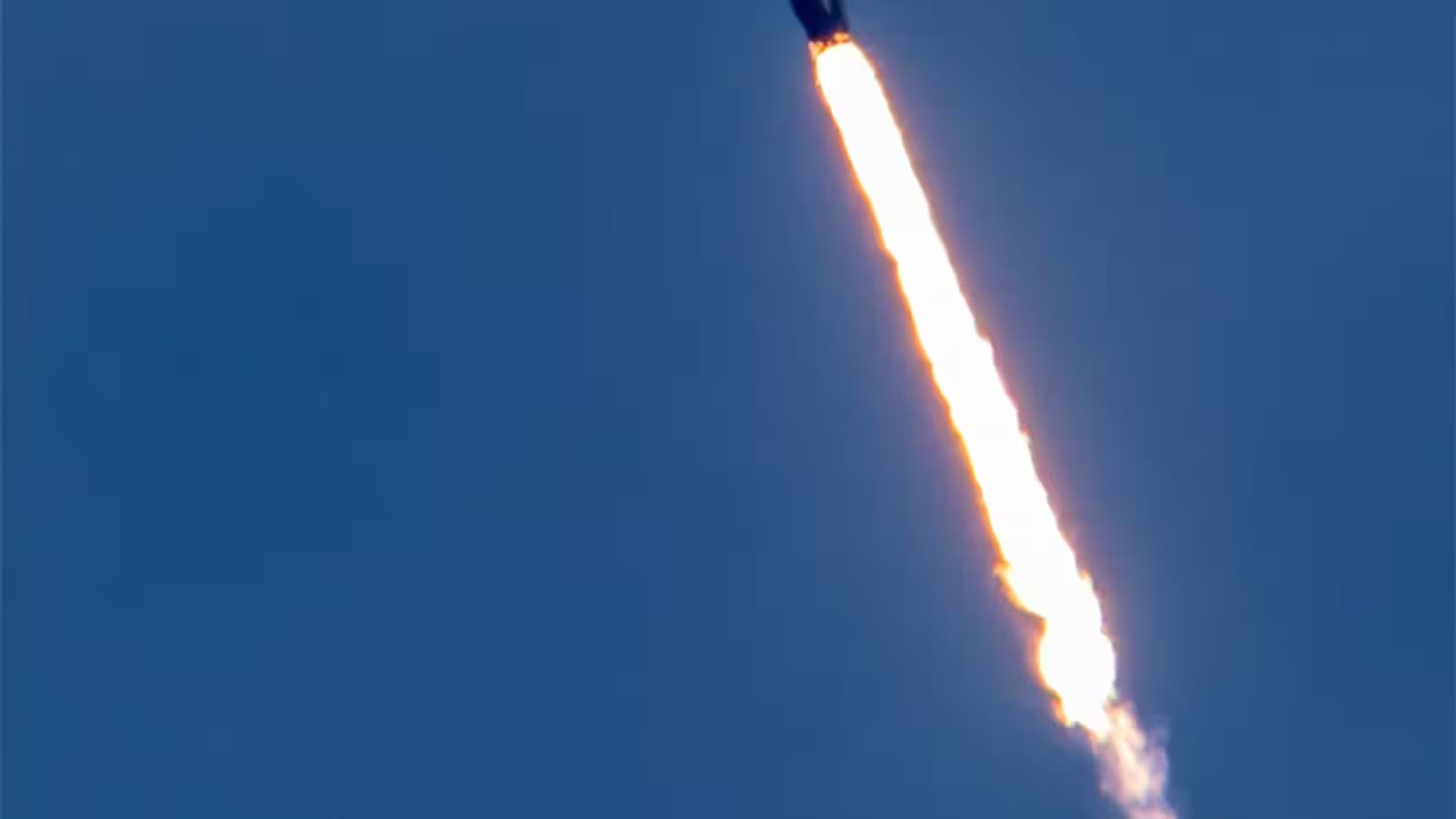
Image: ixbt.com
SpaceX kicked off a busy week of Starlink launches on 3 June 2026, lofting 24 more satellites on a Falcon 9 Block 5 from Vandenberg Space Force Base in California. The mission, Starlink-17.47, was a clean one: the payload reached orbit, and the rocket’s first stage landed back on a sea platform after its 16th flight.
The launch came at 18:40 Moscow time from SLC-4E, and it was the first of four Starlink missions SpaceX has lined up between 3 and 10 June. That pace is the point: SpaceX is no longer treating reuse as an impressive demo, but as routine operating procedure.
A 16th flight for booster B1088
The booster on this mission, B1088, has now completed 16 flights, which is exactly the kind of number that would have sounded absurd in the early Falcon 9 era. Reuse has become the backbone of SpaceX’s launch cadence, and Starlink remains the factory floor that keeps proving the model works.
Recommended reading
Magnesium oxide could shield fragile solid-state batteries
- Rocket: Falcon 9 Block 5
- Mission: Starlink-17.47
- Satellites deployed: 24
- Launch site: SLC-4E, Vandenberg Space Force Base
- Booster: B1088, used 16 times
Four Starlink missions in a single stretch
SpaceX has scheduled four Starlink launches in the June 3-10 window, and the opening mission is already done. That matters less as a headline grabber than as a reminder of the company’s real advantage: not one-off launches, but sustained tempo. Rivals can match individual feats; matching this kind of assembly-line rhythm is much harder.
The latest flight also underlines how far the company has pushed a design that was once treated as experimental. A first stage flying 16 times and still sticking the landing is the sort of boring success SpaceX likes best, because boring success is what turns spaceflight into a schedule instead of a stunt.
What comes after the first June launch
With the first of the four missions completed, the next launches will show whether SpaceX can keep the cadence tight through the rest of the week. If it does, Starlink will keep getting bigger on the back of reusable hardware, and the company’s competitors will keep being asked the same awkward question: where is your version of this machine?

Frontier Editor
Dan is our resident futurist, covering electric mobility, space exploration, and the smart home. He's interested in atoms just as much as bits. Whether it's a new battery chemistry, a reusable rocket, or a protocol that finally makes IoT devices talk to each other, Dan breaks down the engineering that pushes humanity forward.
via ixbt.com