• 2 min read
Vkusno — i Tochka keeps people on the restaurant floor
Vkusno — i Tochka says robots can handle cleaning, delivery, and stock work, but guest-facing service will stay human for now.
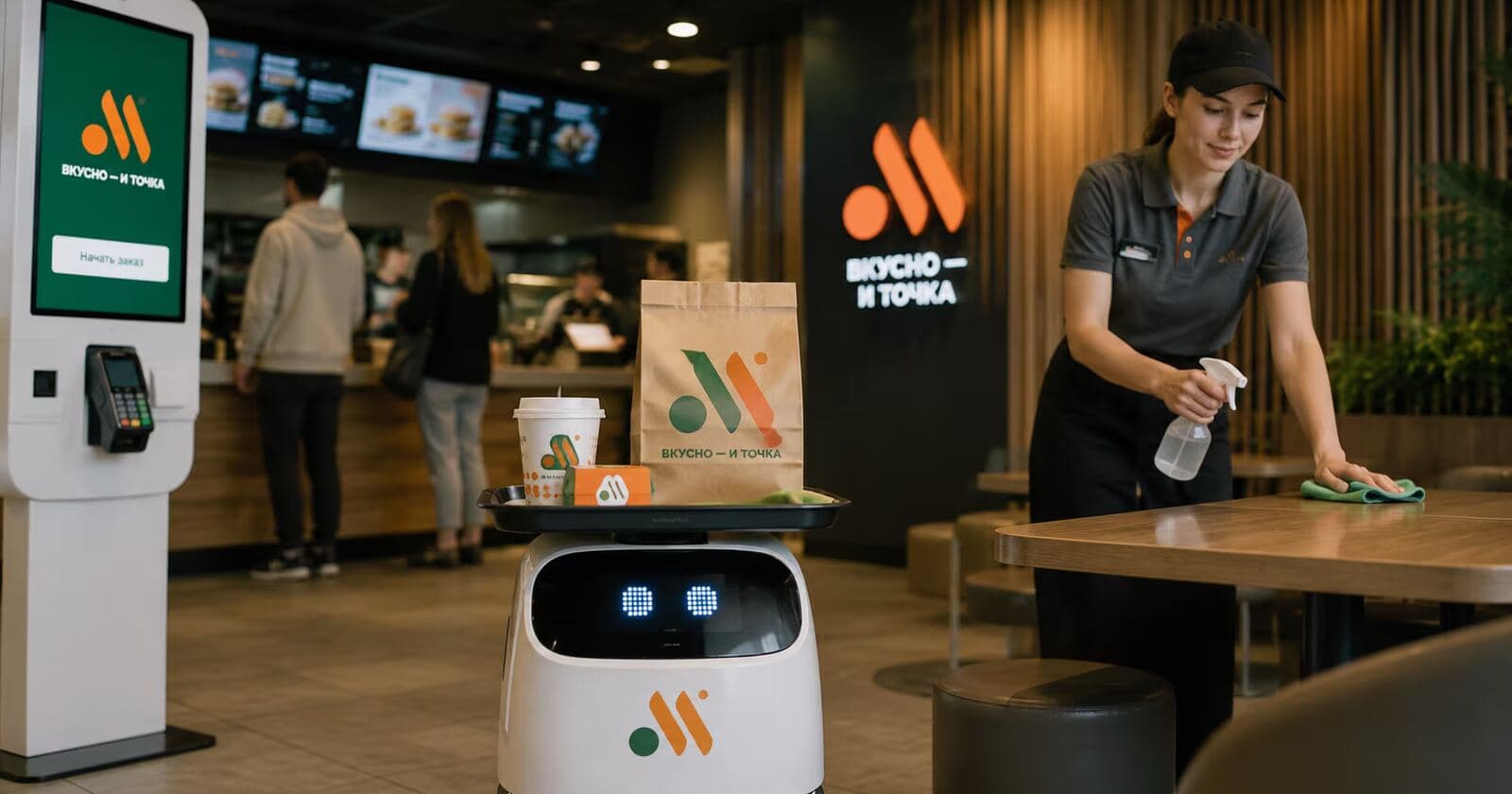
Image: ITzine
Vkusno — i Tochka says robots can already take over parts of restaurant routine work, but they are not expected to replace staff on the floor. The chain wants machines to handle order delivery, cleaning, and warehouse tasks, while employees remain responsible for guest interactions and situations where a human touch is still necessary.
That is the company’s core logic: automation should remove repetitive work, not replace staff outright. Executives say that trying to push every process into machines at once could raise operating costs — and, in turn, menu prices.
That stance fits broader market practice. Cafes and fast-food chains around the world are testing automation for cleaning, delivery, and order handoff. In Russia, similar trials are already underway at major food-service chains and in shopping-mall food courts, but they have not led to fully mechanized shifts either.
Recommended reading
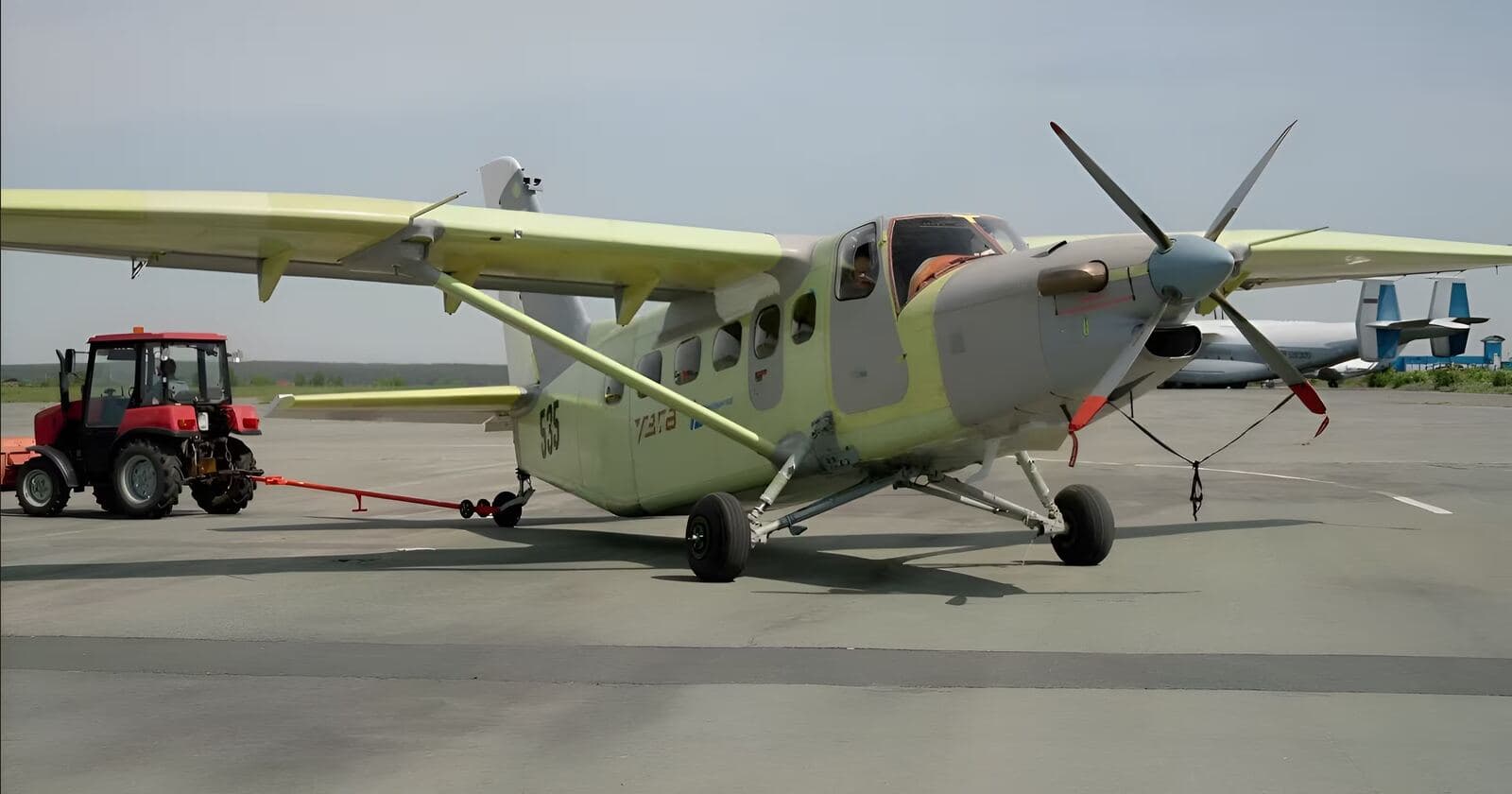
Baikal plane factory posts mechanic jobs from 37,200 rubles
Vkusno — i Tochka also argues that guests often care less about record-setting speed than about decent, live service, especially when an order has to be remade or something goes wrong at the register. At its pilot restaurant in Gorky Park, the company is testing cleaning robots and new self-service formats, but it is not removing people from the service chain.
For now, the chain is measuring where automation actually saves time and money — and where it simply adds costs. If the pilots show clear results, the company could expand those systems to other locations. But for the role of a universal “robot waiter,” the human worker still appears to be keeping the job.

Enterprise Editor
Marcus follows the money. He covers enterprise software, cloud architecture, and the tectonic shifts in Big Tech strategy. He translates dense earnings calls and complex M&A activity into actionable insights about where the industry is actually heading. If a tech giant makes a silent pivot, Marcus is usually the first to notice.
via ITzine