• 2 min read
Russian rocket Voronezh gets another 100 million rubles
The Voshod fund has added 100 million rubles to Russia’s private Voronezh rocket project, bringing total disclosed funding to 280 million rubles.
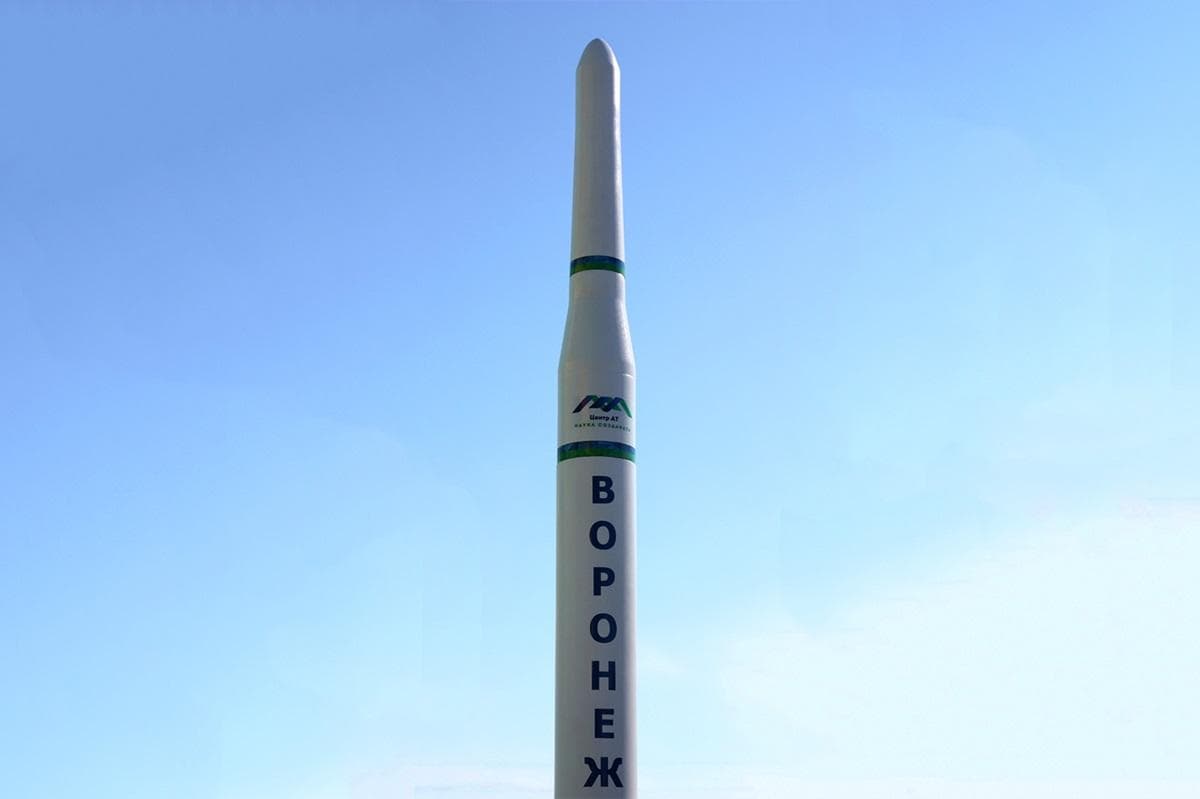
Image: iXBT
Russia’s private Voronezh rocket project has secured another 100 million rubles, with the Voshod fund making its second investment in the launcher. The fund’s anchor investor is Vladimir Potanin’s Interros group.
According to the report, Voshod previously invested 120 million rubles in 2023, while the Foundation for Assistance to Innovations provided 60 million rubles in 2025. That brings the project’s total disclosed funding to 280 million rubles.
Voronezh is being developed by 3D Research and Development as an ultralight launch vehicle for putting small satellites into orbit. The rocket is expected to have a launch mass of about 35 tons and carry payloads of up to 350 kg to low Earth orbit at altitudes of up to 500 km. The target missions include small Earth observation spacecraft, communications satellites — including Internet of Things systems — and navigation payloads. One of the rocket’s main proposed roles is the rapid replacement of satellites lost from an orbital constellation.
The new funding will be used to build the NK-3 liquid rocket engine and complete the rocket’s conceptual design phase. The engine is being developed jointly with UEC-Kuznetsov, part of Rostec, and is based on the steering chamber of the proven RD-107A engine used on the Soyuz rocket. The plan calls for three modifications: two for the first stage and one for the second stage.
Recommended reading
Russia says ROS will open a new era beyond the ISS
The report says the conceptual design stage has now been completed, and work has moved on to creating detailed engineering documentation. Hot-fire tests of the NK-3 engine are planned for the end of 2027, while the first launch of the Voronezh rocket is scheduled for December 2029 from the Vostochny Cosmodrome.
Earlier, Voronezh was described as the first private rocket in Russia to receive approval from Roscosmos, allowing the project to move into development work and then testing.

Frontier Editor
Dan is our resident futurist, covering electric mobility, space exploration, and the smart home. He's interested in atoms just as much as bits. Whether it's a new battery chemistry, a reusable rocket, or a protocol that finally makes IoT devices talk to each other, Dan breaks down the engineering that pushes humanity forward.
via iXBT