• 3 min read
Apple’s rumored low-cost MacBook Neo may run on iPhone chip, signaling fresh direction
Apple is rumored to unveil a new low-cost MacBook called the “MacBook Neo,” a device reportedly running on the company’s A18 Pro chip derived from iPhone silicon. This marks a notable shift from Apple’s traditional lapto
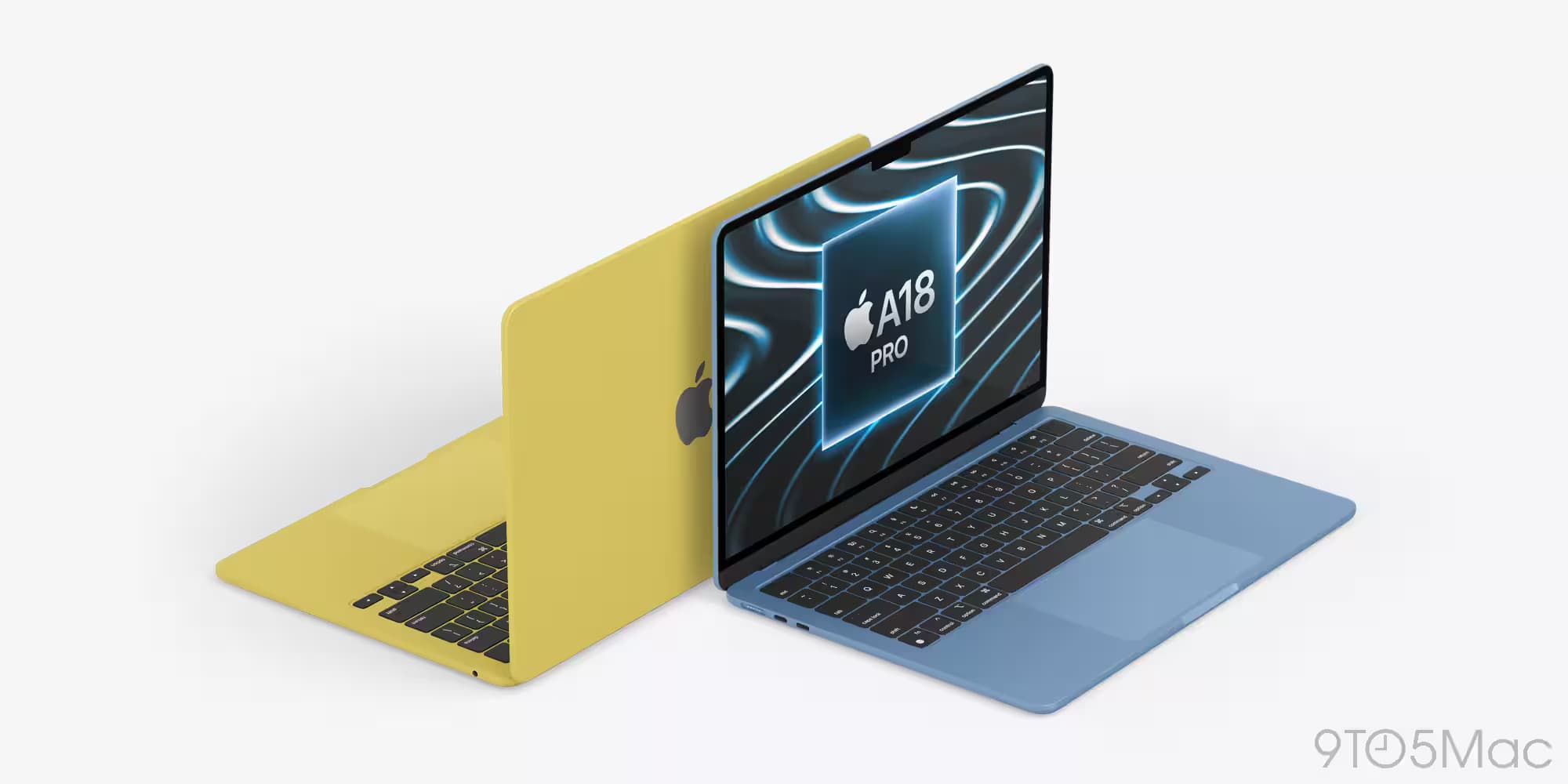
Image: 9to5Mac
Apple is rumored to unveil a new low-cost MacBook called the “MacBook Neo,” a device reportedly running on the company’s A18 Pro chip derived from iPhone silicon. This marks a notable shift from Apple’s traditional laptop processors and hints at a more affordable entry into the MacBook lineup, potentially below the existing MacBook Air models.
The “MacBook Neo” moniker emerged from a now-removed regulatory filing spotted by MacRumors. Unlike prior MacBooks, which have used names like “Air” or simply “MacBook,” Neo suggests a fresh category possibly aimed at customers seeking an ultra-lightweight, compact laptop powered by the same chip architecture that drives iPhones.
This approach aligns with Apple’s strategy to leverage its own ARM-based chips across more product lines, helping optimize power consumption and cost. However, the new MacBook Neo would almost certainly sacrifice some high-end performance elements traditionally associated with laptop-class processors in favor of greater efficiency and affordability.
A new chapter for Apple’s laptop lineup
The A18 Pro, reportedly powering this device, represents the latest iteration of Apple’s in-house chip designs focused primarily on mobile devices. Incorporating this chip into a Mac signals two key things: a continued push to unify Apple’s silicon ecosystem, and a bid to drive costs down for entry-level laptops.

Recommended reading
These 5 iOS 27 tweaks quietly fix daily iPhone annoyances
Apple’s recent product launches this week already feature advanced variants of the M5 chip in MacBook Air and Pro models, which offer robust performance and professional-grade capabilities. The MacBook Neo, in contrast, may offer a smaller, less powerful option hunting for buyers attracted by price and portability rather than raw speed.
This model’s launch may help Apple tap into markets hesitant to invest in pricier laptops but still interested in the Mac experience. It also reflects the growing trend of ARM-based chips configured for laptops, which has been boosted by Apple’s early adoption with its M-series processors.
What this means for Apple and laptop users
If Apple indeed releases the MacBook Neo as expected, it would expand the Mac ecosystem by bridging the gap between powerful MacBooks and portable iOS devices. The use of an iPhone-derived chip could mean longer battery life and less heat generation but also tighter constraints on performance-heavy applications.
Competitors like Microsoft and Lenovo have experimented with ARM-powered laptops, but Apple’s tight integration of hardware and software gives it an edge in delivering smooth user experiences on unfamiliar silicon architecture. Yet some users may hesitate if the new MacBook lacks key MacBook Air features, like a full-sized keyboard or more demanding multitasking capability.
The timing is also interesting: Apple scheduled a media event reportedly focused on this product shortly after releasing new iPhones, iPads, and higher-end MacBooks equipped with M5 chips and new Studio Displays. The Neo might be a strategic pivot to win budget-conscious consumers without undercutting its premium product lines.
Ultimately, the MacBook Neo could act as a testbed for Apple’s vision of future laptops, where mobile-class chips form the core of ultra-thin, affordable Mac hardware. Whether it becomes a compelling choice or a niche branching remains to be seen when the product officially launches.

Gadgets Editor
Eli is obsessed with the tangible future. He reviews phones, wearables, and everything with a battery. Known for his rigorous testing protocols and unabashed teardowns, Eli has broken more review units than he cares to admit, all in the name of discovering the truth about durability and repairability.
via 9to5Mac