• 4 min read
Boring laptops are making a comeback
After years of thinner, sealed designs, laptops are adding back ports, better keyboards, and easier repairs. Framework is leading, but Apple is shifting too.
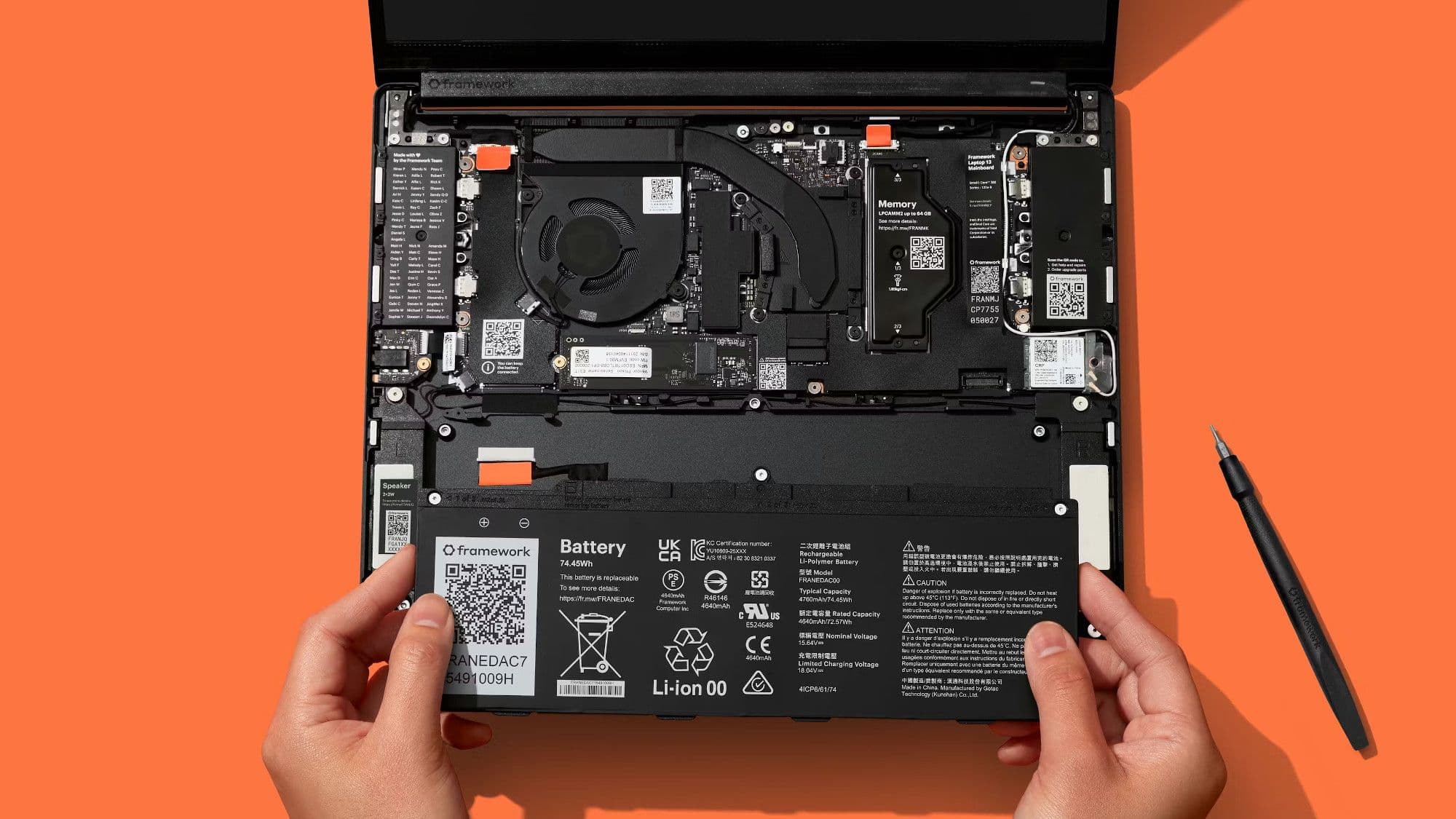
Image: TechRadar
For years, laptop makers treated thinness as progress. That meant fewer ports, shallower keyboards, glued-in batteries, and more soldered parts — all in the name of cleaner design. In 2026, that approach is starting to look dated.
Premium laptops are bringing back HDMI, SD card slots, and better keyboards, while some vendors are also making batteries, storage, and ports easier to replace. The shift is not flashy, but it matters: a laptop that connects to your gear, feels good to type on, and can be repaired is often more useful than one that simply looks slimmer.
Over the past 10 years, laptop design moved steadily toward thinner and lighter machines. Some of that brought real gains — modern laptops are faster, quieter, and easier to carry, with chip improvements delivering more power than ever. But minimalism often went too far.
Removing an HDMI port saved a little space but forced users to carry dongles. Soldered storage locked buyers into the specs they chose on day one. Those trade-offs were often sold as unavoidable, even when they made laptops less flexible and harder to keep alive.

Recommended reading
SanDisk’s 4TB CFexpress card costs $4,400
Several of those choices have since been reversed. Apple moved away from its problematic keyboard design and restored HDMI, MagSafe, and an SD card slot to the MacBook Pro. Surface devices now have replaceable batteries, displays, SSDs, and keyboards, while Dell and Lenovo use modular USB-C ports in some laptops so damaged sockets can be swapped without replacing the motherboard.
Framework’s repair-first laptop design
Framework has pushed this idea further than anyone else. Its laptops are built around replaceable and upgradeable parts, including:
- memory
- storage
- battery
- keyboard
- display
- ports
- even the mainboard
Its expansion cards let owners swap connections such as USB-C, HDMI, and an SD card reader. Someone who bought a Framework Laptop 13 several years ago can install a newer mainboard or display without replacing the whole machine.
That makes the design useful for both current owners and second-hand buyers. A worn battery or aging internals do not have to turn the laptop into e-waste. The unchanged chassis also helps parts made years apart work together — a practical choice that matters more than another cosmetic redesign.
There are limits. Framework laptops can cost more than sealed rivals with similar specs, and earlier models have not always matched the best laptops for battery life or overall polish. Their long-term value also depends on a relatively small company continuing to support the platform.
Apple’s MacBook Neo and the broader shift
The source argues that Apple’s new MacBook Neo is a more cautious version of the same trend. Its battery is screwed into place, several ports sit on replaceable boards, and parts including the display, speakers, and trackpad can be removed without the heavy use of adhesive seen in many recent MacBooks.
Apple also published a repair manual at launch, and iFixit gave the laptop 6 out of 10 — the best score for a MacBook in around 14 years. But the Neo is more repairable than upgradeable: memory and storage are soldered, so buyers are stuck with their original configuration for the life of the machine. The article also notes crazy price hikes due to the AI memory boom, making those decisions more expensive upfront.
It also has compromises. One of its two USB-C ports is limited to USB 2 speeds, and it lacks a backlit keyboard. Still, easier repair matters, especially on an entry-level machine where one big repair bill can make replacement seem cheaper.
Even for people who never open a laptop, repairability has clear benefits. Independent repair shops, school technicians, and company IT teams all have a better chance of fixing faults when parts are accessible. A worn battery can become a routine repair instead of a reason to replace the machine; a damaged charging socket can be swapped as a small part rather than requiring motherboard-scale work.
The same goes for keyboards and ports. They are among the most heavily used parts of any laptop, yet they were often sacrificed for thinness or appearance. In day-to-day use, a comfortable keyboard and the right set of ports matter more than shaving a little more from the lid.
The larger point is simple: the best computers often fade into the background. Users do not want to admire design “courage” every time they plug in a monitor, type for hours, or need a new battery. They want a machine that works and keeps working.
Framework has made that philosophy central to its products, and the MacBook Neo suggests parts of it can survive in a mainstream laptop. That will not undo years of sealed design overnight, but it does point to a different measure of progress: not how quickly a laptop looks old, but how long it stays useful.

Computing Editor
Tomas lives in the terminal. He covers chips, laptops, and operating systems with a focus on performance and efficiency. He reads kernel changelogs the way other people read fiction, and he's always on the hunt for the perfect mechanical keyboard switch. If it processes data, Tomas has an opinion on it.
via TechRadar