• 2 min read
CATL and Alfen plan 5GWh sodium-ion storage in Europe
CATL and Dutch firm Alfen will deploy 5GWh of sodium-ion energy storage in Europe, with first sites slated for 2027.
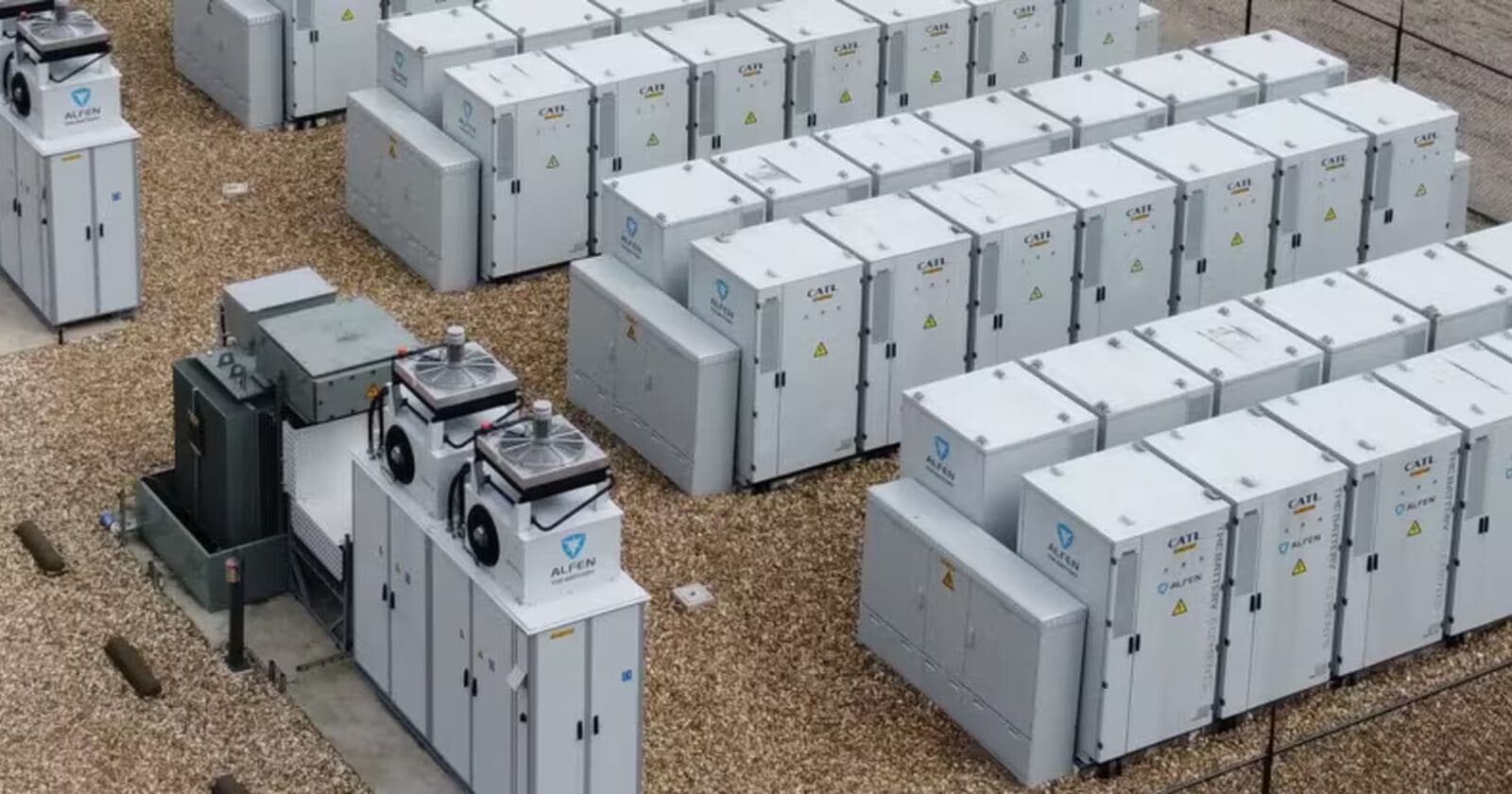
Image: ITzine
CATL and Dutch company Alfen say they will deploy 5 GWh of Tener Sodium energy storage systems across Europe, marking a clear shift in their partnership toward sodium-ion batteries. The two companies have worked together since 2023, but Alfen had previously installed CATL’s lithium-ion systems. The first projects are scheduled to go live in 2027.
The pitch is less about headline energy density and more about long-term economics. According to the companies, Tener Sodium can handle up to 15,000 cycles and operate for 25–30 years while retaining at least 70% of its original capacity. For grid-scale storage, that tradeoff can matter more than compact size: containers may be somewhat larger, but operators are less exposed to costly lithium and its price swings.
CATL also points to several technical advantages. The system runs at 690 V, improves energy conversion efficiency by nearly 2%, and cuts self-consumption to 1% — about half the typical industry level, the company says. For European operators, those fractions add up over long deployments.
Temperature performance is another selling point. CATL says the batteries retain more than 92% capacity at -20 °C and withstand more than 10,000 cycles at +45 °C without additional cooling. That could be particularly useful in southern Europe and at sites near solar plants, where less supporting infrastructure can simplify deployment and reduce maintenance.

Recommended reading
Satellite startups pull $8.1B in half a year
Sodium-ion batteries have long been seen as a strong candidate for stationary storage, but large commercial rollouts in Europe have remained limited. The chemistry typically trails common LFP cells in energy density, but uses more accessible materials and is better suited to fixed installations where extra weight matters less.
Other companies are pursuing similar projects, including Natron Energy in the US and Faradion, which is being developed by India’s Reliance. Demand is likely to rise as the EU aims to increase the share of renewable energy to 42.5% by 2030. If CATL and Alfen meet their 2027 timeline, the rollout would be one of the biggest real-world tests yet for sodium-ion batteries in Europe’s power market.

Frontier Editor
Dan is our resident futurist, covering electric mobility, space exploration, and the smart home. He's interested in atoms just as much as bits. Whether it's a new battery chemistry, a reusable rocket, or a protocol that finally makes IoT devices talk to each other, Dan breaks down the engineering that pushes humanity forward.
via ITzine