• 3 min read
EA pushes brand ads into PC and console games
EA wants to bring mobile-style brand integrations to PC and console games, starting at the design stage instead of bolting ads on later.

Image: ITzine
Electronic Arts is making another push to turn in-game advertising into a meaningful revenue stream for PC and console games. Speaking to The Game Business, EA vice president of advertising and sponsorships Alexandr Dao said brands can be integrated more carefully than they often are today, and that the best results come when ad mechanics are built into a game from the start.
The comparison is straightforward: mobile games have long relied on advertising and sponsorships, while premium console and PC titles have generated far less from those formats. According to The Game Business, mobile in-game advertising generated about $55 billion in 2025, excluding China. EA is clearly trying to turn brand deals from one-off placements into a steadier business.
In June 2024, the company launched EA Advertising, a platform designed to standardize how ads are delivered and measured in games built on the Frostbite engine. Rather than offering only traditional banners, EA is pitching brands on ready-made 3D assets or conversion of standard ad materials into 3D formats.
Dao said this approach fits new projects—especially free-to-play titles such as Skate—more naturally than retrofitting ad systems into older games after release. But EA is not claiming that ads belong in every game. If players respond badly, Dao said, the company is prepared to pull them and try a different format.
Recommended reading
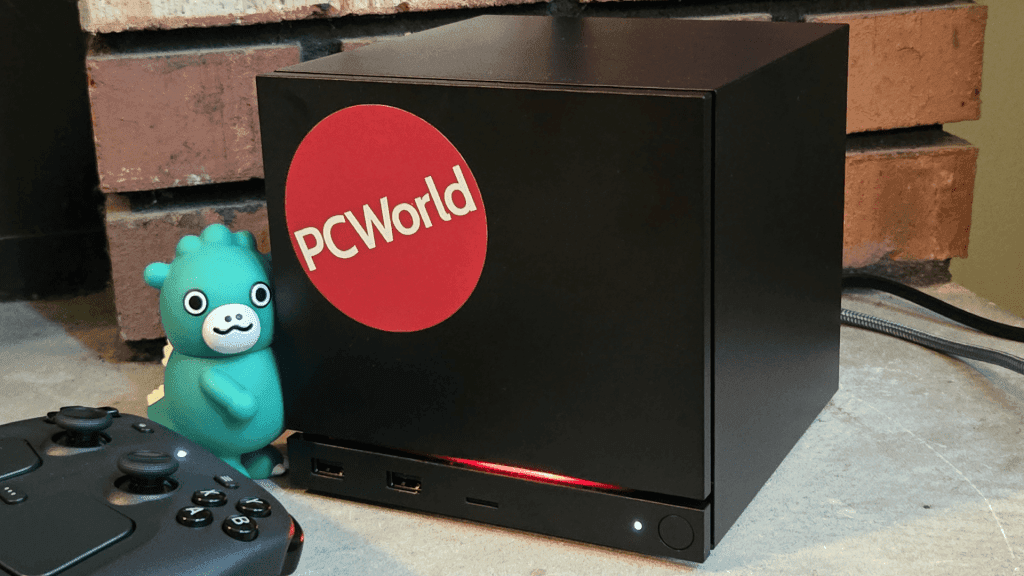
Valve’s Steam Machine charms, then stumbles on price
How EA is building its ad ecosystem
EA is also working on the broader plumbing around the business. Alongside the Interactive Advertising Bureau and Integral Ad Science, it is helping shape industry rules for how advertising should appear in games and how visibility should be measured. That matters for advertisers: without common metrics, brands are usually reluctant to buy placements, and publishers have little basis for comparing performance with mobile formats.
Dao’s pitch centers on authenticity. A good integration, in his view, should not annoy players but feel like part of the game world—and in some cases even enhance it. That helps explain EA’s focus on new releases, where designers can place branded elements into the UI, environments, and game economy without disrupting an experience that is already finished.
EA points to The Sims collaboration with Coach in early 2026 as an example. The company gave players free virtual clothing and bags, and the partnership spread quickly across social media and gaming creators. For EA’s ad business, it was close to an ideal case: the brand got visibility, players got free content, and the integration did not feel like a forced video ad before a mission.
There is still a clear limit. Dao acknowledged that some ad formats are poorly received, and in those cases EA removes them from the game. That sets a cautious tone at a time when rivals remain skeptical. In March, Take-Two CEO Strauss Zelnick said interstitial ads in $70–80 games would be unfair to buyers, while sponsored billboards in NBA 2K are more about image than a major revenue driver.
EA now looks like the publisher most willing to test whether mobile-style brand integration can work in bigger games—provided the ads are designed into the experience rather than pasted on top.

Culture Editor
Maya explores gaming, streaming, and the internet as a place where people actually live. From deep-dives into creator economies to the anthropology of digital communities, she tracks platform drama and cultural shifts so you don't have to. She believes the best tech stories are fundamentally about human behavior.
via ITzine