• 2 min read
EU EV charging rules may need country-by-country targets
A Delft model finds uniform EU EV charging targets are less cost-effective than national plans, with V1G and V2G benefits varying by energy system.
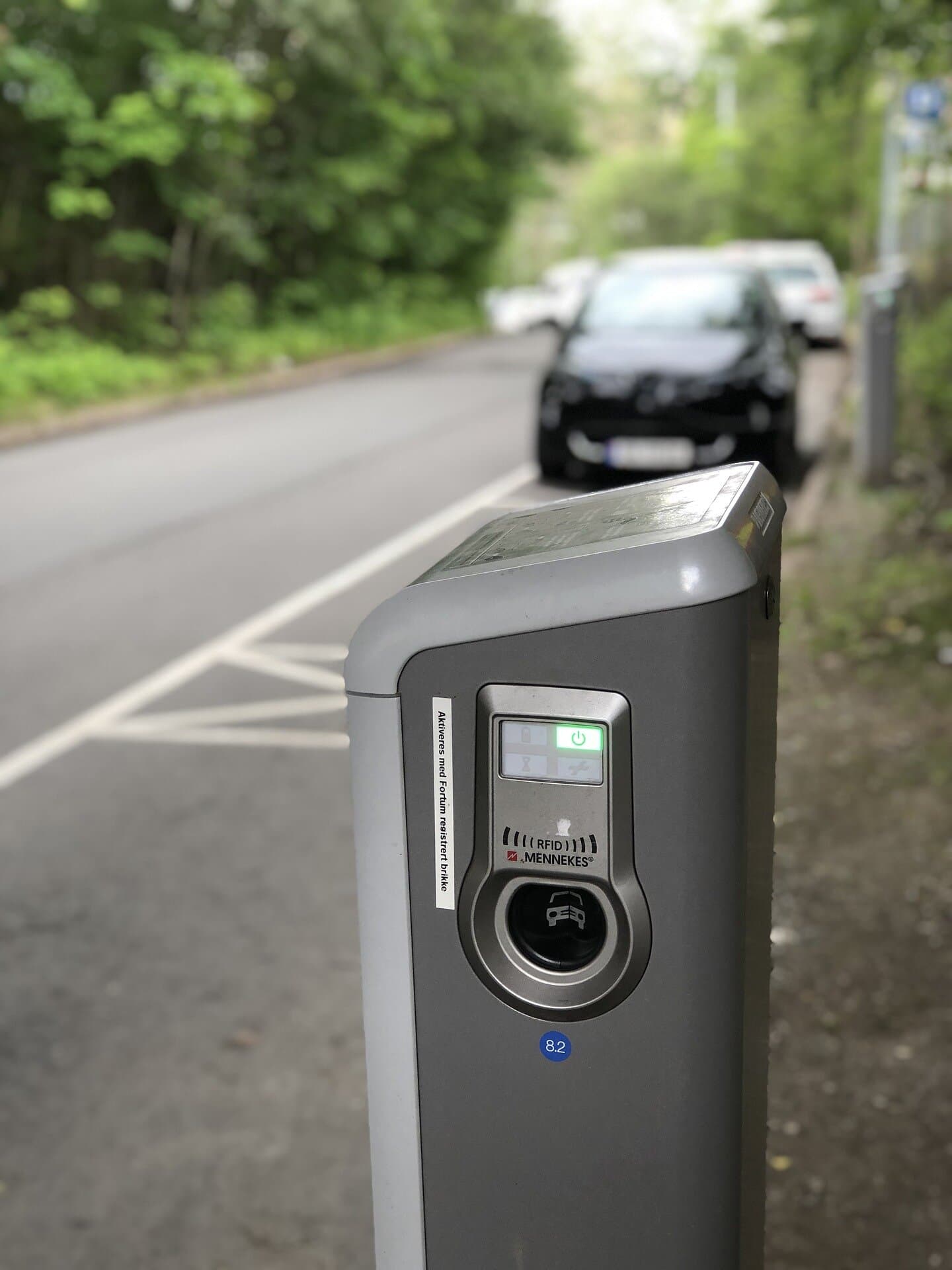
Image: TechXplore
A 2050 energy system model from Delft University of Technology suggests the EU could cut energy costs by abandoning one-size-fits-all EV charging targets. The study compares unidirectional smart charging (V1G) with vehicle-to-grid (V2G) and, for the first time, treats the rollout of both kinds of infrastructure as an optimization problem that includes their costs.
The core result is straightforward: a uniform EU benchmark is not the cheapest option. According to lead researcher Francesco Sanvito, the cost-optimal level of charging infrastructure differs by country because it depends on each national energy system. The findings were published in Nature Energy, just as the European Commission has opened a public consultation on renewing the Alternative Fuels Infrastructure Regulation (AFIR), which currently uses a common charging target across member states.
“The model shows that a uniform benchmark for the EU is not preferable. The cost-optimal level of charging infrastructure varies by country because it depends on each national energy system.”
As EV adoption rises, unmanaged charging can put more stress on the grid. Both V1G and V2G can add flexibility, but they also raise infrastructure costs. The trade-off, the researchers argue, changes from one country to another, which is why customized targets would work better than a blanket rule.
In the Netherlands, the paper says V2G could already be especially profitable because grid bottlenecks and limited flexibility in electricity demand can produce large price swings, including negative prices. Cars capable of sending power back to the grid could help stabilize the system until network upgrades are completed.
Recommended reading
Google Maps' 3D Android Auto view fixes tricky turns
But V2G is more expensive to deploy than V1G. Sanvito describes V1G as a “no-regret option” that reduces total system costs. Wider deployment of either approach increases flexibility, but also pushes up infrastructure spending and, with it, charging costs for drivers. Those higher costs can be offset by savings elsewhere in the power system, which ultimately feed through to electricity prices.
The model points to Norway as a counterexample to the Dutch case. Because Norway relies heavily on hydropower, which is steadier and easier to schedule than wind or solar, V1G appears sufficient there.
“Charging infrastructure targets and V2G mandates shouldn’t be set in isolation: Coordinated planning with the energy system is what determines whether that infrastructure unlocks real benefits or simply raises charging costs for consumers. That’s an important message for policymakers and the EU’s AFIR.”
The paper is titled “Coordinated planning of European charging infrastructure and energy system for optimal V1G and V2G deployment” and appears in Nature Energy (2026) with DOI 10.1038/s41560-026-02107-5.

Frontier Editor
Dan is our resident futurist, covering electric mobility, space exploration, and the smart home. He's interested in atoms just as much as bits. Whether it's a new battery chemistry, a reusable rocket, or a protocol that finally makes IoT devices talk to each other, Dan breaks down the engineering that pushes humanity forward.
via TechXplore