• 5 min read
Honor X80i pops up on TENAA with OLED display, up to 16GB RAM, and nearly 7000mAh battery
For Russians familiar with Honor’s history and recent market moves, this launch signals the brand’s persistence in rolling out devices tailored to different markets under similar names, a practice common in the region bu
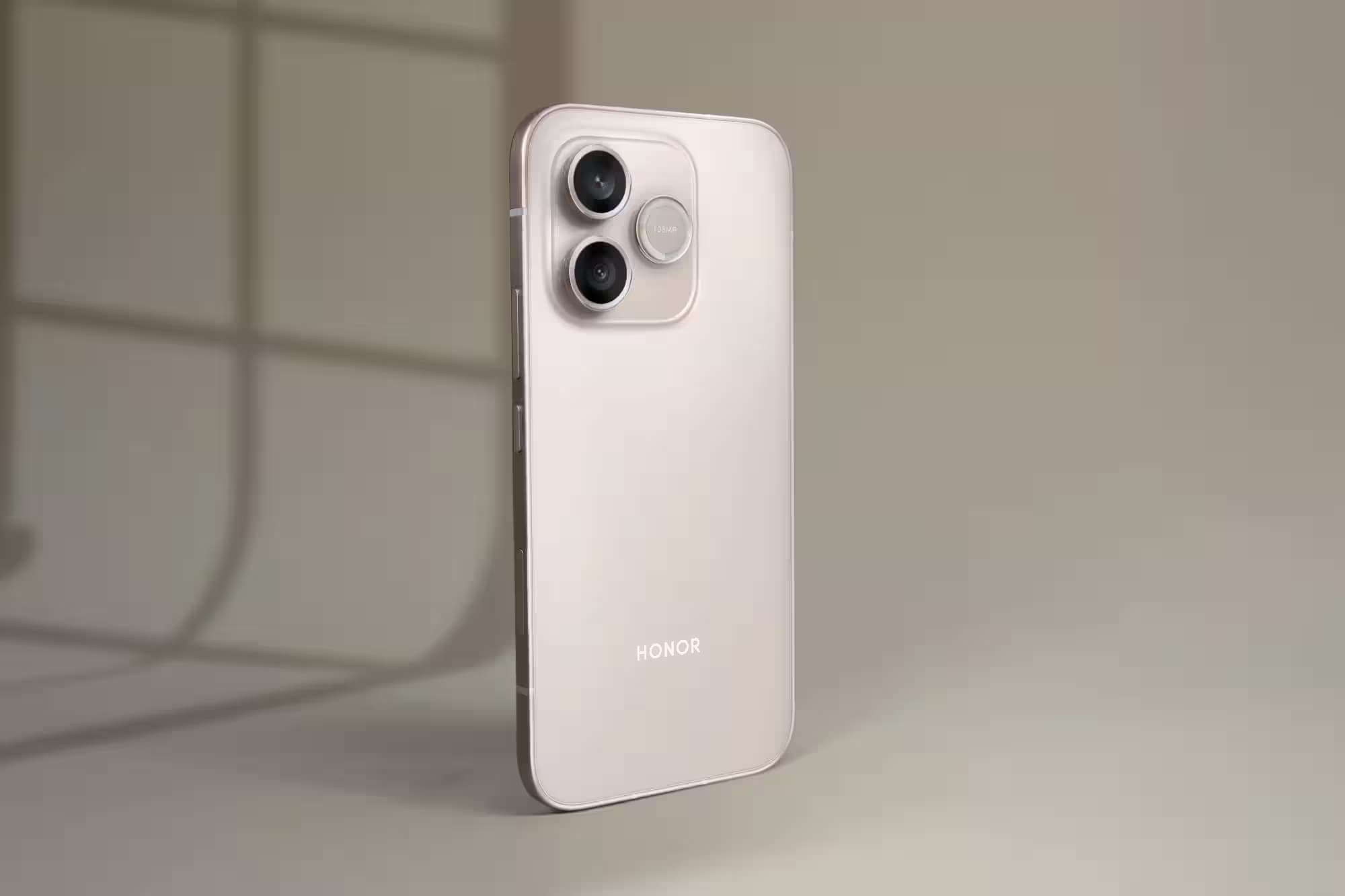
Image: gizmochina.com
For Russians familiar with Honor’s history and recent market moves, this launch signals the brand’s persistence in rolling out devices tailored to different markets under similar names, a practice common in the region but sometimes confusing internationally. The X80i could follow the strategy of offering localized models that align closely with global counterparts but with tweaks suited for Chinese consumers.
Looking ahead, if the Honor X80i does arrive soon, it may become a noteworthy contender in the sub-30,000 ruble (around $400) segment in China, which is fiercely competitive and filled with offerings from Xiaomi, Realme, and others. The specs also hint at Honor’s focus on user experience-balancing battery life, display quality, and performance-without the steep price tag typical of flagship smartphones. It’ll be interesting to see what chipset Honor chooses, as that remains an open question impacting its performance and 5G readiness.
Why it matters: For global tech fans, Honor’s continued expansion and refreshes show that even amid challenges in the smartphone market, the brand is carving out a competitive spot in mid-range to upper-mid-tier segments. The X80i’s combination of a large OLED screen, big battery, and generous RAM options suggests Honor is doubling down on delivering value-packed phones that don’t skimp on premium features like OLED panels and high-res cameras.
For Russians familiar with Honor’s history and recent market moves, this launch signals the brand’s persistence in rolling out devices tailored to different markets under similar names, a practice common in the region but sometimes confusing internationally. The X80i could follow the strategy of offering localized models that align closely with global counterparts but with tweaks suited for Chinese consumers.
Looking ahead, if the Honor X80i does arrive soon, it may become a noteworthy contender in the sub-30,000 ruble (around $400) segment in China, which is fiercely competitive and filled with offerings from Xiaomi, Realme, and others. The specs also hint at Honor’s focus on user experience-balancing battery life, display quality, and performance-without the steep price tag typical of flagship smartphones. It’ll be interesting to see what chipset Honor chooses, as that remains an open question impacting its performance and 5G readiness.
Recommended reading
Caviar puts Messi on a $13,130 Galaxy Z Fold 8 Ultra
The upcoming Honor smartphone bearing the model number LNA-AN00 has surfaced in China’s TENAA certification database. Expected to launch domestically as the Honor X80i, the listing reveals key specs including its display, battery, cameras, and memory configurations.
According to TENAA’s data, the Honor X80i will feature a 6.6-inch OLED screen with a resolution of 1200 × 2600 pixels. Powering the device is an eight-core processor clocked up to 2.6GHz, though the exact chipset model remains under wraps for now.
The handset is expected to come in several memory options: 6GB, 8GB, 12GB, and a hefty 16GB of RAM, paired with storage tiers ranging from 128GB up to a massive 1TB. The battery is listed with a nominal capacity of 6800mAh, which typically translates to an official rating around 7000mAh.
Photography duties fall to an 8MP front-facing camera for selfies, while the rear hosts a dual-camera setup headlined by a 50MP primary sensor.
The phone is also expected to sport an in-display fingerprint scanner and an infrared port. TENAA lists the dimensions at 157.43 × 75.35 × 7.34 mm, with a weight of around 185 grams-impressively slim considering its sizable battery.
While Honor has yet to announce an official launch date, TENAA listing usually signals that the X80i could make its debut in China before the end of this month.
For context, last year’s Honor X70i, targeted at the Chinese market, bore a strong resemblance in specs to the global Honor 400 Lite. It’s likely the X80i will similarly mirror the recently launched Honor 600 Lite for international audiences.
Why it matters: For global tech fans, Honor’s continued expansion and refreshes show that even amid challenges in the smartphone market, the brand is carving out a competitive spot in mid-range to upper-mid-tier segments. The X80i’s combination of a large OLED screen, big battery, and generous RAM options suggests Honor is doubling down on delivering value-packed phones that don’t skimp on premium features like OLED panels and high-res cameras.
For Russians familiar with Honor’s history and recent market moves, this launch signals the brand’s persistence in rolling out devices tailored to different markets under similar names, a practice common in the region but sometimes confusing internationally. The X80i could follow the strategy of offering localized models that align closely with global counterparts but with tweaks suited for Chinese consumers.
Looking ahead, if the Honor X80i does arrive soon, it may become a noteworthy contender in the sub-30,000 ruble (around $400) segment in China, which is fiercely competitive and filled with offerings from Xiaomi, Realme, and others. The specs also hint at Honor’s focus on user experience-balancing battery life, display quality, and performance-without the steep price tag typical of flagship smartphones. It’ll be interesting to see what chipset Honor chooses, as that remains an open question impacting its performance and 5G readiness.

Gadgets Editor
Eli is obsessed with the tangible future. He reviews phones, wearables, and everything with a battery. Known for his rigorous testing protocols and unabashed teardowns, Eli has broken more review units than he cares to admit, all in the name of discovering the truth about durability and repairability.
via gizmochina.com