• 2 min read
HWMonitor restores hidden Hotspot on GeForce RTX 50
HWMonitor 1.65 can again read the hidden Hotspot sensor on GeForce RTX 50 cards, exposing local overheating that average GPU temps can miss.
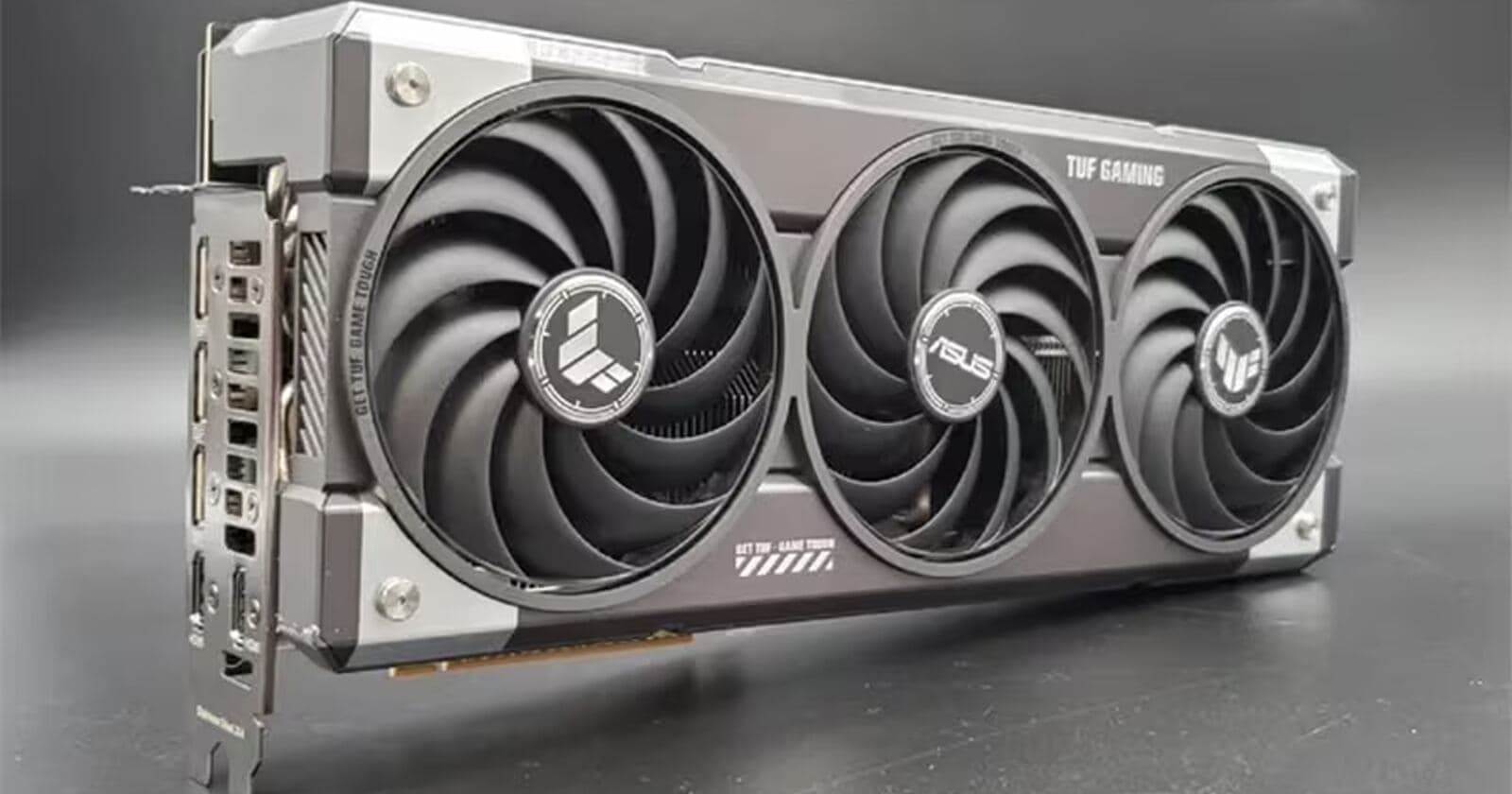
Image: 3dnews
HWMonitor 1.65 has restored Hotspot monitoring for GeForce RTX 50 GPUs, bringing back a sensor reading that Nvidia had effectively hidden from third-party tools. Unlike the standard GPU temperature, Hotspot shows the hottest point on the die — often the first place where thermal throttling starts.
When the Blackwell generation launched, users noticed that familiar utilities including GPU-Z, MSI Afterburner, and HWInfo could no longer read Hotspot data. Earlier generations exposed that value normally, so it initially looked like Nvidia had removed the sensor. It later became clear that access had been blocked at the driver level instead.
Brazilian graphics card repair specialist Paulo Gomes helped uncover that. Using Nvidia MODS, the company’s own diagnostic suite for testing and servicing GPUs, he was able to read the hidden Hotspot values. That showed the sensor was still present on Blackwell cards — third-party software just couldn’t reach it.
The issue came into focus with a GeForce RTX 5070 Ti that behaved oddly. In Windows, the GPU temperature stayed below 68 °C, but the fans were spinning much faster than expected and performance sometimes dipped. Through MODS, Gomes found the card’s Hotspot had already reached 107 °C — exactly the threshold where the GPU starts cutting clock speeds to avoid overheating.
After disassembly, the problem turned out not to be the chip itself but the cooling system: the heatsink wasn’t making proper contact with the die, and the thermal paste had been applied unevenly. Replacing the thermal interface material dropped Hotspot to around 100 °C and eliminated throttling.
Recommended reading
SanDisk’s 4TB CFexpress card costs $4,400
That is why the sensor matters. Average GPU temperature can look perfectly normal while a localized hot zone is already reducing clocks and ramping fan noise.
Support for the hidden reading spread quickly after Gomes published his findings. CPUID HWMonitor 1.65 added it first, CapFrameX then reported a similar feature, and beta versions of HWInfo can already work with the new telemetry-reading method.
So far, checks of healthy cards do not suggest a widespread problem. One tested GeForce RTX 5070 Ti showed a GPU temperature of about 62–63 °C with a Hotspot in the 75–85 °C range, which the source says is normal for modern GPUs. The remaining question is for Nvidia: if the sensor is important enough for internal diagnostics, users will expect to see it in standard monitoring tools too — as they already can on AMD and Intel hardware.

Computing Editor
Tomas lives in the terminal. He covers chips, laptops, and operating systems with a focus on performance and efficiency. He reads kernel changelogs the way other people read fiction, and he's always on the hunt for the perfect mechanical keyboard switch. If it processes data, Tomas has an opinion on it.
via ITzine