• 3 min read
A New iPhone Can Realistically Last 6–7 Years
Apple’s software support is only part of the story. Battery wear, app requirements, and chip performance usually decide when an iPhone truly feels old.
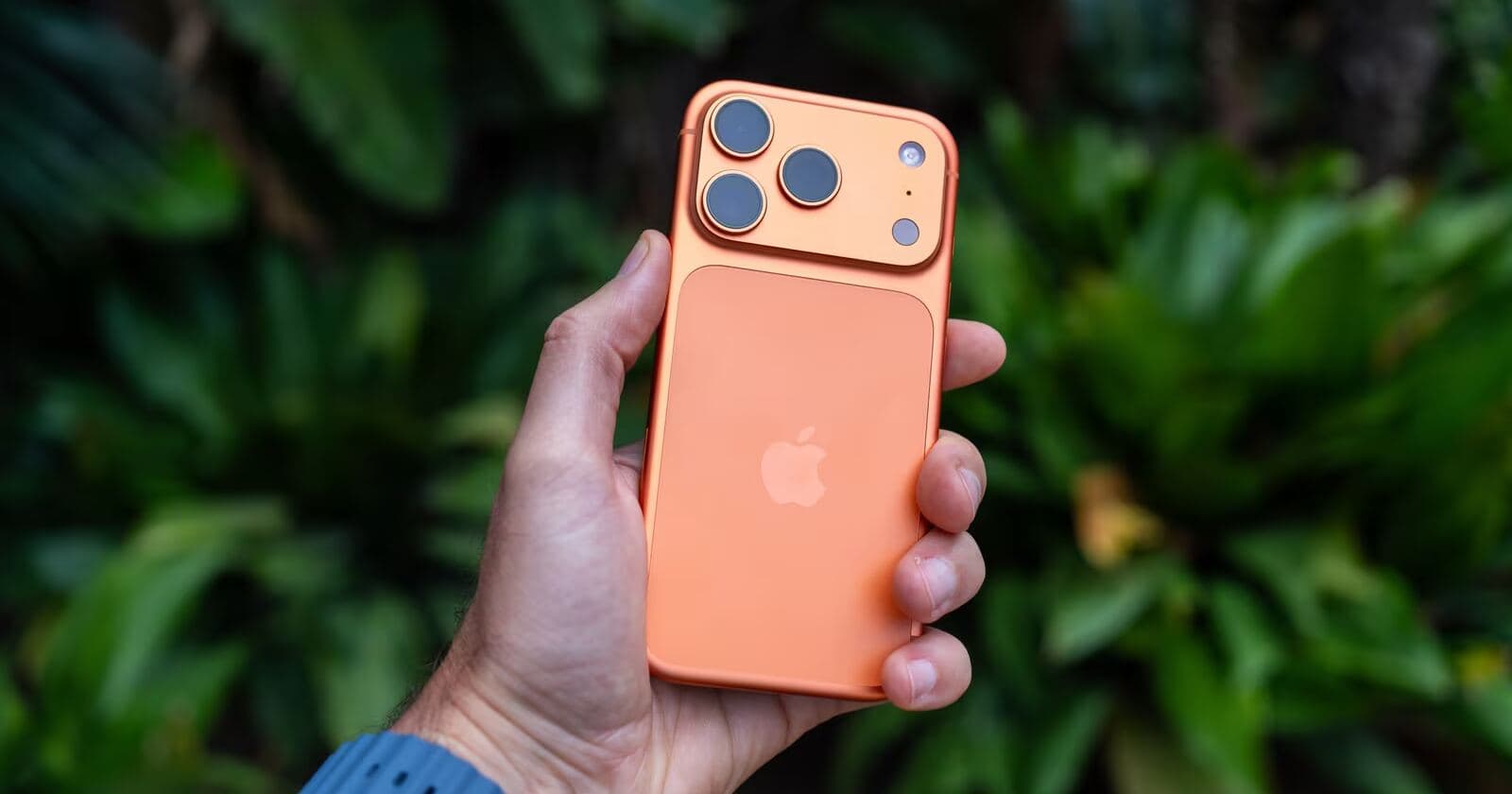
Image: ITzine
A new iPhone usually lasts much longer than annual launch cycles suggest. The real limit is not just iOS support, but a mix of battery health, processor speed, and the point when apps stop supporting older system versions.
Apple still offers one of the longest smartphone support windows on the market. At WWDC 2026, the company said the new version of iOS will remain compatible with the iPhone 11, a model released in 2019. If that pace holds, today’s iPhone 16 and iPhone 17 should have software runway until at least 2031.
But software is only half the picture. Even when a phone keeps getting security patches, the component that usually sends it into retirement is the battery, not iOS. The iPhone 15 lineup is rated for around 1,000 charge cycles before dropping to roughly 80% of its original capacity, and Apple uses the same target for current models. That is why many owners replace the battery rather than the phone itself, often getting another year or two of usable life.
What usually limits an iPhone’s lifespan is fairly predictable:
Recommended reading
Redmi 17 4G leaks with a 7,500mAh battery
- Battery degradation after hundreds of charge cycles
- New iOS releases that put more strain on older hardware through effects and background tasks
- Apps gradually raising minimum system requirements
- Hardware constraints such as memory, chip speed, and camera capabilities
There is also a practical benchmark: services do not always cut off older devices quickly. WhatsApp currently requires an iPhone running iOS 15.1 or newer, which still includes the iPhone 6s—a phone launched more than 10 years ago. For basic messaging, Apple hardware often remains usable longer than owners are willing to tolerate a slower interface.
Apple has also made battery condition easier to understand. If battery health falls below 80%, the system recommends a replacement, and performance management can be disabled manually. After the controversy over slowing older iPhones, Apple made diagnostics and device behavior much more transparent.
The phones themselves have also become more durable. Better water and dust resistance, tougher glass, and sturdier construction have reduced the odds that a drop will force an upgrade. In practice, what ages fastest is often not the phone itself but the headline features: new Siri capabilities, upgraded cameras, or extra hardware buttons may sell the next generation, but they are not essential for everyday use.
That helps explain why many people keep the same iPhone for five years or more, often replacing only the battery. With prices rising, that habit may become even more common. Apple has already increased the cost of iPad and Mac models because of memory shortages, and the market expects similar pressure on the iPhone.
The most practical answer is simple: a new iPhone can stay current for six to seven years on software support, and with a battery replacement and careful use, it can last even longer. The real cutoff usually comes when new features and apps start pushing old hardware too hard.

Gadgets Editor
Eli is obsessed with the tangible future. He reviews phones, wearables, and everything with a battery. Known for his rigorous testing protocols and unabashed teardowns, Eli has broken more review units than he cares to admit, all in the name of discovering the truth about durability and repairability.
via ITzine