• 3 min read
Mercedes brings EV-style software to gas and hybrid SUVs
The 2027 Mercedes GLE and GLS bring software-defined vehicle features to hybrid and combustion models, extending OTA updates and AI tools beyond EVs.
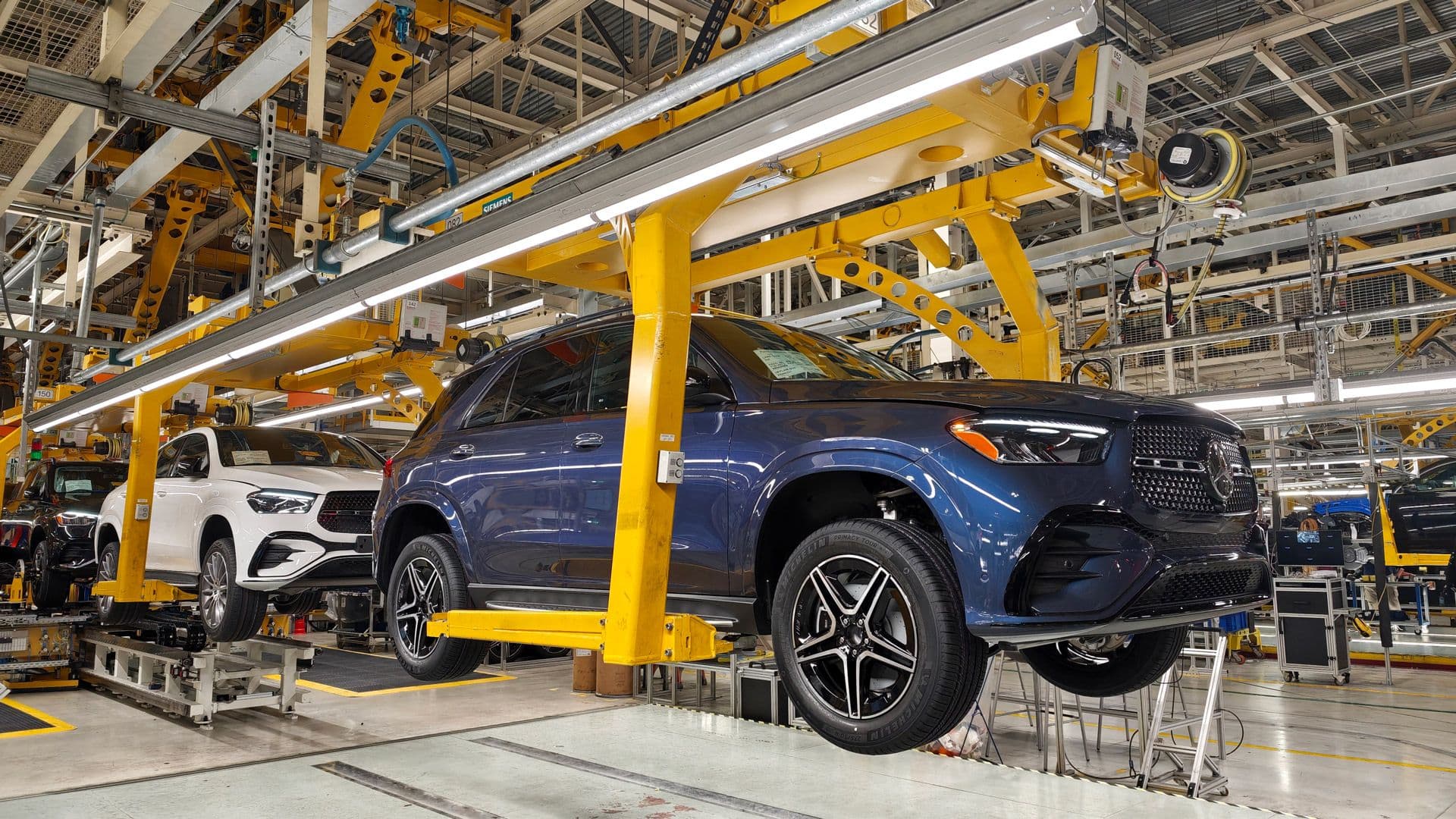
Image: TechRadar
Software-defined vehicles are no longer just an EV story. As automakers push the same OTA-driven, app-heavy architecture into hybrids and combustion models, Mercedes-Benz is using its refreshed 2027 GLE and GLS to show how far that shift can go.
For years, Tesla, followed by Rivian, Lucid, and several Chinese brands, set the pace for cars that improve through software. Legacy automakers have moved more slowly, but companies including Hyundai Motor Group, General Motors, BMW, and Mercedes-Benz are now rolling out full or partial SDVs.
An SDV is more than a car with updated maps or new infotainment features. With zonal architecture, the vehicle’s hardware modules can be updated over the air, enabling broader diagnostics, feature upgrades, and even some recalls without a dealer visit. Critics often point to subscription fatigue, but the model has also let companies like Tesla and Rivian ship free bug fixes and new features on a regular basis.
What changed in the 2027 Mercedes GLE and GLS
At Mercedes' factory near Tuscaloosa, Alabama, the company showed off the updated GLE and GLS SUVs as its first hybrid and combustion models to run MB.OS across all four domains:
- infotainment
- automated driving
- body & comfort
- driving & charging
That puts them closer to Mercedes' full SDVs, the all-electric CLA and GLC, than previous models. Mercedes says the GLE and GLS still vary in hardware, communications systems, software capabilities, and OTA deployment by platform, so they are not fully equivalent to its EV-native SDVs.
Recommended reading
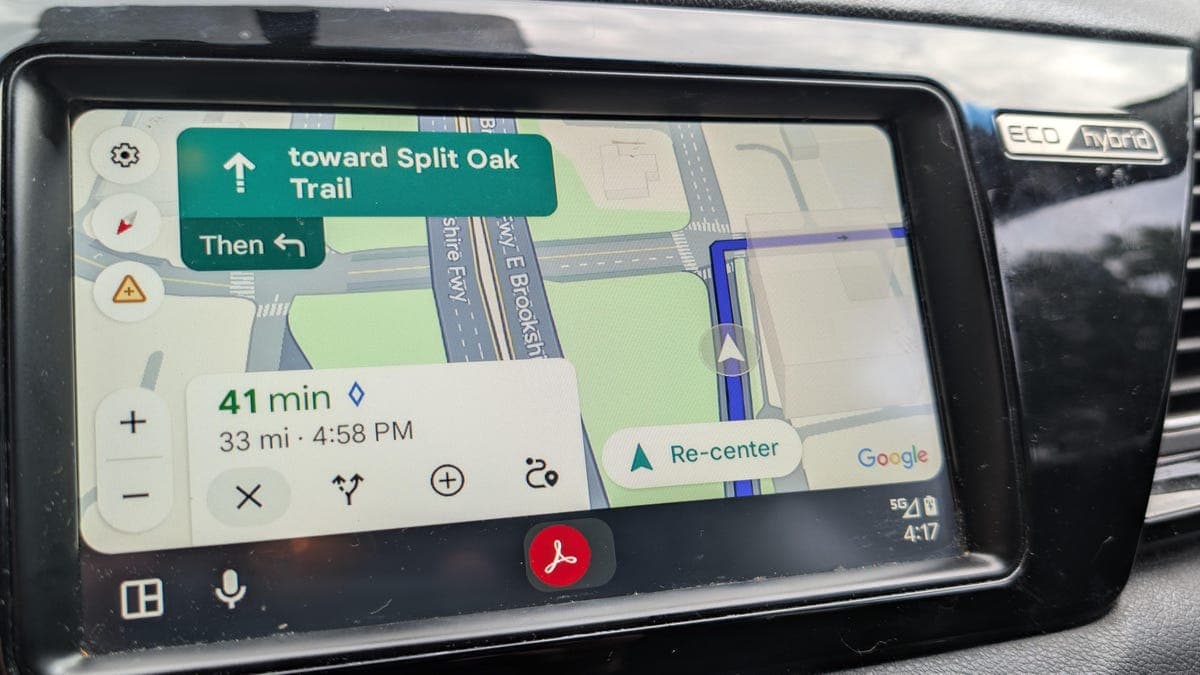
Google Maps' 3D Android Auto view fixes tricky turns
The new SUVs also get the Superscreen as standard: three 12.3-inch displays for the driver, center stack, and passenger under one glass surface. A selfie camera supports video calls when the vehicle is stopped, using apps such as Zoom from Mercedes' app store. Optional features include a 3D instrument display and head-up display.
A generative AI-powered MBUX Virtual Assistant is also included, drawing on OpenAI’s ChatGPT4o, Microsoft Bing Search, and Google Cloud’s Automotive AI Agent for navigation, depending on the task. Mercedes says it can handle natural-language requests for climate control, music, navigation, and general knowledge.
Mercedes is also bringing MB.Drive Assist Pro to the 2027 GLE and GLS, starting in China and then in the US later this year. The company’s NVIDIA-powered, point-to-point Level 2+ ADAS uses ten cameras, five radar sensors, and twelve ultrasonic sensors.
SDV architecture is spreading beyond luxury EVs
Mercedes is not alone. Hyundai Motor Group is pushing SDV ideas into more affordable hybrid and combustion vehicles, arguing that zonal architecture cuts hardware complexity, wiring, copper use, weight, and cost.
The Hyundai Grandeur sedan in South Korea and the Europe-bound IONIQ 3 SUV are Hyundai’s first proper SDVs. Both use the new Android Automotive-based Pleos Connect platform for navigation and infotainment, along with Hyundai’s App Market and Gleo AI voice assistant. Hyundai says those systems will also come to future Kia and Genesis models.
Outside China, many affordable full SDVs are still EVs first. Ford is developing its Universal Electric Vehicle (UEV) SDV platform for an all-electric small truck priced around $30,000. Volkswagen’s ID.1, due in Europe for below €20,000, is the company’s first SDV, built on zonal architecture and software developed through its partnership with Rivian.
The bigger point is simple: the software features that helped define modern EVs are beginning to reach the rest of the market too. For buyers who may stick with hybrids or combustion cars for a while longer, that could mean the same modern infotainment, OTA upgrades, AI assistants, and advanced driver-assistance features without switching drivetrains.

Frontier Editor
Dan is our resident futurist, covering electric mobility, space exploration, and the smart home. He's interested in atoms just as much as bits. Whether it's a new battery chemistry, a reusable rocket, or a protocol that finally makes IoT devices talk to each other, Dan breaks down the engineering that pushes humanity forward.
via TechRadar