• 2 min read
MIT warns bad clean-power siting could quintuple shortages
MIT says planning wind and solar with only historical weather data could increase power shortfalls fivefold by 2050 in some scenarios.
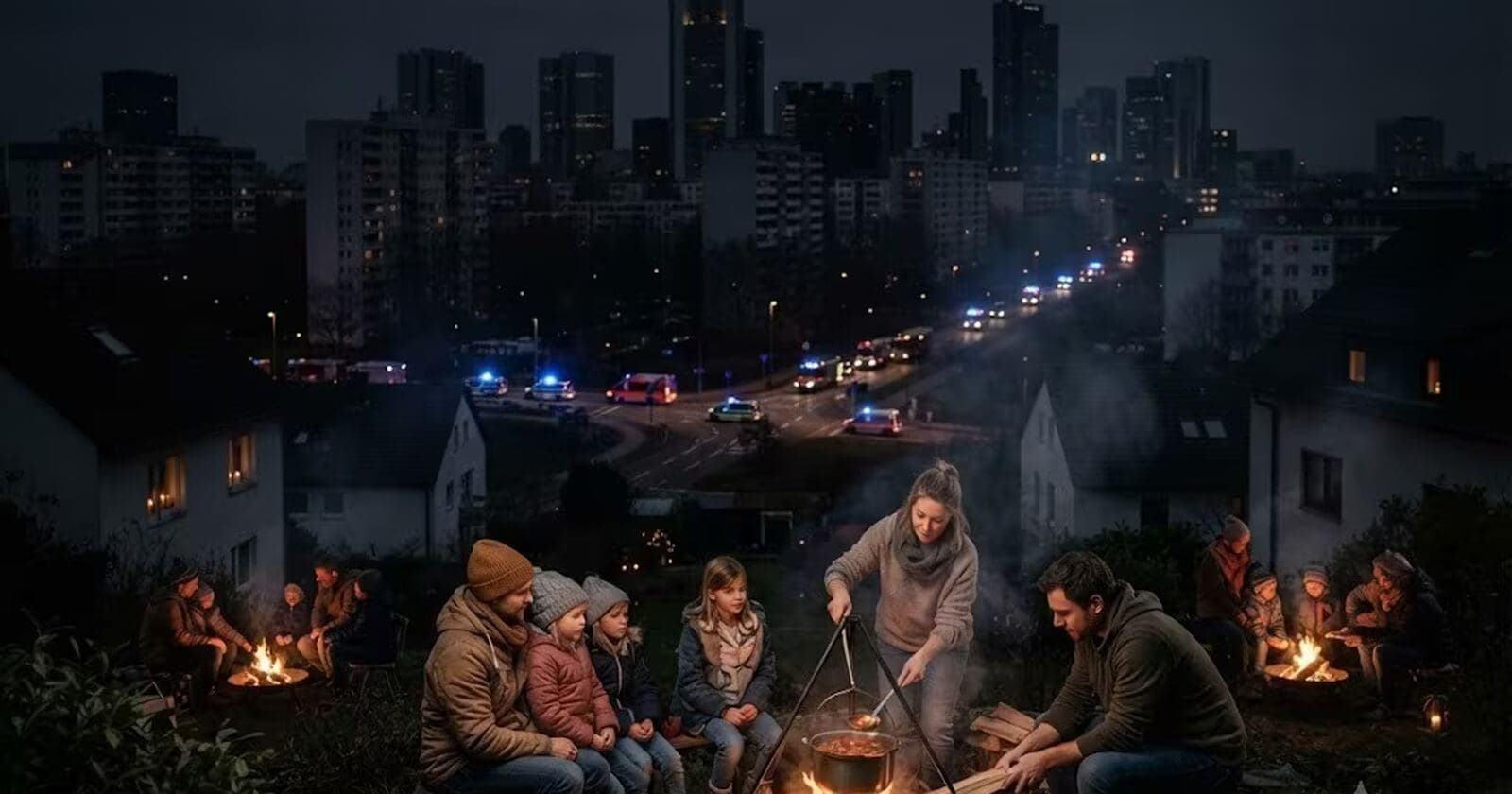
Image: ITzine
Planning wind and solar projects around historical weather alone could make electricity shortfalls five times worse by 2050 in some scenarios, according to MIT researchers. For grids already facing rising demand from data centers, electric vehicles, and heating that no longer relies on gas, that is a costly mistake.
The team modeled two decarbonized power systems — New England and Texas — and found that factoring in future climate conditions reduced the risk of power shortages without a meaningful rise in cost. Their point is straightforward: a site that looks ideal based on archived weather records may perform much worse in a future shaped by different heat patterns, storms, and droughts.
That matters because both renewable generation and electricity demand are tightly tied to weather. Heat can drive up cooling demand, cold can lift heating loads, and a single storm can cut generation, raise consumption, and damage grid infrastructure at the same time. MIT’s analysis focused not just on averages, but on these overlapping extremes, where climate risk becomes a planning problem rather than a reporting exercise.
The researchers combined detailed meteorological data with power-system models and compared siting decisions based on historical weather versus climate projections. They looked at:
- generation output
- changes in electricity demand
- the effects of extreme events across multiple parts of the power system at once
Climate scenarios for future grids
The issue is becoming harder to ignore as electricity demand rises in the US and Europe, pushed by EVs, heat pumps, and new computing capacity for AI. In some regions, the shift away from gas in heating and industry adds even more pressure. Yet many renewable projects are still planned using older climate maps because they are cheaper, easier to access, and already embedded in industry practice.
Recommended reading
US Clears First Mirror Satellite to Beam Sunlight at Night
Recent events have exposed the risk. The 2021 winter storm in Texas showed how grid failures and generation outages can coincide with a sharp jump in demand. In Europe, grid operators are increasingly recalculating supply-demand balances in both summer and winter because of extreme temperatures and unusual wind patterns.
“It is important not only how much renewable energy we add, but also where and when we place it.”
MIT says the current limitation is practical, not conceptual: these assessments require expensive, high-resolution models that are hard for utilities to fold into routine planning. The group’s next goal is to make the forecasts faster and cheaper, so climate-based planning can be used for real projects, not just presentations.

Frontier Editor
Dan is our resident futurist, covering electric mobility, space exploration, and the smart home. He's interested in atoms just as much as bits. Whether it's a new battery chemistry, a reusable rocket, or a protocol that finally makes IoT devices talk to each other, Dan breaks down the engineering that pushes humanity forward.
via ITzine