• 2 min read
NASA bumps SunRISE to Falcon Heavy after Vulcan issue
NASA has moved the SunRISE mission from ULA’s Vulcan Centaur to SpaceX Falcon Heavy after a booster anomaly on Vulcan’s fourth flight.
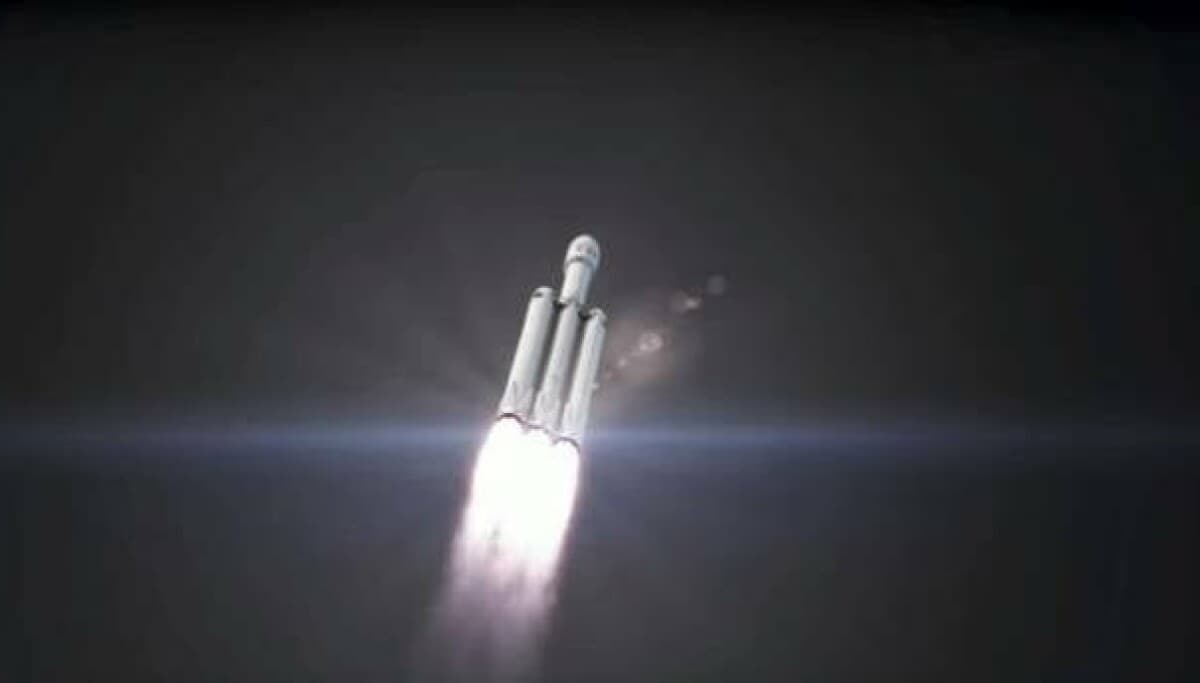
Image: The Register
NASA has switched the SunRISE mission from United Launch Alliance’s Vulcan Centaur to SpaceX’s Falcon Heavy after trouble on Vulcan’s most recent flight disrupted the original launch plan.
SunRISE was set to fly this summer as a rideshare backed by the US Space Force’s Space Systems Command. But in February, the fourth Vulcan Centaur flight suffered a booster anomaly during a US Space Force launch. The payload still reached orbit, though a burn-through of a Solid Rocket Booster nozzle turned the mission into a far rougher test than intended.
According to the report, the Space Force then paused all national security launches on Vulcan Centaur until the investigation was finished and corrective action was in place. That left SunRISE stranded just after completing final prelaunch testing at the start of 2026.
NASA said it “will share updated launch timing in the near future,” but the new schedule is still unclear. The report suggests 2027 is the likeliest target. There could still be two Falcon Heavy launches in the rest of 2026 — one for the Nancy Grace Roman Space Telescope and another for Astrobotic’s Griffin Mission One — while several US Space Force launches are planned for 2027, any of which could potentially carry SunRISE.
The Sun Radio Interferometer Space Experiment is made up of six small satellites designed to operate as a single radio telescope slightly above geosynchronous orbit. The spacecraft will fly about 6 miles (10 kilometers) apart, and each will deploy four radio antennas measuring 10 feet (2.5 meters). Construction of all six spacecraft was completed in 2023.
Recommended reading
US Clears First Mirror Satellite to Beam Sunlight at Night
NASA says the mission’s six SmallSats will function as one giant radio telescope, capturing data in unprecedented detail on the radio bursts linked to the Sun’s particle storms. For now, though, the mission’s next milestone is simply getting a confirmed launch slot.

Frontier Editor
Dan is our resident futurist, covering electric mobility, space exploration, and the smart home. He's interested in atoms just as much as bits. Whether it's a new battery chemistry, a reusable rocket, or a protocol that finally makes IoT devices talk to each other, Dan breaks down the engineering that pushes humanity forward.
via The Register