• 3 min read
Orchid turns chord organs into a $649 songwriting synth
Telepathic Instruments' Orchid revives the chord organ as a modern songwriting tool, with easy one-button harmony, retro sounds, and clear limits.
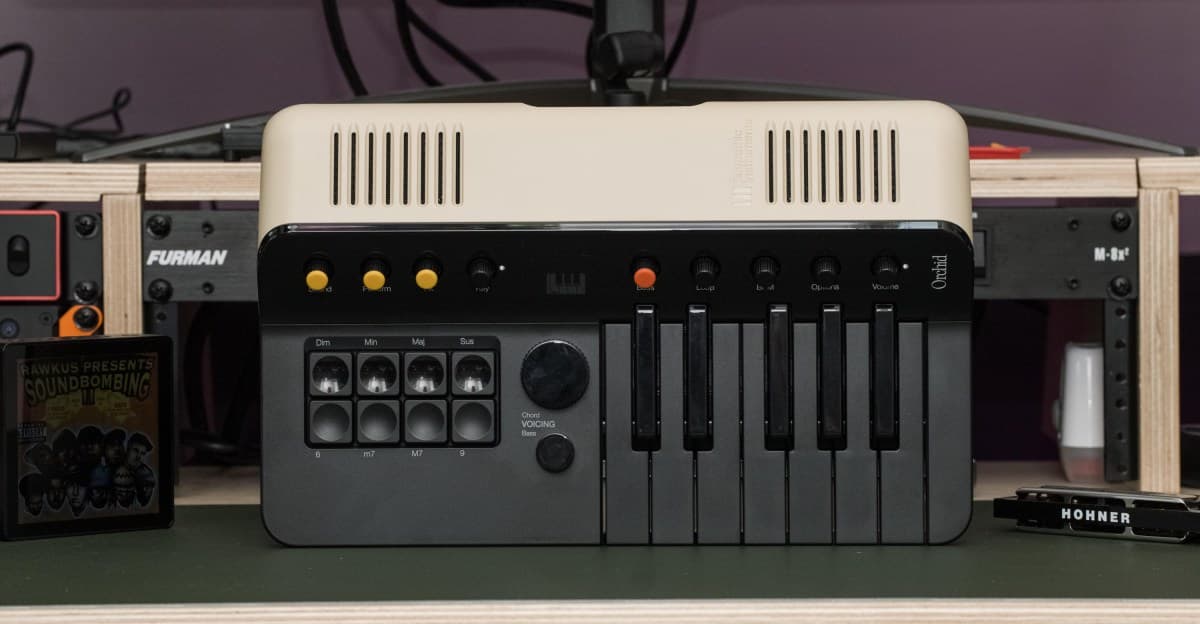
Image: The Verge
The Telepathic Instruments Orchid takes the old chord-organ idea and updates it for modern songwriting. Designed in collaboration with Kevin Parker of Tame Impala, it borrows the look and spirit of '60s home organs while replacing reeds and mechanical limits with a digital engine that can generate far more chords, voicings, and sounds. At $649, though, it is also far pricier than the vintage inspiration it echoes.
The Verge gave Orchid a score of 8, praising its retro charm, easy learning curve, solid variety of sounds, and the fact that it is simply fun. The main drawbacks: it is pricey for what it does, has only a one-octave keyboard, and requires extra software to deeply customize sounds.
For beginners or songwriters who do not want to wrestle with piano technique, Orchid’s appeal is obvious. A one-octave keyboard works with dedicated chord buttons for shapes like major, minor, diminished, major 7th, and more. Press a note and a chord type, and Orchid handles the rest. It can also lock you into a specific key, so almost anything you play stays musically coherent.
Sound engines and performance modes
Orchid goes beyond simple block chords. It includes strum, harp, and arpeggiator modes, plus 13 preset patterns. One standout mode, “slop,” adds small random timing variations to make chords feel less machine-perfect.
Recommended reading
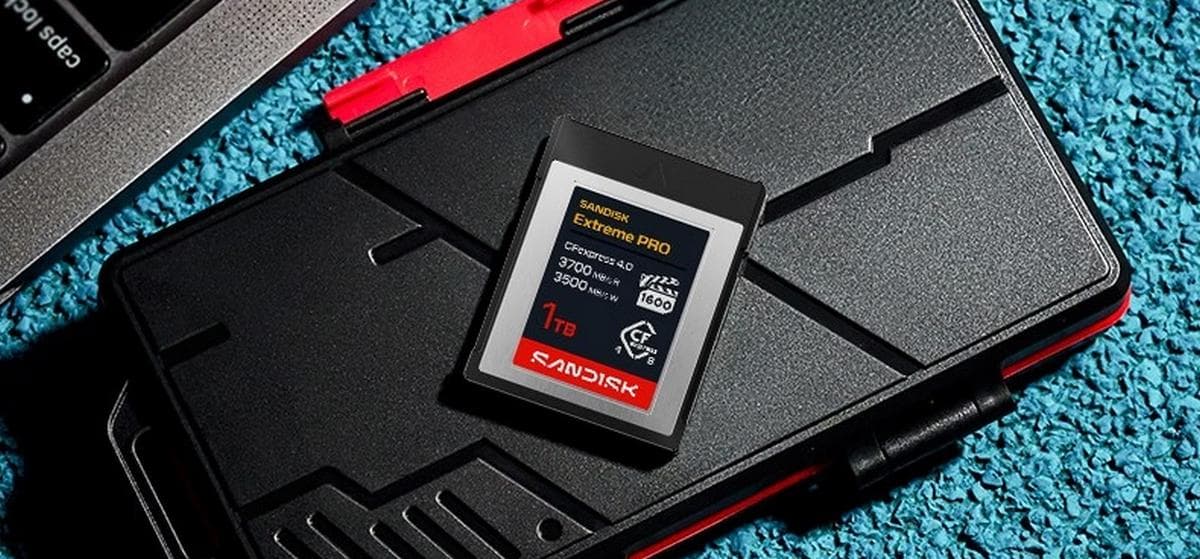
SanDisk’s 4TB CFexpress card costs $4,400
Inside are three synth engines:
- a virtual analog (VA) synth
- an FM synth for '80s-style e-pianos and bells
- a reed piano engine for Wurlitzer and gentler Rhodes-like tones
There are 70 presets built in, not counting the separate bass section. Orchid also works as a MIDI controller, so users can tap into its one-key chord workflow while triggering external sounds.
The dedicated bass section adds 12 sounds, including electric piano octaves, Moog-style synth bass, tuned 808s, and heavier drones. A built-in audio looper can record chord progressions, basslines, and melodies separately, which helps work around one of the instrument’s bigger constraints: you can’t play multiple keys at once.
Where Orchid falls short
That limitation shapes the whole experience. Despite its chord-focused design, Orchid does not let players perform full chords directly on the keyboard. Chord voicings come from the buttons, not from traditional keyboard playing. For musicians who already know piano harmony, that can feel restrictive.
Sound design is also limited on the device itself. Users can adjust basics like filter cutoff and effect intensity, but deeper patch creation requires Pistil, a separate virtual synth that costs $99, or $50 bundled with the Orchid. The Verge says Pistil can be buggy, with a UI that often freezes after patch transfers.
The built-in drum machine is also highly constrained: no custom beat programming, no sound editing. Even so, The Verge found it charming, noting its '70s rhythm-machine inspiration, particularly devices like the Korg Mini Pops.
There are more capable synths at $649, including instruments like the Korg Minilogue and Arturia MiniFreak. But The Verge’s take is that Orchid is not really aimed at patch designers or keyboard traditionalists. It is a focused, approachable tool for singer-songwriters who want an electronic writing companion without the baggage of a full synth workstation.

Computing Editor
Tomas lives in the terminal. He covers chips, laptops, and operating systems with a focus on performance and efficiency. He reads kernel changelogs the way other people read fiction, and he's always on the hunt for the perfect mechanical keyboard switch. If it processes data, Tomas has an opinion on it.
via The Verge