• 2 min read
PD-35 developer finds a cheaper engine fix
A small change to the PD engine family could cut lifecycle costs without redesigning the core engine, according to UEC-Aviadvigatel.
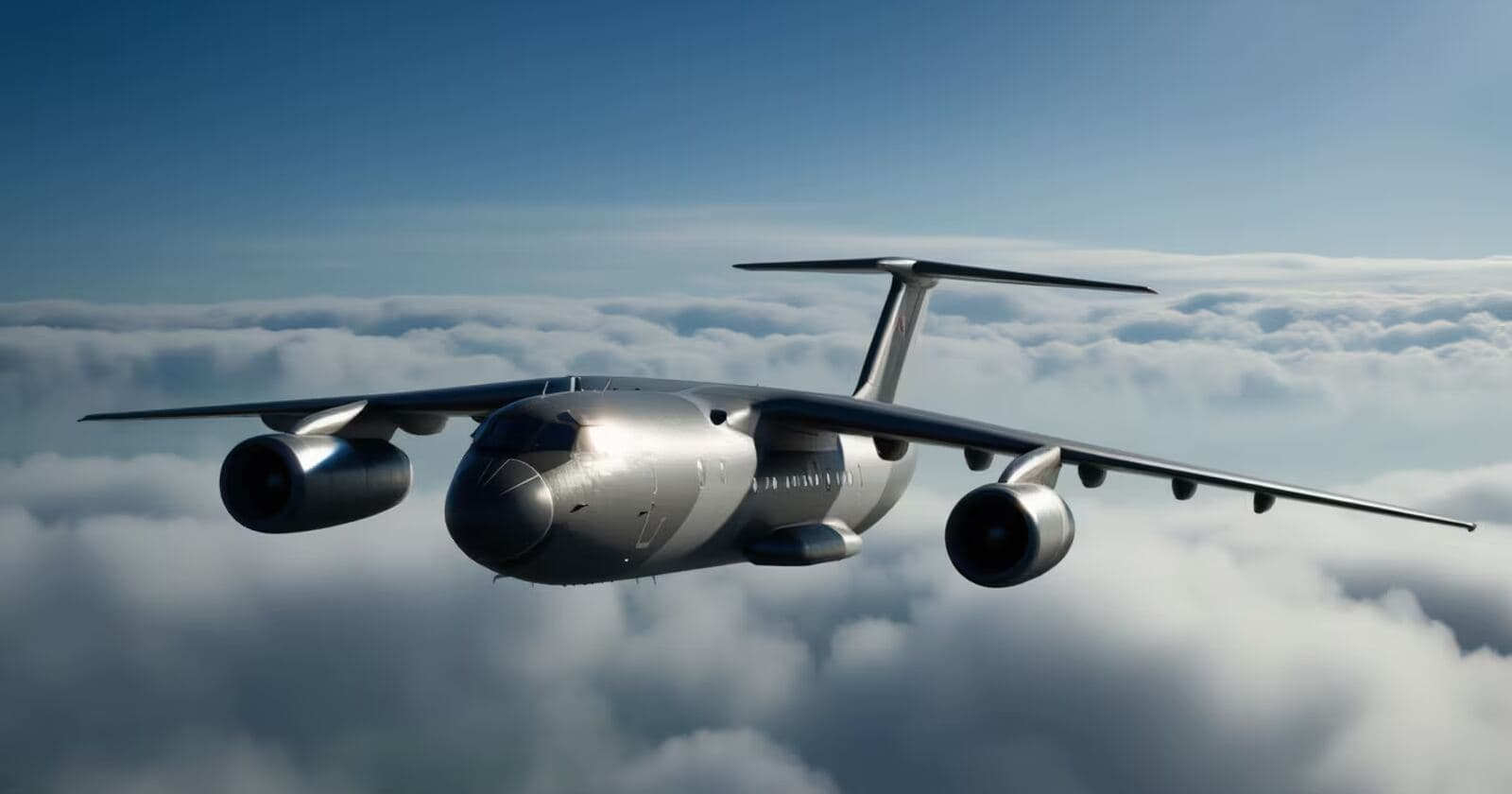
Image: ITzine
UEC-Aviadvigatel says it has found a way to reduce the lifecycle cost of aircraft engines in the PD family without altering the base design. The proposal came from Alexey Kamenskikh, head of the air-intake support team, and focuses on a single change: replacing the coating on the leading edge of the air intakes.
This is not a new engine program, but a refinement to one component. As the source notes, changes like this can meaningfully reduce operating costs, especially on a project like PD-35, where long-term economics depend not just on thrust and service life but also on maintenance expenses.
According to UEC, the PD-35 already uses more than 2,300 parts made with additive manufacturing. That suggests the developer is pursuing savings incrementally, through both production methods and design tweaks, rather than trying to solve the cost equation in one step.
Recommended reading
Rostec clears train glazing for 400 km/h runs
PD-35 remains one of the most ambitious projects in Russia’s aviation industry. Aviation expert Roman Gusarov said it is meant to become a flagship of domestic technology, even though the development effort has proved more complex than a space rocket. One challenge remains: there is still no ready aircraft platform for the engine, meaning it is being developed for future use rather than for an aircraft already in serial production.
That makes any lifecycle-cost reduction more significant. In December 2025, Rostec head Sergey Chemezov said the corporation expects to receive the type certificate for the PD-35 within two to three years.

Frontier Editor
Dan is our resident futurist, covering electric mobility, space exploration, and the smart home. He's interested in atoms just as much as bits. Whether it's a new battery chemistry, a reusable rocket, or a protocol that finally makes IoT devices talk to each other, Dan breaks down the engineering that pushes humanity forward.
via ITzine