• 2 min read
Rostec clears train glazing for 400 km/h runs
Rostec says side glazing for high-speed train driver cabs has been certified for locomotives traveling up to 400 km/h.
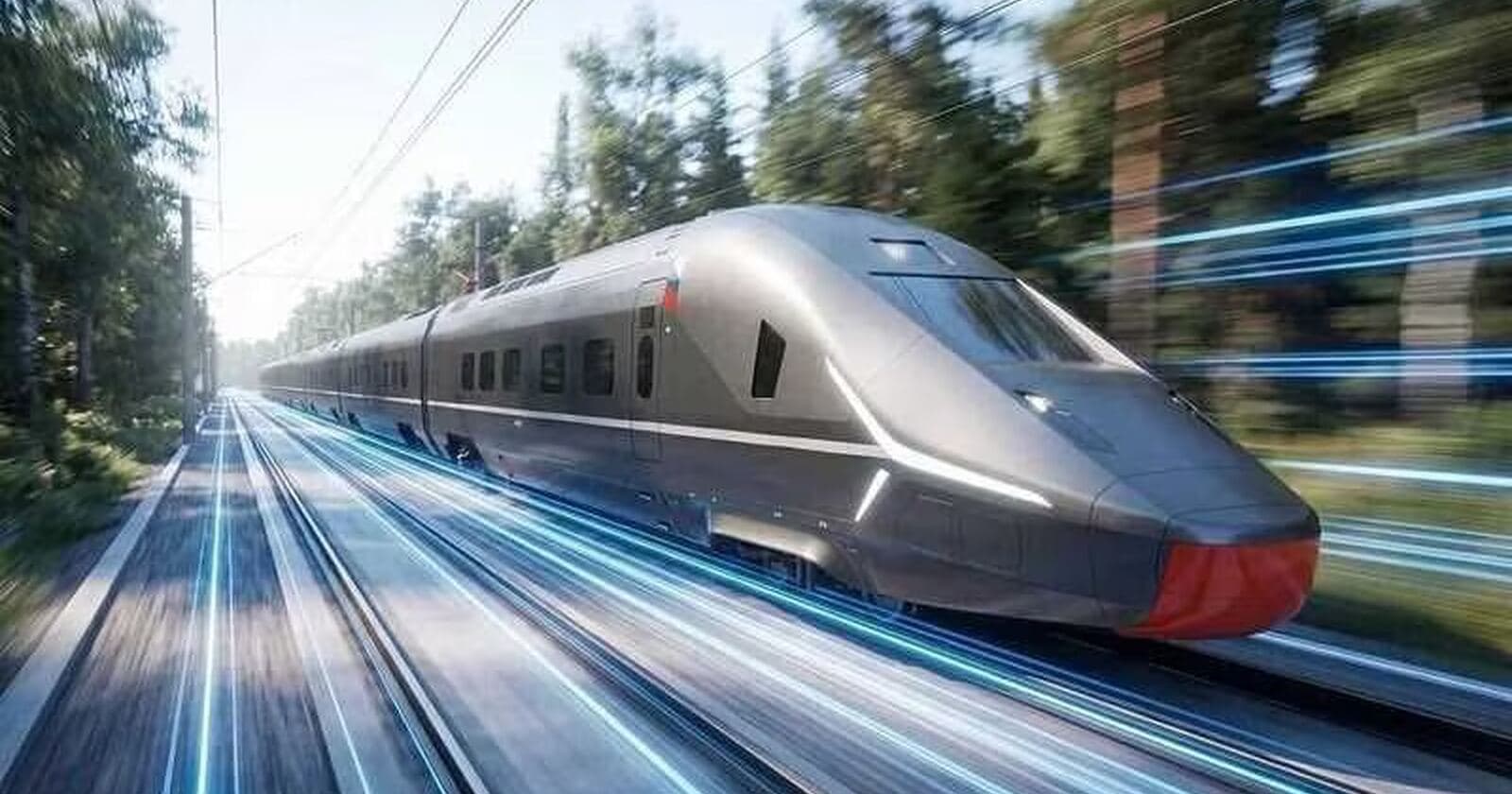
Image: ITzine
Rostec says it has certified side glazing for high-speed train driver cabs, a component designed by A. G. Romashin ONPP Tekhnologiya for locomotives operating at speeds of up to 400 km/h.
The certificate was issued by the Certification Register for Federal Railway Transport after product testing. According to Rostec, the tests confirmed compliance with the Customs Union technical regulation on the safety of high-speed rail transport.
The glazing package includes:
- thermally strengthened silicate glass
- an energy-saving surface coating
- reduced heat transfer inside the driver’s cab
- improved sound insulation for crews working at high speed
- confirmed strength and safety in testing
For rail manufacturers, glazing is not a minor detail. In high-speed train programs, glass, thermal insulation, and acoustics often require separate refinements even after the car body and running gear are largely complete.
Recommended reading
Tomsk engineers propose piston engine with longer stroke
The source places the development in an international context: China’s CRH and Fuxing trains operate at commercial speeds of up to 350 km/h, Japan’s Shinkansen remains a benchmark for stability and safety, and Siemens and Alstom impose strict requirements on glazing, noise, and heat resistance.
For Russian high-speed rail projects, the certification means at least one element of a future trainset has now passed formal review. What comes next will depend on the rail lines that get built and whether there is a production order for the serial trains that would actually use these glazing units.

Frontier Editor
Dan is our resident futurist, covering electric mobility, space exploration, and the smart home. He's interested in atoms just as much as bits. Whether it's a new battery chemistry, a reusable rocket, or a protocol that finally makes IoT devices talk to each other, Dan breaks down the engineering that pushes humanity forward.
via ITzine