• 2 min read
Samsung hints at One UI built around AI cards
Samsung’s Fluid AI Design System imagines One UI replacing app-first navigation with adaptive cards that pull context from across the phone.
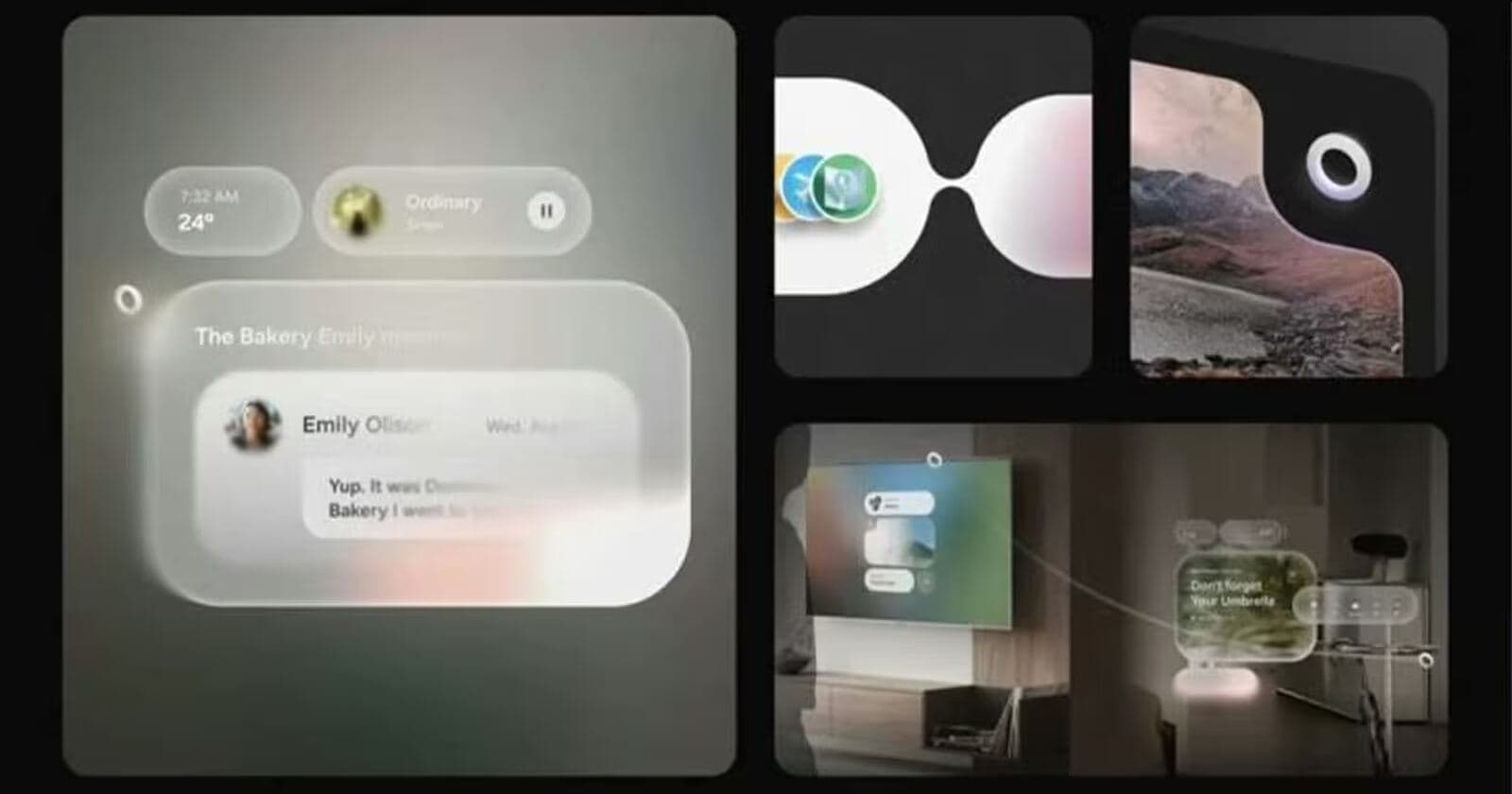
Image: gizmochina
Samsung has unveiled Fluid AI Design System, a concept for a smartphone interface where AI no longer sits behind a separate button, but instead shapes the entire UI. The project won the Red Dot Design Award 2026 and appears to offer a fairly direct hint at where future versions of One UI could go.
Fluid AI is not something users can download today. For now, it exists only as a design concept rather than a shipping firmware update. Still, the idea goes well beyond a typical visual refresh: instead of the usual flow of opening an app, finding a screen, and tapping through menus, Samsung is proposing floating interface elements that adapt to the situation.
At the center of the concept are information cards rather than fixed app screens. These cards can expand, shrink, rearrange themselves, and combine data from multiple sources in one place. In Samsung’s example, a meeting reminder does more than show the time — it also pulls in calendar details, the route, and relevant contacts. Even picking a date could become a dedicated planning assistant if the scenario calls for it.
Recommended reading
Oppo Reno 16 adds IP69K and a bigger battery
The concept looks like a continuation of Samsung’s broader Galaxy AI push. The company began aggressively adding AI features to its phones with the Galaxy S24 lineup in 2024, then expanded that toolset with call translation, generative photo editing, and on-screen search. The shift here is larger: not just more AI features, but an attempt to turn the interface itself into a contextual layer that adapts to the user.
Samsung is not alone in moving this way. Apple introduced Apple Intelligence in 2024 with an emphasis on personal context inside the system, while Google has long pushed Android toward more predictive experiences through At a Glance, Gemini, and system panels. Samsung’s difference is that it presents the idea as a distinct visual philosophy, where familiar apps are no longer the center of the experience, but just one source of data.
That approach may take time to reach real devices. Concepts like this are often scaled back because of performance limits, third-party app support, and the need for a consistent interface across devices at different price tiers. But if Samsung brings even part of Fluid AI into One UI 10 or later, the competition may shift from whose AI is smartest to whose interface makes users jump between apps less often.

Gadgets Editor
Eli is obsessed with the tangible future. He reviews phones, wearables, and everything with a battery. Known for his rigorous testing protocols and unabashed teardowns, Eli has broken more review units than he cares to admit, all in the name of discovering the truth about durability and repairability.
via ITzine