• 2 min read
SpaceX GigaBay in Florida to increase Starship production to 1,000 rockets per year
SpaceX is moving full steam ahead with its colossal GigaBay assembly facility in Florida, designed to massively scale up the production and servicing of its Starship rockets. When completed, this enormous building will s
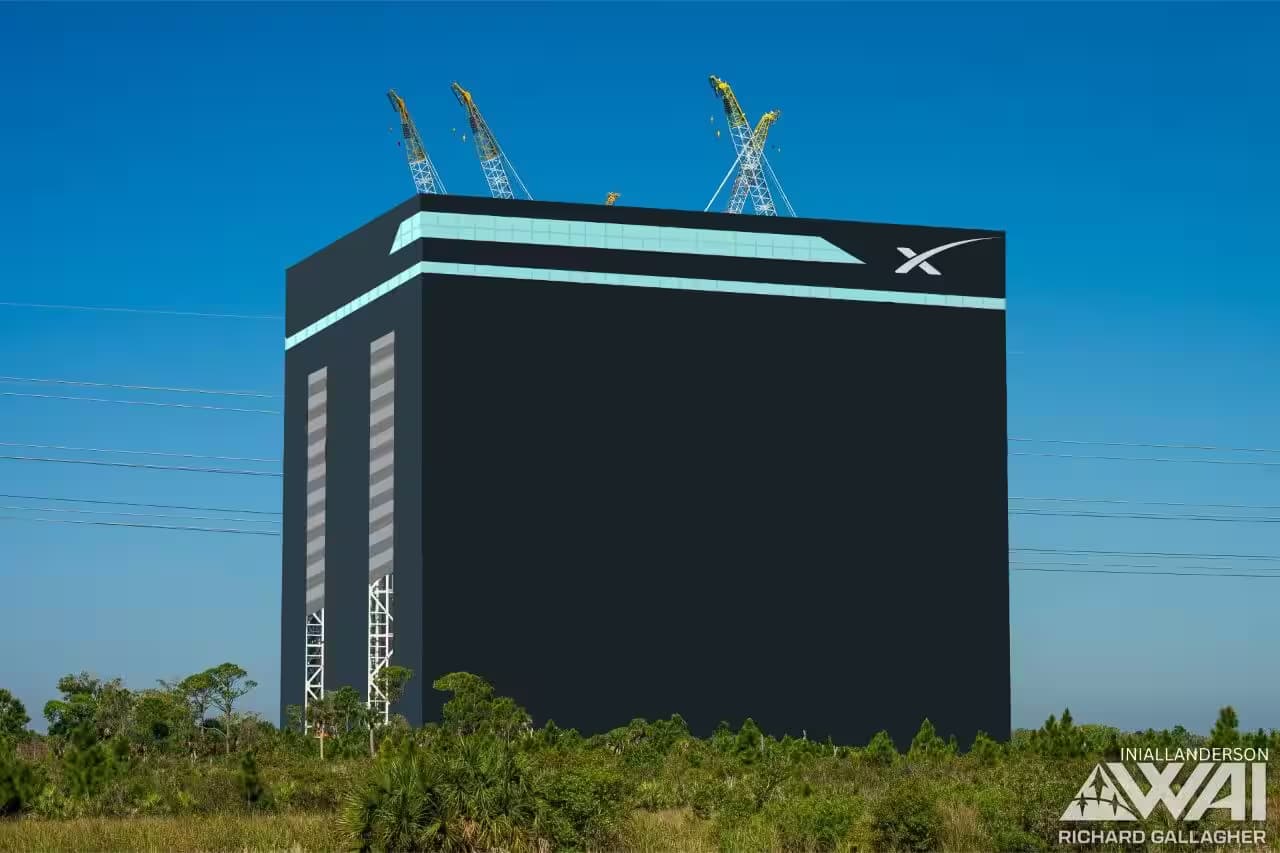
Image: ixbt.com
SpaceX is moving full steam ahead with its colossal GigaBay assembly facility in Florida, designed to massively scale up the production and servicing of its Starship rockets. When completed, this enormous building will stand about 115 meters tall-just slightly shorter than its Texas counterpart-but it will play an equally vital role in SpaceX’s ambitious Starship rocket manufacturing plans.
According to official and speculative sources, the GigaBay in Florida is expected to handle an unprecedented volume of production, aiming to assemble up to 1,000 Starship vehicles annually. This facility is part of a broader strategy where similar GigaBay complexes will be constructed-in Texas, Florida, and potentially two more states-to create an integrated network capable of assembling and servicing 96 rockets simultaneously.
Elon Musk has described the GigaBay project as potentially the largest building on Earth by some measures, underlining the scale of SpaceX’s next phase. The facility will drastically improve production throughput, reducing bottlenecks seen in earlier Starship manufacturing cycles. This aligns with Musk’s vision of accelerating humanity’s presence in space by producing the Starship fleet at an industrial scale.
Recommended reading
Musk-Altman clash exposes limits of AI data centers in orbit
The Florida GigaBay is a key part of SpaceX’s broader push to diversify and multiply its Starship manufacturing capabilities beyond Texas, tapping into additional regional resources and labor pools. This distributed production model mirrors trends in aerospace manufacturing where scalability and redundancy become essential to meet growing launch demand-not only for Starship but also for other related vehicles.

Frontier Editor
Dan is our resident futurist, covering electric mobility, space exploration, and the smart home. He's interested in atoms just as much as bits. Whether it's a new battery chemistry, a reusable rocket, or a protocol that finally makes IoT devices talk to each other, Dan breaks down the engineering that pushes humanity forward.
via ixbt.com