• 2 min read
SpaceX assembles Starship S41 with Mechazilla capture capability, April launch planned
SpaceX has reached a major assembly milestone for its Starship S41 rocket, joining the nose cone with the cargo section inside the company’s Starfactory production facility. This integration moves the vehicle closer to a
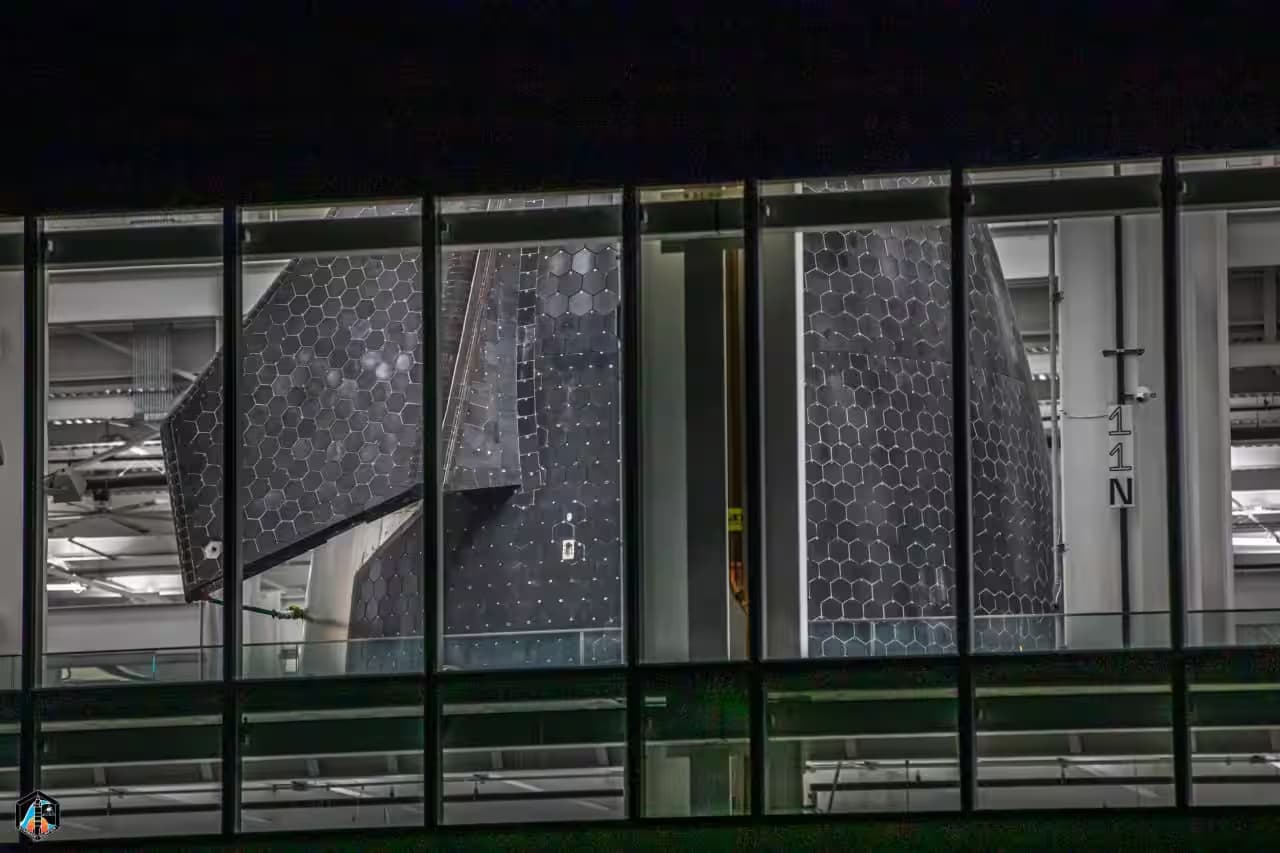
SpaceX has reached a major assembly milestone for its Starship S41 rocket, joining the nose cone with the cargo section inside the company’s Starfactory production facility. This integration moves the vehicle closer to a fully unified structure, marking a key step toward its rollout and testing phases. The next phase involves moving S41 to Mega Bay 2, where the final major assembly work will begin following the upcoming Flight 12 test flight.
During this assembly stage, the Starship will be outfitted with its final systems and prepared for integration with its Super Heavy booster. Elon Musk has indicated that S41 could be the first Starship to reach orbit in this new generation of rockets and, importantly, the first to be caught on return by SpaceX’s towering robotic catch system known as Mechazilla.
Recommended reading
Musk-Altman clash exposes limits of AI data centers in orbit
Mechazilla has previously caught only the Super Heavy boosters, so adapting it to capture the Starship itself represents a significant evolution in SpaceX’s reusable launch architecture. This capability is expected to dramatically reduce turnaround times by recovering the spacecraft safely without needing ocean splashdowns.
The next Starship launch is planned for April, serving as an important test for both the vehicle’s orbital capabilities and Mechazilla’s expanded capture functionality. If successful, this could accelerate SpaceX’s push toward rapid reusability, reinforcing its lead in commercial spaceflight.

Frontier Editor
Dan is our resident futurist, covering electric mobility, space exploration, and the smart home. He's interested in atoms just as much as bits. Whether it's a new battery chemistry, a reusable rocket, or a protocol that finally makes IoT devices talk to each other, Dan breaks down the engineering that pushes humanity forward.