• 2 min read
US clears seawater uranium extraction for industry
The US Department of Energy has licensed SuperCritical Materials to commercialize seawater uranium extraction in the US, moving a long-tested idea toward industrial use.
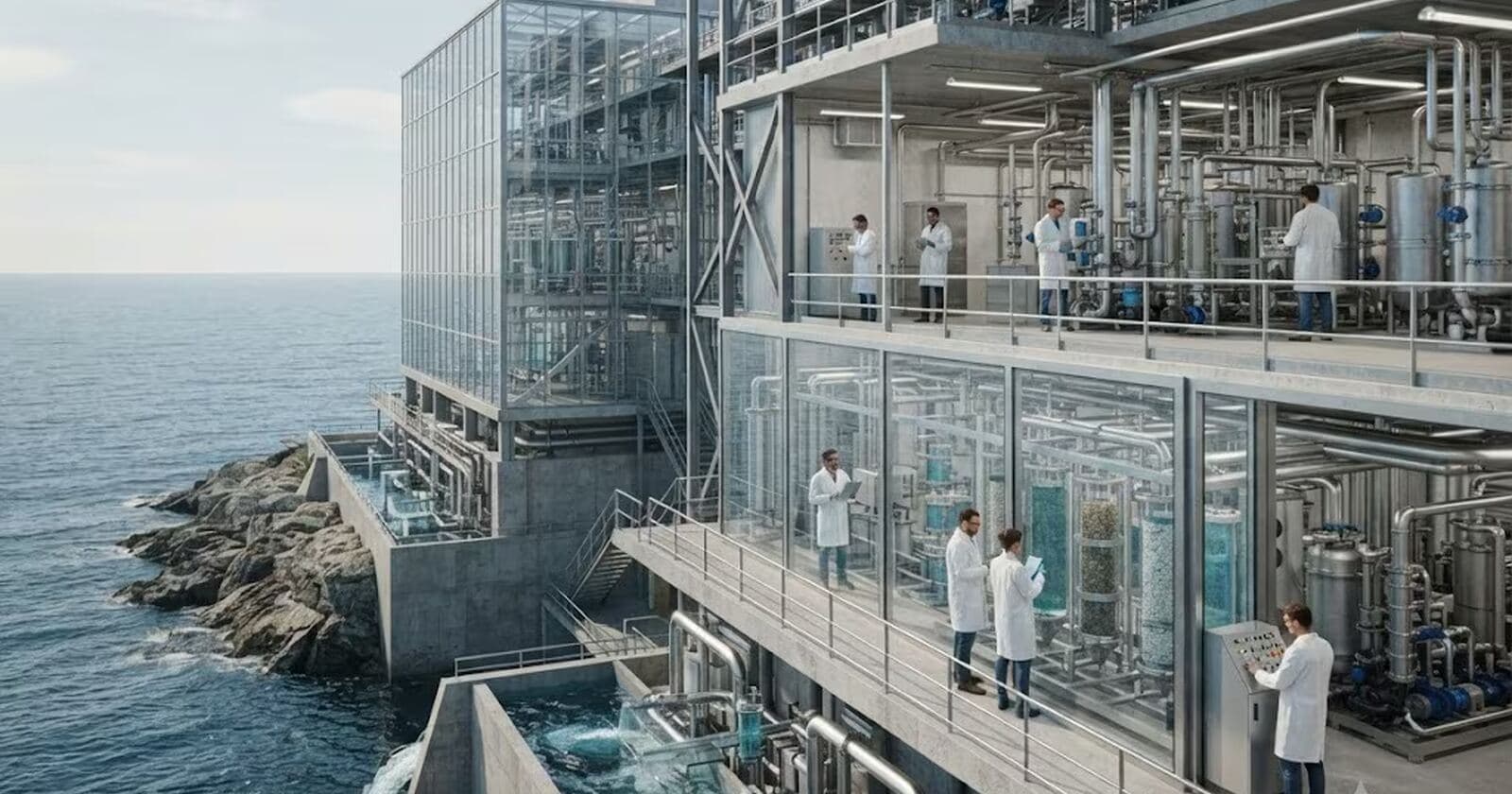
Image: ITzine
The US Department of Energy has granted SuperCritical Materials a license to commercially use seawater uranium extraction technology, giving a laboratory concept a path into the nuclear fuel supply chain. The Austin company can now produce and deploy the system in the US, and later hopes to expand it to allied countries.
The technology was developed by specialists at the Pacific Northwest National Laboratory with support from the DOE’s Office of Nuclear Energy. It relies on adsorbent materials that bind uranium dissolved in seawater.
The timing matters. According to the source, US demand for uranium is rising not only because of existing nuclear power plants. Power use from data centers, AI, and energy-intensive manufacturing is pushing Washington to accelerate nuclear generation, while new reactors still need reliable access to raw fuel, not just engineering capacity.
SuperCritical Materials estimates that the ocean contains about 4.5 billion tons of dissolved uranium. That is more than confirmed land-based reserves, which is why seawater has long been seen as an attractive but technically difficult source.
Why seawater uranium has stayed in the lab
The idea is not new. Researchers have discussed extracting uranium from the ocean for decades because the resource base is vast and does not require mines or open pits.

Recommended reading
US Clears First Mirror Satellite to Beam Sunlight at Night
The problem has always been cost. Uranium concentrations in seawater are extremely low, so capture materials must work for long periods, remain selective, and avoid expensive regeneration. The marine environment also wears down equipment quickly and increases maintenance costs.
That is why many projects never moved beyond testing. Proving the chemistry in a lab is one step; building an economical industrial process is another. The real hurdles are usually materials, logistics, safety, maintenance, and the final cost of reactor fuel.
What the DOE license changes
The DOE license is not proof that the economics work. It is, however, formal permission to move the technology from the lab into an industrial setting.
For the US nuclear sector, that fits a broader push to strengthen domestic fuel production, from uranium mining to enrichment and fuel assembly manufacturing, rather than relying on external suppliers for strategic fuel.
SuperCritical Materials is also aiming beyond uranium. If the process reaches a competitive cost, seawater could become a source for extracting other valuable elements as well.
The key question now is simple: whether the technology can extract uranium cheaply, consistently, and at large scale. That will only be clear after industrial testing produces real numbers on cost, output, and performance against conventional mining.

Frontier Editor
Dan is our resident futurist, covering electric mobility, space exploration, and the smart home. He's interested in atoms just as much as bits. Whether it's a new battery chemistry, a reusable rocket, or a protocol that finally makes IoT devices talk to each other, Dan breaks down the engineering that pushes humanity forward.
via ITzine