• 3 min read
Lucid Gravity Touring nails the basics at $82,000
Lucid’s entry Gravity Touring keeps the SUV’s standout space, charging, and refinement while starting around $82,000 in the US.
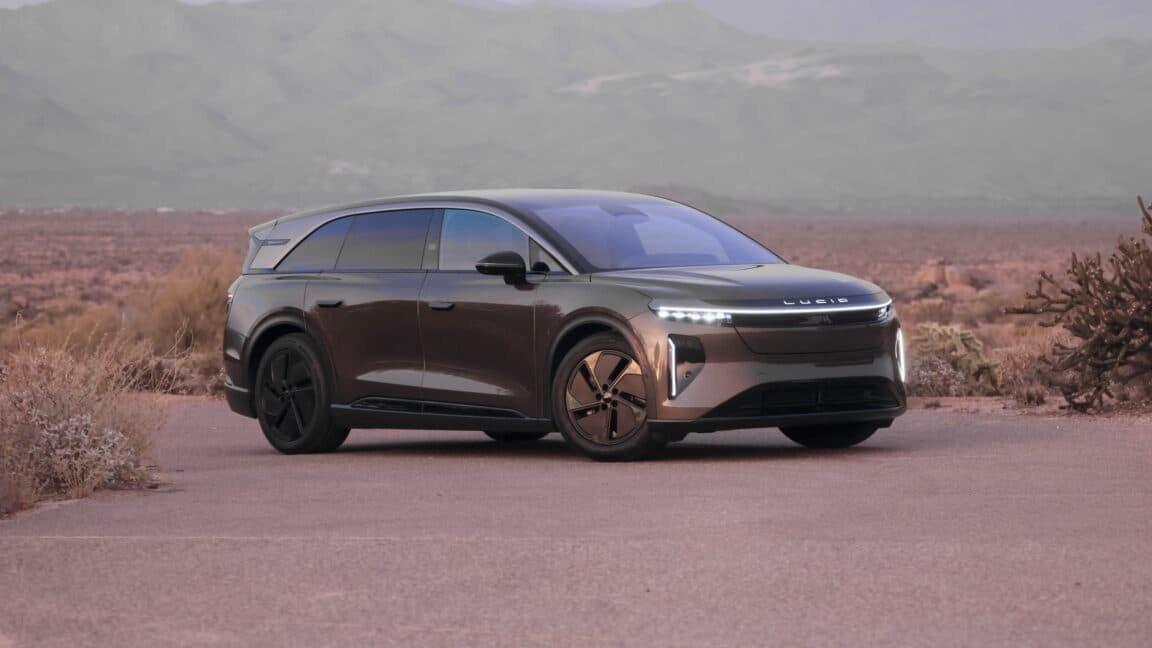
Image: Ars Technica
Lucid’s 2026 Gravity Touring makes a strong case that the cheaper version is the one most buyers should want. It starts at about $82,000 in the US including destination, well below the Grand Touring at over $100,000, yet Ars Technica found little real-world sacrifice in power, range, or usability.
The Touring uses a 16-module, 89-kWh battery pack and makes 560 hp (418 kW), versus the Grand Touring’s 22-module, 123-kWh pack and 828 hp (617 kW). EPA range is 337 miles (542 km) for the Touring and 450 miles (742 km) for the Grand Touring.
In Ars' testing, a full charge delivered 320 miles (514 km) in mixed suburban and highway driving. Charging was a highlight: the SUV supports NACS, plug-and-charge (ISO 15118), and reached 95 percent from 15 percent in 31 minutes during one session. Lucid also says it can add up to 200 miles (321 km) in 11 minutes on a 400 kWh DC fast charger. Efficiency came in at 3.3 miles/kWh (18.8 kWh/100 km) in suburban and city driving, and 3.8 miles/kWh (16.3 kWh/100 km) on freeways.
Performance, ride, and interior space
With one motor up front rated at 147 hp (110 kW) and a rear motor making 413 hp (308 kW), the Gravity Touring produces 811 lb-ft (1,100 Nm) of torque. Lucid claims 0–60 mph in 4.0 seconds, and Ars says it feels far quicker than most SUVs even without the Grand Touring’s headline output.
The review especially praised the SUV’s polish. Optional hardware on the test car included rear-wheel steering and three-chamber air suspension as part of the Dynamic Handling package, helping the roughly 5,200-pound (2,360 kg) SUV feel more agile than expected. Braking hardware includes six-piston Brembo-built front calipers with 15-inch rotors.
Recommended reading
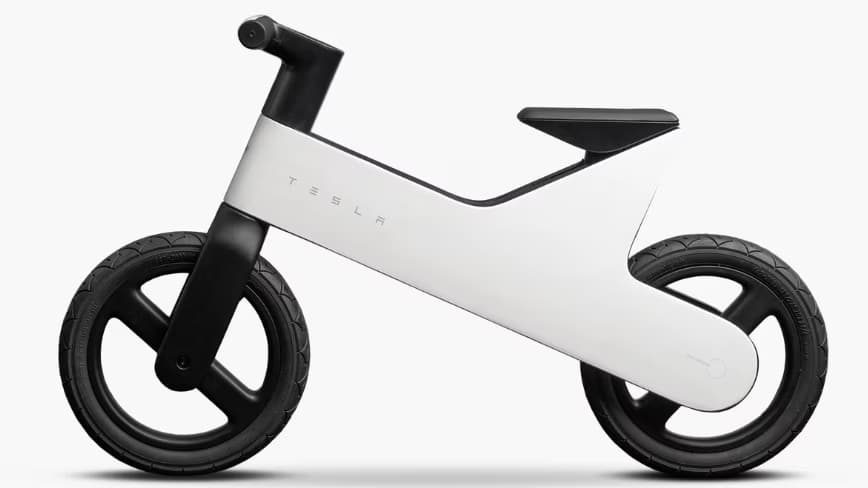
Tesla’s $225 toddler bike sells out fast
Inside, the Gravity leans hard into packaging. Front passengers get nearly 41 inches (1,041 mm) of legroom, second-row riders get 42.6 inches (1,082 mm), and Ars says the third row can genuinely fit adults. Cargo space measures 56 cubic feet behind the second row and 112 cubic feet (3,171 L) with seats folded and slid forward, beating the Ford Expedition’s 108.5 cubic feet (3,072 L) with all rows folded.
The cabin is centered around Lucid’s Clearview Cockpit, pairing a 34-inch curved 6K OLED display with a 12.6-inch central touchscreen. The optional 800 W Surreal Sound Pro setup with 22 speakers and Dolby Atmos also drew praise.
Not everything landed. Ars called out some interior trim and cargo-area pieces as below the standard suggested by the design and price, and noted awkward operation for the third-row seats. The tested vehicle, loaded with options including Dream Drive 2.0 Pro, Nappa leather, massaging and ventilated front seats, third-row seating, and Supernova Bronze metallic paint, came to $107,200. Even so, Ars' verdict was that the Touring keeps nearly everything that makes the Gravity compelling while undercutting the flagship by about $20,000.

Frontier Editor
Dan is our resident futurist, covering electric mobility, space exploration, and the smart home. He's interested in atoms just as much as bits. Whether it's a new battery chemistry, a reusable rocket, or a protocol that finally makes IoT devices talk to each other, Dan breaks down the engineering that pushes humanity forward.
via Ars Technica