• 2 min read
New Ceramic Process Cuts Defects for Oil Industry Parts
Researchers at UNIICM say a new silicon-carbide ceramic process simplifies production and reduces defects in parts built for extreme oil industry conditions.
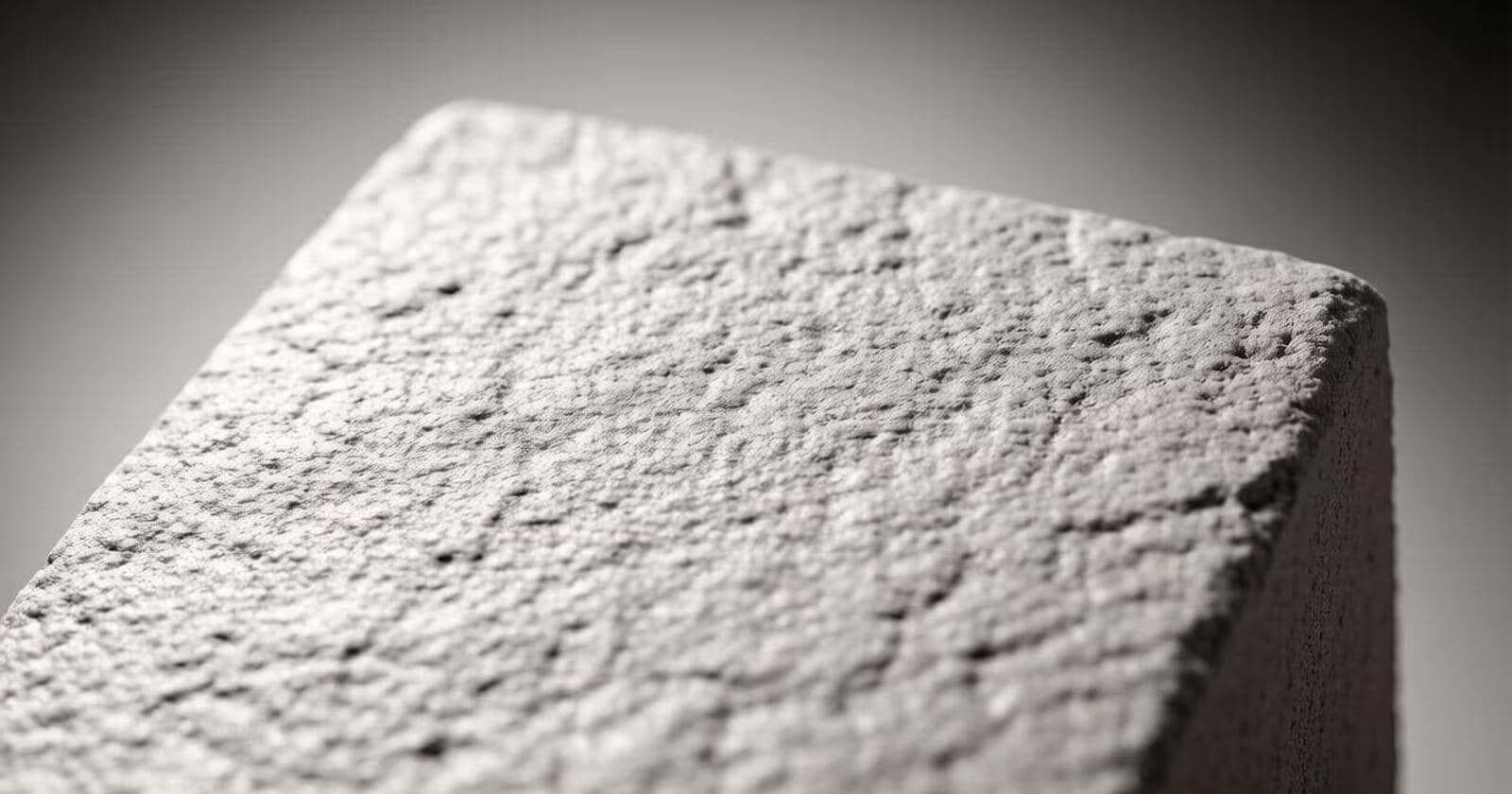
Image: ITzine
Researchers at the Ural Research Institute of Composite Materials (UNIICM) have proposed a new way to manufacture ultra-strong silicon carbide ceramics for oil extraction and oil refining equipment.
The parts are meant for harsh operating conditions, where they must withstand high temperatures, high pressure, and aggressive chemical environments that quickly wear out conventional materials. According to the report, the new production scheme is simpler than standard methods: a preform is first shaped from a mixture, then fired, and finally impregnated with a melt at about 1800 °C.
The key change comes in machining. UNIICM says mechanical processing can be done before the final firing rather than after it, reducing the risk of defects and making it easier to produce parts with more complex shapes.
That matters in the oil sector, where ceramics compete with cermets and other composites in wear-critical assemblies. Demand for durable materials is rising as extraction and refining become more complex, especially in environments with heavier loads and more aggressive media.

Recommended reading
China clears first commercial brain implant for paralysis
The institute also says the process could be adapted for composites with added titanium, zirconium, or hafnium carbides and borides, potentially extending its use beyond oil and gas. For now, the clearest near-term application appears to be in equipment where downtime is especially expensive.

Frontier Editor
Dan is our resident futurist, covering electric mobility, space exploration, and the smart home. He's interested in atoms just as much as bits. Whether it's a new battery chemistry, a reusable rocket, or a protocol that finally makes IoT devices talk to each other, Dan breaks down the engineering that pushes humanity forward.
via ITzine